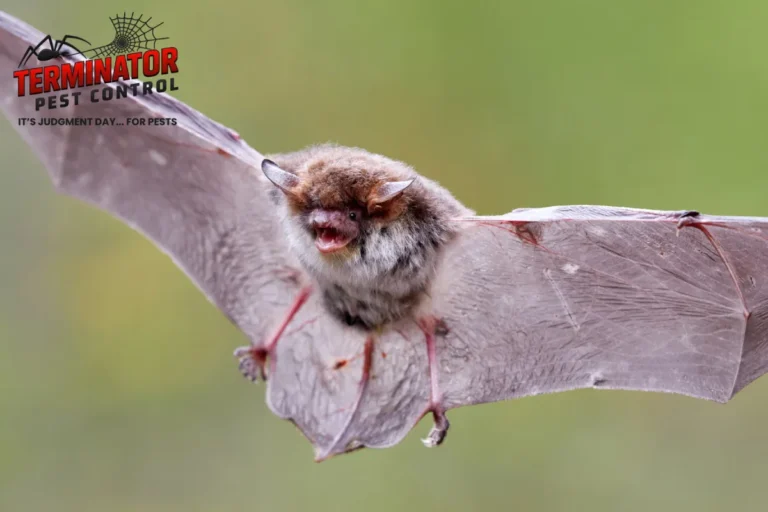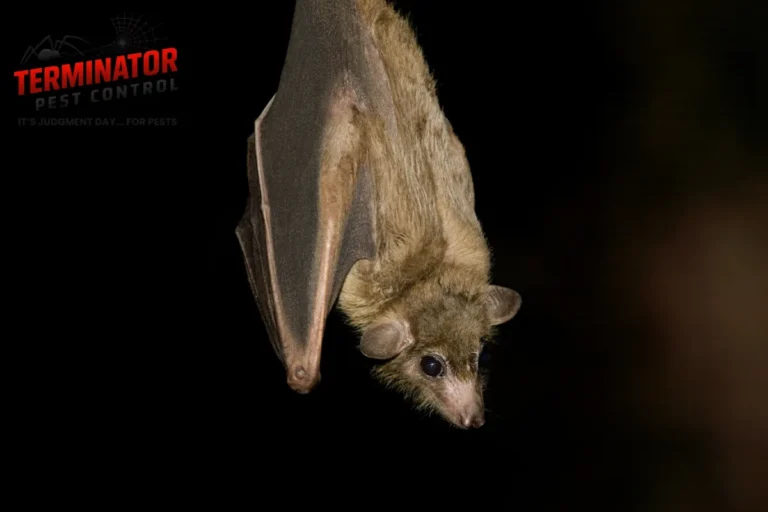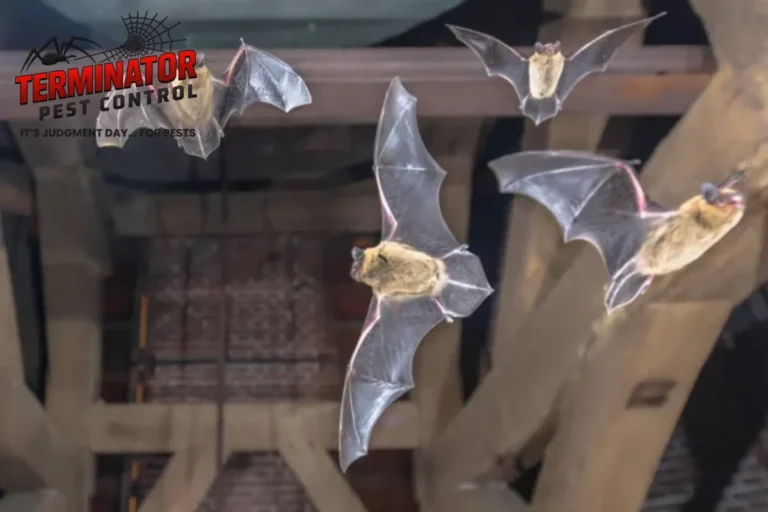

Bat removal professionals locate all entry points around a home by conducting architectural audits that look for physical indicators such as dark grease stains, guano accumulations, and localized airflow currents. Technicians combine these physical tracking clues with advanced diagnostic tools such as high-intensity gap gauges, ultraviolet inspection lights, and evening acoustic watch protocols to reveal gaps as small as 3/8 inch. By evaluating a house from the foundation to the highest roof peak, specialists can uncover every microscopic structural vulnerability allowing to enter.
The Inspection Playbook: Tracing the Microscopic Clues
Bats leave a distinct biological trail wherever they pass through an architectural boundary. Wildlife specialists isolate these indicators to map out the exact path of a colony. Because flying mammals return to the same roost year after year, finding these footprints is the only way to build a reliable solution.
Rub Marks and Sebum Stains
Bat fur contains natural oils called sebum. As dozens squeeze through a tight construction gap night after night, this oil rubs off on raw wood, brick, or aluminum siding. This friction leaves a greasy, dark brown, or black smudge around the edges of the opening, similar to a dirty thumbprint, which signals an active primary highway.
Micro-Guano Splatters
Bats routinely drop waste right before landing or launching from a structure. Finding tiny, dark, crumbly droppings stuck to vertical siding, window sills, or accumulated directly beneath a roofline peak points directly to an open structural gap directly above.
Thermal and Air Currents
Bats seek out warm roosting spots and follow cues in interior air currents. Specialized inspection steps involve looking for areas where hot attic air escapes through external construction joints, which attract seeking entry. If a house has a drafty roofline, they will locate that moving air with incredible precision.
Diagnostic Checklists: Hidden Architecture Structural Vulnerabilities
Professionals systematically audit a building from the foundation to the highest ridge cap, categorized into primary structural hazard zones.
Roofline and Fascia Inspection Matrix
- The Ridge Cap Border: Technicians check the plastic or metal ventilation caps running across the roof peak. Warped or unsealed end plugs are the primary entry points for attic colonies.
- Fascia and Soffit Intersections: Gaps behind gutters where the roof deck meets the horizontal fascia board are thoroughly measured.
- Gable End Louvers: Side vents are checked to ensure protective screens haven’t rusted away or detached from the structural frame.
- Chimney Flashing Saddles: The mortar and metal flashing seams surrounding chimneys are audited for gaps that may have settled.
Structural Vulnerability Comparison
| Architectural Zone | Average Opening Size | Primary Diagnostic Tracking Clue |
| Ridge Vent End Plugs | 1/2 inch to 1 inch | Thick sebum stains and interior light penetration. |
| Roof-Fascia Construction Gaps | 3/8 inch to 3 feet | Lineal guano trails caught on lower gutter lines. |
| Soffit Return Pockets | 1 inch to 2 inches | Upward scratch marks and localized urine etching. |
| Utility Pipe Chases | Varying dimensions | Displaced insulation fibers and direct draft currents. |
During a recent home inspection for a homeowner who suspected an infestation, our field team discovered multiple structural gaps along a roofline. While the owner had tried using simple patch fixes over the years, they kept returning through unsealed corner joints. By completing a detailed evaluation, we mapped out every single opening, allowing us to build a comprehensive plan for Middleton bat removal that permanently resolved the problem.
Debunking the Myth: “Using a Bright Flashlight in the Attic Is Enough to Find the Holes”
The most common misconception in home protection is that you can locate a colony’s entry points simply by going into the attic during midday and looking around with a bright flashlight. Homeowners often assume that if they don’t see light streaming through the roof boards, the space is completely sealed.
The Reality: The vast majority of bat entry points enter through complex, overlapping architectural joints that completely block straight light paths.
A gap between a roof deck and a fascia board often forms a dog-leg angle or a zig-zag corridor through the building materials. A flashlight beam shining on the front face of these boards will not reveal a deep gap. Furthermore, bats regularly roost deep within wall cavities or beneath structural insulation, completely out of sight during a standard visual attic sweep. Relying solely on a flashlight leaves secondary entry paths completely hidden, potentially leading to a failed exclusion attempt.
Applying Our Proprietary Exclusion Protocol to Solve This
To guarantee that no micro-gap is left exposed to returning colonies, our team relies on a specialized, multi-stage protocol. We combine field experience with advanced building diagnostics to locate every vulnerability. At Terminator Pest Control, we focus on delivering peace of mind by providing efficient, reliable, and customer-centered pest control solutions.
Our specialized framework relies on a meticulous, multi-step process to ensure total colony relocation and permanent property protection:
1. Detailed Inspection
We do not guess where bats are entering. Our team performs an exhaustive, inch-by-inch structural detailed inspection of the roof architecture, utilizing high-intensity gap gauges and ultraviolet tracking lights to identify active and potential entry paths. This allows us to locate entry paths that are completely invisible from the ground.
2. Humane Exclusion
We deploy customized, non-lethal, humane one-way devices over the core active entry zones. These specialized cones or mesh curtains allow mammals to exit naturally at night to feed, but completely block their entry into the building when they return. This humane exclusion process ensures the animals remain unharmed as they leave your home permanently.
3. Sealing and Prevention
While the one-way valves drain the colony from the structure, we permanently seal and prevent leaks across every secondary gap, crack, and construction joint using premium, weather-resistant materials. Our seasonal scheduling aligns strictly with Wisconsin DNR regulations and humane wildlife standards to protect wildlife lifecycles. This step ensures that returning bats cannot find a single alternative way back into your living space.
4. Cleanup and Restoration
Once visual tracking and acoustic checks confirm the colony has fully moved out, we remove the temporary devices and complete the final seal. Our team then steps in with full cleanup and restoration services. We safely vacuum away toxic guano, apply natural enzymatic sanitizers to eliminate dangerous fungal spores, and restore damaged attic insulation to its original thermal specifications. If you are noticing them near your roof vents at dusk and require professional Middleton, WI bat removal, our structured process ensures your property is treated safely and thoroughly.
Technical Specifications & Inspection Glossary
Sebum Smudge: A dark, oily residue left behind on building materials by natural oils in fur, indicating a heavily used entry or exit point.
Gap Gauge: A specialized precision measuring tool used by wildlife inspectors to check if structural clearances meet the three-eighths-inch threshold required for entry.
Acoustic Night Watch: A diagnostic protocol where inspectors monitor a roofline at dusk using electronic detectors to record echolocation clicks as bats emerge.
Dog-Leg Construction Joint: An overlapping architectural design where building materials meet at an angle, often masking a hidden opening from direct line-of-sight view.
Frequently Asked Questions
Can bats enter a home through a closed window or door?
No. Bats cannot open latch systems or force their way through solid materials. They can only enter if a window screen is torn, if a door is left propped open, or if there is an unsealed construction gap nearby.
What does it mean if I find guano inside my attic but see no live bats?
This usually indicates a seasonal roost. Bats may have used the space during the spring or summer and moved to a different hibernation site for the winter, leaving behind their biological scent markers and droppings.
How do professionals know if a gap is an active entry point versus an old one?
Active entry points have fresh, shiny guano beneath, clear rub marks from body oils, and no cobwebs inside the opening. Old or abandoned gaps are typically dry, dusty, and filled with spiderwebs.
What happens if you miss an entry point during a bat exclusion?
If even a single opening is left unsealed, bats will use their powerful sense of smell to locate that alternative path. The colony will simply bypass the one-way doors and find their way back into your attic space through the missed gap.
Secure Your Roofline with Certainty
Missing just one tiny gap during a wildlife extraction can cause an entire colony to return to your attic space within a single season. Finding every entry point requires a deep understanding of animal biology, construction architecture, and advanced tracking techniques. Let our data-driven systems permanently secure your home structure against wildlife invasions.
Experts Dedicated to Your Comfort
Our brand is professional, trustworthy, and family-oriented. We aim to be seen as industry experts, dedicated to ensuring the safety and comfort of homes and businesses. We believe in integrity, customer satisfaction, and eco-friendly solutions. Our core principles include offering tailored, high-quality services that not only eliminate pests but also ensure long-term prevention. We prioritize professionalism, transparency, and consistency in our service delivery, treating every job with care and attention to detail. If you are facing a recurring problem and need a dependable specialist for bat exclusion in Middleton, WI, our team is equipped to deliver lasting results with personalized care.
We want our audience to feel secure and reassured. Our goal is for customers to trust us with their homes and businesses, knowing that we provide effective, safe, and professional pest control solutions. We want them to feel confident in our ability to restore peace of mind and protect their environment. Our 100+ years of combined expertise, personalized service, and family-owned values differentiate us from competitors. We offer customized pest protection plans focused on long-term prevention. Our Gold and Platinum Pest Protection Plans, along with specialized services such as rodent control and bed bug treatments, ensure comprehensive protection tailored to individual needs. We also provide a satisfaction guarantee, with our technicians delivering friendly, professional service every time.
Secure Your Long-Term Protection
Homeowners and business owners in Wisconsin can count on Terminator Pest Control for reliable, environmentally friendly pest control that provides peace of mind and helps prevent future infestations. With pests like bed bugs, rodents, and insects disrupting daily life, Terminator Pest Control delivers safe, effective, and long-lasting solutions that protect properties without compromising safety.
Our tone is professional, approachable, and reassuring, helping readers feel confident in our pest control expertise. Contact us today to request a free quote, schedule a consultation, or choose a protection plan for lasting peace of mind.