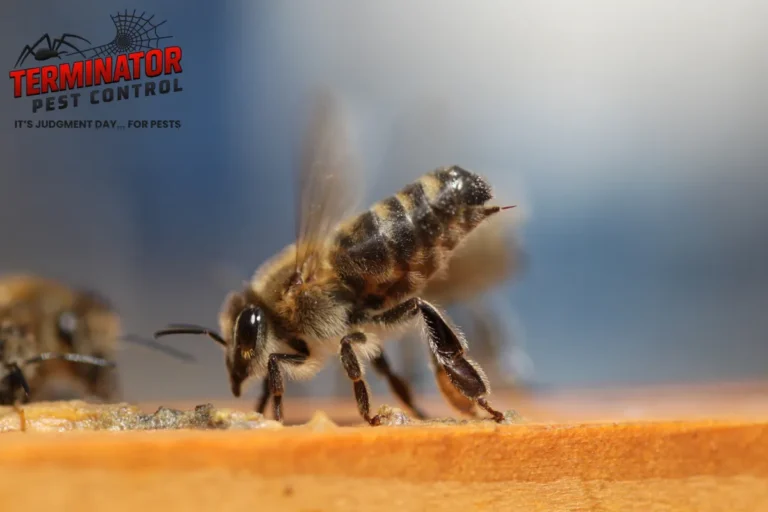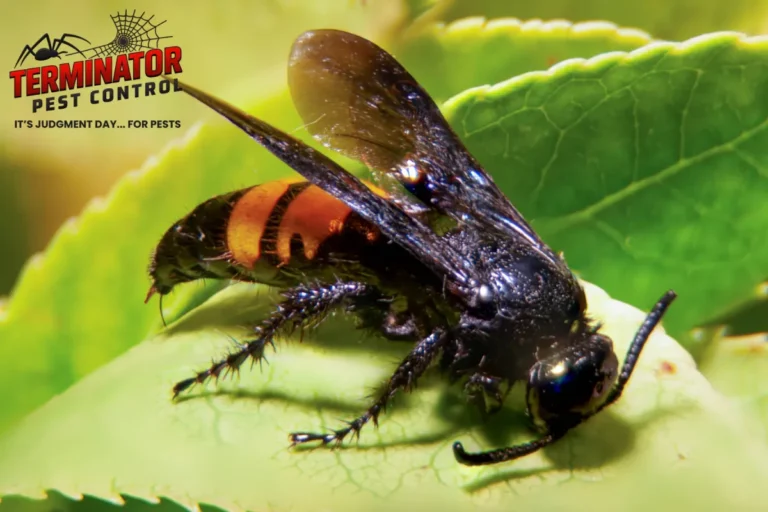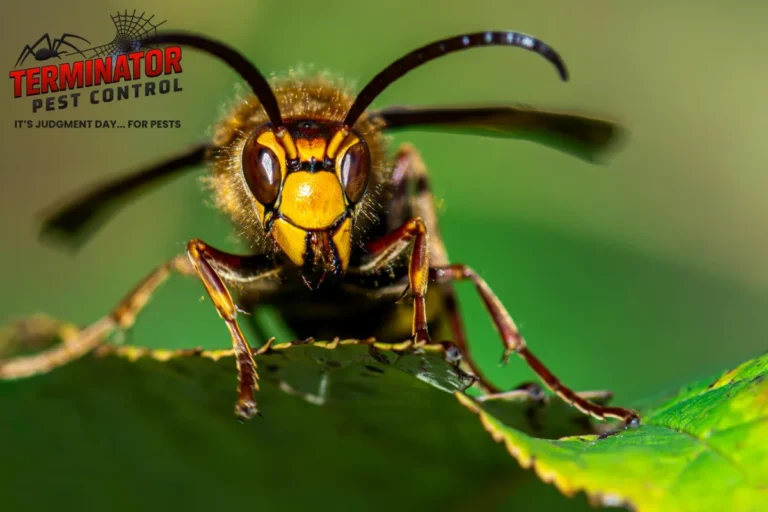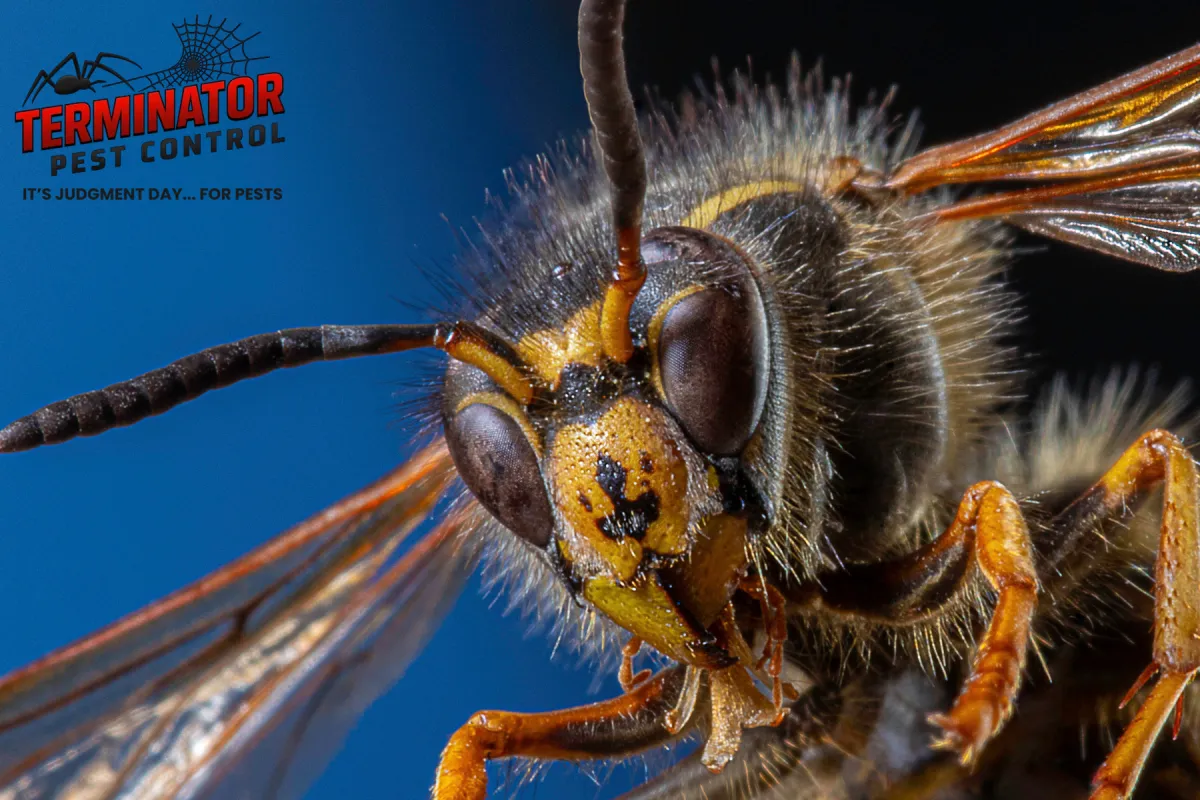

Yes, some stinging insects, including certain wasps and hornets, can build nests inside or around outdoor light fixtures and utility boxes if they find suitable shelter and access. Some bees may also investigate cavities, depending on the species. Repeated insect activity near an enclosure may indicate a possible nest, but it does not confirm one is present.
Why Do Stinging Insects Choose Outdoor Light Fixtures and Utility Boxes?
Outdoor fixtures and utility boxes may offer sheltered spaces where certain insects can build nests. Small openings, protected surfaces, and areas with little disturbance can make these structures suitable for some species.
However, insects near a fixture are not always nesting there. They may be searching for food, exploring the area, or traveling between a nest and nearby flowers.
Common factors that may attract or shelter insects include:
- Protection from weather: Covered spaces may provide shelter from wind and rain.
- Small openings: Gaps around covers, mounting hardware, or entry points may allow access.
- Protected surfaces: Some fixtures provide surfaces where wasps can attach their nests.
- Nearby food sources: Flowers and food or drink residue may attract insects to the surrounding area.
- Limited disturbance: Enclosures that are rarely checked may go unnoticed while insects investigate them.
The important distinction is whether insects are simply passing by or repeatedly entering the same opening.
Which Stinging Insects May Nest in These Areas?
Different stinging insects have different nesting habits. Identifying the insect can help determine what may be happening around an outdoor fixture or utility box.
| Insect | Possible nesting behavior | Signs to watch for |
| Paper wasps | Build open-comb nests in sheltered locations | Repeated activity around a protected space |
| Yellow jackets | Some species nest in cavities or enclosed spaces | Regular movement into a small opening |
| Hornets | Some species build enclosed nests in protected locations | Repeated activity around one sheltered area |
| Bees | Nesting habits vary by species | Bees entering a cavity or gathering near an opening |
These signs can suggest nesting activity, but they do not prove a nest is inside the enclosure. The insect species, structure, and pattern of activity all matter.
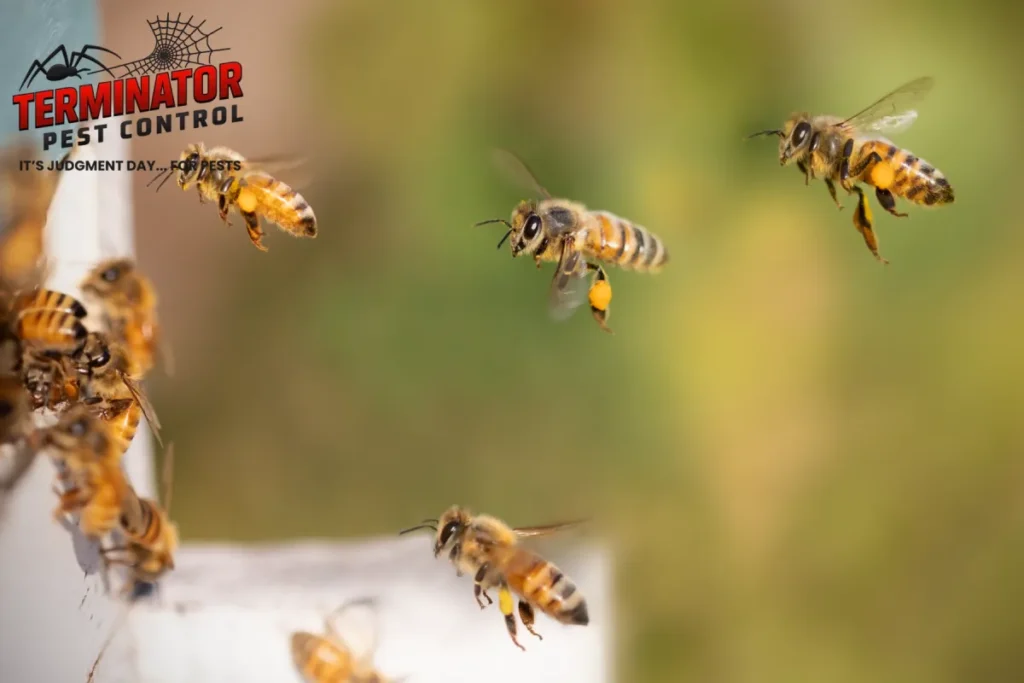
Bees need special consideration because many species are important pollinators. Terminator Pest Control advises against killing honey bees or applying insecticide to them. A local beekeeper may be able to help relocate a colony when appropriate.
How Can You Tell If a Nest Is Inside a Fixture or Utility Box?
Repeated movement through the same opening is one sign that insects may be nesting nearby. A single insect flying past a light is less concerning than several insects consistently entering and leaving the same gap.
Watch for these signs from a safe distance:
- Repeated entry and exit: Insects disappear into the same opening over time.
- Consistent flight paths: Several insects follow a similar route toward one location.
- Increasing activity: More frequent visits may suggest the area needs further assessment.
- Visible nest material: A nest may sometimes be visible without opening the enclosure.
- Persistent movement: Social wasps may repeatedly travel between a nest and nearby food sources.
Do not open a fixture or utility box to look for a nest. Doing so may disturb the insects or expose you to electrical hazards. A qualified Stoughton pest control professional can assess the activity and recommend an appropriate next step.
Nesting Activity vs. Occasional Visits
Not every insect near an outdoor structure signals an infestation. Comparing what you observe can help you explain the issue when seeking professional advice.
| What you observe | What it may mean | Recommended response |
| One insect briefly visits a light | Temporary attraction or exploration | Observe from a safe distance |
| Several insects repeatedly enter the same gap | Possible nesting activity | Arrange a professional assessment |
| Bees visit flowers beside a fixture | Nearby flowers may be attracting them | Observe whether they enter the enclosure |
| A visible nest appears inside an enclosure | A nest may be established | Avoid disturbing it and seek professional help |
For property owners seeking pest control in Stoughton, WI, noting where insects enter and how often they return can help explain the concern when contacting a professional. These observations are useful, but they may not reveal the exact location of a nest.
Are Nests Inside Outdoor Fixtures or Utility Boxes Dangerous
A nest inside an outdoor enclosure can create safety and maintenance concerns. The level of risk depends on the insect species, the location, and how close people need to get to the area.
Sting Risks
Wasps and hornets may defend their nests when disturbed. Opening a fixture, tapping on a utility box, or attempting to remove a nest can trigger defensive behavior. Stings can be painful, and some people may experience severe allergic reactions.
Keep children and pets away from the suspected nesting area. Anyone with a known severe sting allergy should take particular care to avoid exposure.
Electrical and Maintenance Concerns
Outdoor light fixtures and utility boxes may contain electrical components. Opening, dismantling, or modifying them without proper qualifications can create additional hazards.
Insects nesting nearby do not automatically mean the equipment has been damaged. If the enclosure needs repair, contact a qualified electrician or the relevant utility provider. Pest control and electrical work may need to be handled separately.
What Should You Do If You Suspect a Nest?
Follow these precautions:
- Keep your distance and avoid disturbing the insects.
- Do not open the fixture or utility box to inspect the inside.
- Do not block an opening that insects may be using.
- Keep children and pets away from the area.
- Contact a pest control professional for an assessment.
- Arrange qualified electrical or utility assistance if the enclosure needs repair.
These steps can help reduce unnecessary contact with the insects while allowing the situation to be assessed safely.
How Can You Help Prevent Stinging Insects From Nesting?
Regular observation and proper maintenance may help reduce some conditions that allow insects to establish nests. However, no preventive measure can guarantee that insects will never return.
Consider these practical steps:
- Check for visible damage: Look for loose covers or gaps from a safe distance.
- Maintain outdoor structures: Arrange repairs through qualified personnel.
- Clean up food residue: Remove spilled drinks and food around outdoor seating areas.
- Monitor repeated activity: Pay attention when insects consistently enter the same opening.
- Seek professional advice: Have recurring activity assessed before attempting changes.
Do not seal a suspected entry point if insects may already be nesting inside. Trapping insects or forcing them to find another exit can create additional problems. A professional can assess the situation before any changes are made.
When comparing pest control in Stoughton, look for a company that explains its findings and recommendations clearly instead of assuming that every insect sighting means a nest is present.
Myth vs. Fact: Insects Around an Outdoor Light Always Mean There Is a Nest
Myth: If wasps or hornets keep appearing near an outdoor light, their nest must be inside the fixture.
Fact: Insects may be attracted to the surrounding area, exploring a possible nesting site, or traveling between a nest elsewhere and a food source. Repeatedly entering the same opening is a stronger sign of possible nesting than simply flying around a light, but it does not confirm a nest.
Other common misconceptions can also lead to unsafe decisions.
| Myth | Fact |
| Turning off the light removes an established nest. | Changing the lighting does not remove a nest that is already present. |
| Every bee near a utility box is nesting there. | Bees may be visiting nearby flowers or exploring the area. |
| A small nest is always safe to remove. | Even a small nest can present a sting risk when disturbed. |
| Sealing the opening solves the problem. | Closing an active entrance may trap insects or cause them to seek another route. |
The safest approach is to identify the likely insect, assess the pattern of activity, and avoid disturbing the area until the situation is understood.
Understanding Common Terms About Stinging Insect Nests
These terms can help property owners understand a professional assessment.
- Nesting site: A location where an insect or colony builds or occupies a nest.
- Entry point: An opening insects use to access a space.
- Foraging: Searching for food or other resources.
- Colony: A group of social insects living and working together.
- Professional assessment: An evaluation of the insect activity and location to help determine the appropriate response.
For example, an entry point may be visible even when the nest itself cannot be seen. A professional assessment can help determine whether the activity suggests nesting or another cause.
Applying Our “Expert Technicians Provide Fast, Reliable Solutions” Approach
At Terminator Pest Control, our approach starts with identifying the insect, assessing the situation, and recommending a suitable method of control. Our expert technicians provide fast, reliable solutions to help keep your home and family protected.
1. Identify the Insect
The first step is to determine whether the activity involves wasps, hornets, bees, or another insect. Identification matters because different species have different nesting habits and may need different responses.
For example, a wasp repeatedly entering a small gap may require a different approach from honey bees visiting flowers near an outdoor light.
2. Assess the Situation
Our team considers the pattern of activity, the suspected nesting location, and any safety concerns. A nest inside an enclosure may require a different response from insects gathering nearby.
This assessment helps us understand the problem before recommending a course of action. It also helps avoid assumptions based only on the number of insects seen.
3. Recommend an Appropriate Method
After assessing the situation, we explain suitable control options and relevant next steps. Terminator Pest Control may also make exterior applications to help prevent stinging insects from establishing themselves, especially paper wasps. The appropriate approach depends on the findings and the conditions around the property.
Honey bees require special care because they are important pollinators. Where appropriate, a local beekeeper may help relocate a colony. After relocation, the remaining nest material may also need to be removed to help prevent other insects from being attracted and to reduce the risk of damage from rotting or leaking honey.
4. Explain the Process Clearly
We believe customers should understand what an assessment involves and what to expect before work begins. An inspection fee may apply because these jobs can take additional time to assess and price correctly. If you hire us to do the work, a portion of the inspection fee will be credited back to you.
Our focus is on clear recommendations, personalized service, and dependable support so you can make an informed decision about protecting your property.
People Also Ask
Can wasps build nests inside outdoor light fixtures?
Yes. Some wasps may build nests inside or around outdoor light fixtures when they find suitable shelter and access. Repeated entry through the same opening may suggest nesting activity, but a professional assessment may be needed to confirm it.
Can bees nest inside utility boxes?
Some bee species nest in cavities, but their habits vary. Bees near a utility box may also be visiting nearby flowers or exploring the area. Avoid disturbing a suspected honey bee colony and seek appropriate professional advice.
How do I know if a nest is inside an outdoor light?
Repeated entry and exit through the same opening may indicate a possible nest. Do not open the fixture to investigate. Observe from a safe distance and contact a qualified professional if the activity continues.
Should I seal a gap where wasps are entering?
Not if a nest may already be inside. Sealing an active entrance can trap insects or cause them to seek another route. Have the situation assessed before making changes to the enclosure.
When should I call a pest control professional?
Contact a professional if insects repeatedly enter the same opening, a nest is visible, activity increases, or the location creates a safety concern. Avoid disturbing the area while waiting for an assessment.
Get Help With Stinging Insect Activity
Stinging insects can sometimes nest inside or around outdoor light fixtures and utility boxes, but activity alone does not confirm a nest. Watching for repeated entry, keeping your distance, and arranging a professional assessment when needed can help you respond safely.
If you need pest control because insects keep gathering around an outdoor fixture or utility box, Terminator Pest Control can help identify the insect, assess the situation, and recommend an appropriate next step.
Contact us today to discuss your concerns and ask about an inspection. Our team is committed to providing clear guidance and professional service to help protect your home and family.