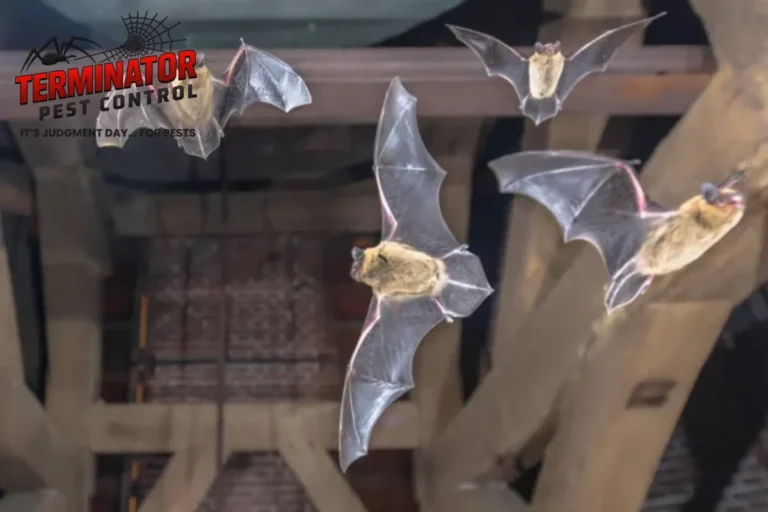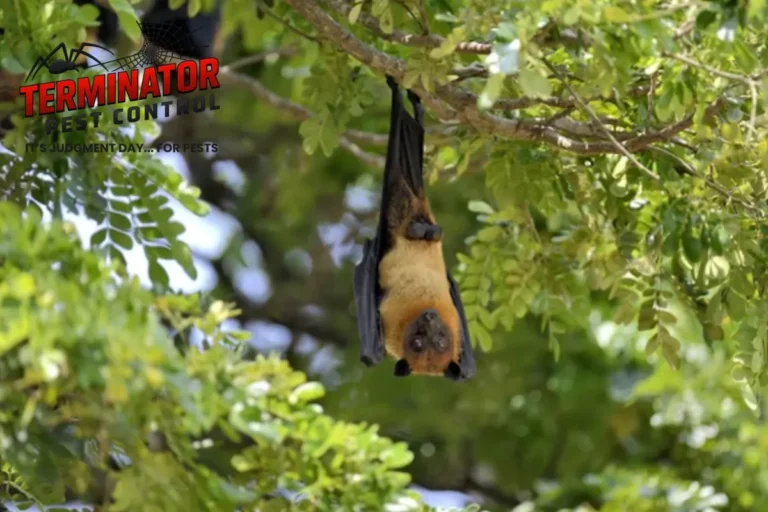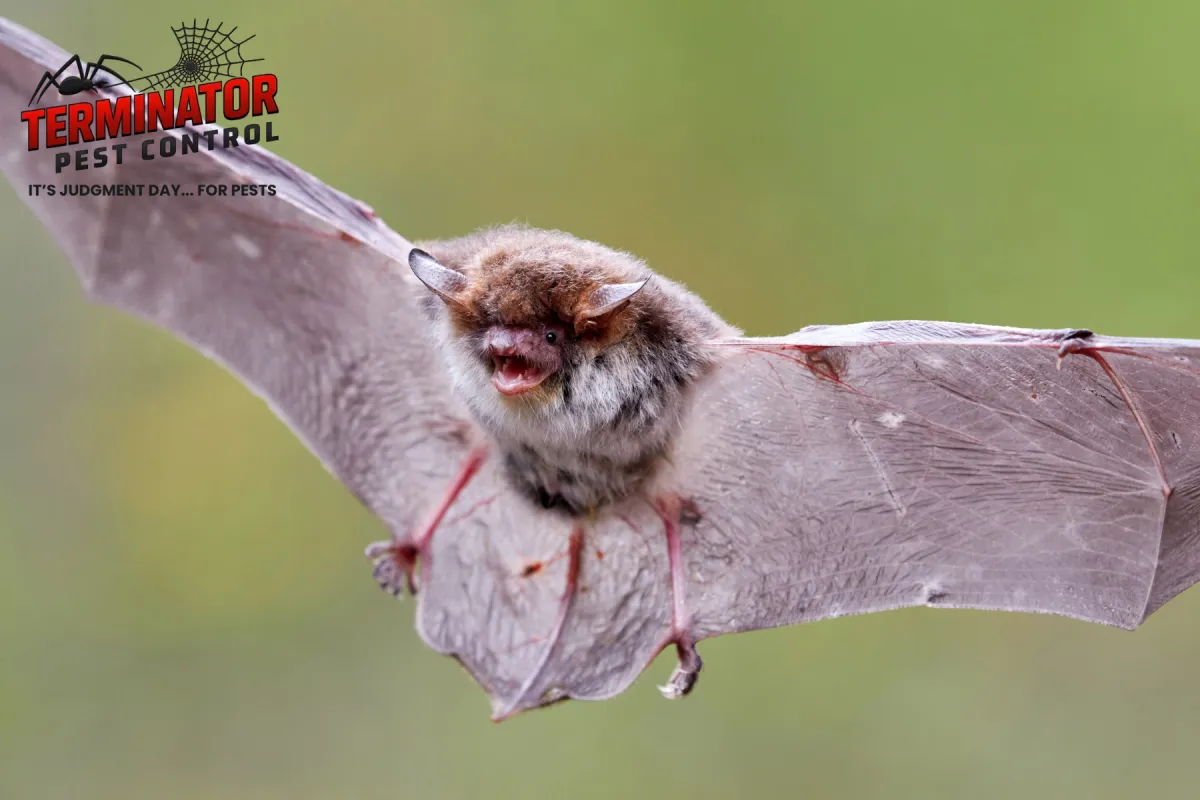

How does professional bat removal using one-way door devices compare to DIY trapping? Professional bat removal using one-way door devices is significantly safer, legal, and more effective than DIY trapping because it allows bats to exit naturally at dusk without physical contact, stress, or mortality risks. Unlike DIY trapping, which often violates wildlife protection laws and leaves secondary entry gaps unsealed, professional one-way exclusion pairs exit valves with full roofline sealing to ensure bats cannot re-enter.
When you hear scratching in the attic or spot droppings near your roofline, taking action quickly is natural. However, trying to catch bats yourself often leads to legal trouble, health risks, and frustrating repeat infestations. Understanding how professional methods differ from DIY efforts helps you make the safest choice for your home and family.
During a recent audit for a firm in Cambria, our technicians evaluated an attic where a homeowner had attempted to trap bats in wire cages. The traps failed to clear the roost, and returning bats simply flew into nearby roof gaps. Professional care focuses on guided exit devices and total perimeter sealing to solve the issue permanently. Understanding how professional bat removal using one-way door devices compares to diy trapping helps you make the right choice for your property.
Professional One-Way Devices vs. DIY Trapping (Comparison Matrix)
Core Methodological & Safety Differences
Comparing professional exclusion methods with DIY trapping shows clear differences in legal compliance, safety, and long-term results. The table below breaks down why hands-free exclusion works better for homeowners.
| Feature / Metric | DIY Bat Trapping & Handling | Professional One-Way Door Exclusion | Homeowner Safety & Legal Benefit |
| Legal Compliance | High risk of state DNR violations | 100% compliant with wildlife protection laws | Prevents heavy fines and illegal harm to protected species. |
| Colony Safety | High risk of injury, stress, or fatality | Zero physical contact; bats exit naturally | Guarantees ethical, humane wildlife management. |
| Structural Protection | Does not address secondary gaps | Complete roofline, soffit, and vent sealing | Eliminates future re-entry points permanently. |
| Disease Exposure Risk | High risk of bites, scratches, and guano exposure | Certified technicians handle all containment | Protects family members from rabies and health risks. |
| Success Rate | Low; bats quickly return or die indoors | Permanent; backed by multi-point sealing | Delivers lasting peace of mind and structural integrity. |
Using one-way devices protects the colony while keeping your living spaces completely safe. It eliminates the need for direct handling and ensures your home meets all local wildlife rules.
One-Way Door Specifications & DIY Risk Factors
Technical Standards & Material Features
Professional exclusion relies on purpose-built hardware that lets bats leave safely while blocking their return. Here are the key specifications that separate professional care from DIY attempts.
One-Way Exit Devices (Polycarbonate Cones & Sleeves)
Core Feature: Smooth, angled tubes fitted precisely over primary bat exit holes.
Functional Standard: Allows bats to drop down and fly out to feed while preventing them from gripping the exterior to get back inside.
Safety Level: 100% non-lethal, hands-free exclusion compliant with state DNR guidelines.
DIY Cage & Mesh Traps
Core Feature: Handheld wire traps or improvised netting placed over openings.
Functional Standard: Physically confines bats upon exit, forcing human handling or dangerous relocation.
Safety Level: High risk of lethal stress, severe animal injury, and human rabies exposure.
Unsealed Secondary Entry Points
Core Feature: Roofline gaps, soffit cracks, and ridge vents larger than 3/8-inch.
Functional Standard: Primary focus of professional sealing; usually missed during DIY trapping attempts.
Safety Level: Leaving gaps open invites returning bats straight back into alternative attic voids.
Proper exit cones ensure bats leave naturally without getting hurt or trapped inside wall voids. Families seeking reliable bat removal in Cambria, WI count on these tested specifications for safe results.
Step-by-Step Professional Exclusion Process
How Certified Technicians Execute One-Way Bat Exclusion in 4 Steps
When you hire a trained technician, they follow a clear 4-step process to secure your home without using harmful traps or treatment applications.
- Comprehensive Roofline & Attic Assessment: Technicians inspect eaves, gable vents, and attic spaces to map all primary entry points and unsealed secondary cracks.
- Installation of Custom One-Way Door Valves: Smooth polycarbonate cones or flexible mesh sleeves are secured directly over active primary exit holes.
- Perimeter Structural Sealing: All secondary roofline gaps 3/8-inch or larger are sealed using metal flashing, steel mesh, and weatherproof sealant.
- Monitoring & Device Removal: Technicians monitor the property for 3 to 7 days, ensuring the entire colony has safely exited before removing the devices and sealing the final hole.
This organized process guarantees that no bats remain trapped behind new seals. It delivers a complete, worry-free solution that protects your structure from the outside in.
Applying Our Proven Expertise to Solve This
Humane Wildlife Management in Action
At Terminator Pest Control, we take pride in being a locally operated business that puts our customers first. Our technicians follow Wisconsin Department of Natural Resources (DNR) guidelines to ensure every project is completed legally and humanely.
We provide customized inspection and exclusion solutions built around your home’s unique layout. Our humane methods use one-way devices so bats can leave freely without risk of injury, giving you absolute confidence in our work.
Once the colony has vacated, our team handles complete cleanup and restoration to remove guano and sanitize your attic space. We believe in humane wildlife management that protects both local ecosystems and your family’s health.
Homeowners in need of dependable bat exclusion in Cambria trust our friendly experts for lasting relief. Understanding how professional bat removal using one-way door devices compares to diy trapping empowers you to select safe, permanent protection.
Common Industry Misconception: “Trapping and Moving Bats Away Solves the Infestation”
Debunking the Trapping and Relocation Myth
This is a widespread mistake that rarely works in practice. Bats have strong homing instincts and can easily fly back to their established roosts from miles away.
Confining bats in traps causes severe stress and often drives desperate animals deeper into living areas. Property owners looking for real Cambria bat exclusion rely on one-way door devices and tight perimeter sealing to keep bats out for good.
People Also Ask (FAQ)
Is it legal to trap and relocate bats on my own?
In most states, trapping or harming bats is illegal due to protected species laws. Regulations mandate using humane exclusion techniques during approved non-maternity seasons.
How long do one-way exit doors need to stay on the house?
One-way exit devices usually stay in place for 3 to 7 days. This ensures every bat in the colony flies out to feed before technicians return to remove the device and seal the final opening.
Will bats try to chew their way back in after being excluded?
Unlike mice or squirrels, bats cannot chew through building materials. As long as secondary gaps are sealed with steel mesh, flashing, and commercial sealant, excluded bats cannot re-enter.
Why choose Terminator Pest Control for bat management?
Terminator Pest Control combines over 100 years of combined experience, family-owned values, full DNR compliance, and safe, hands-free exclusion methods for lasting peace of mind.
Conclusion
Give your home the protection it deserves with safe, humane, and guaranteed bat exclusion solutions. Our friendly, certified team at Terminator Pest Control is ready to inspect your roofline and create a plan tailored to your property.
Contact us today to restore your peace of mind!