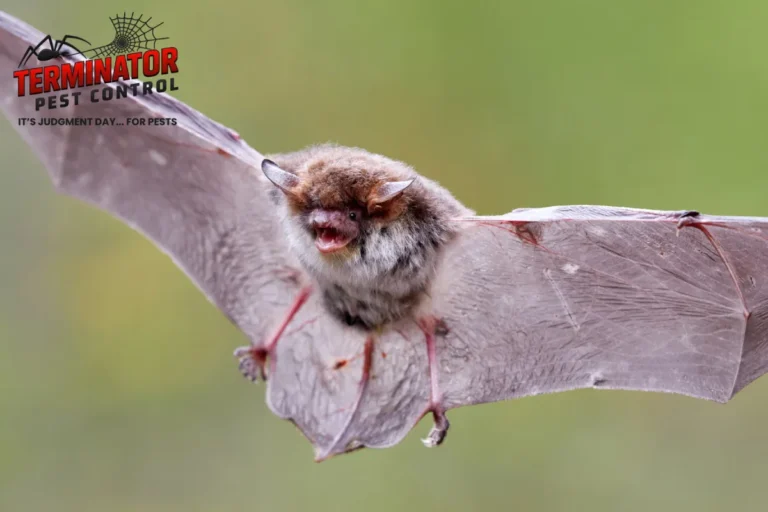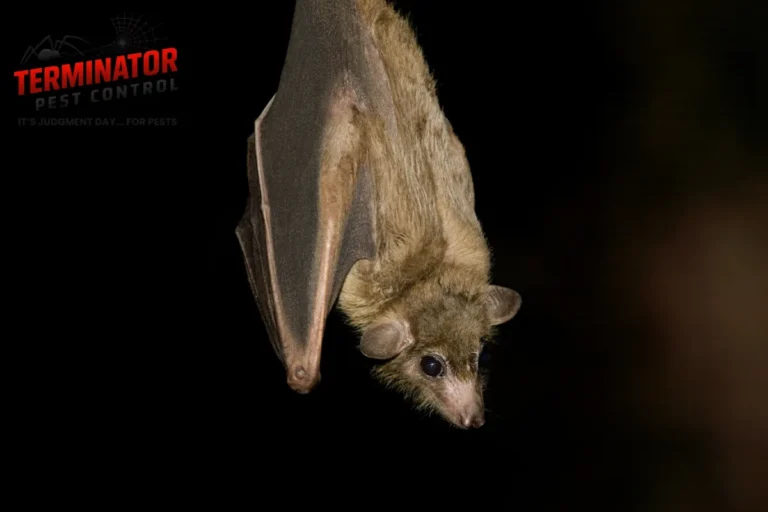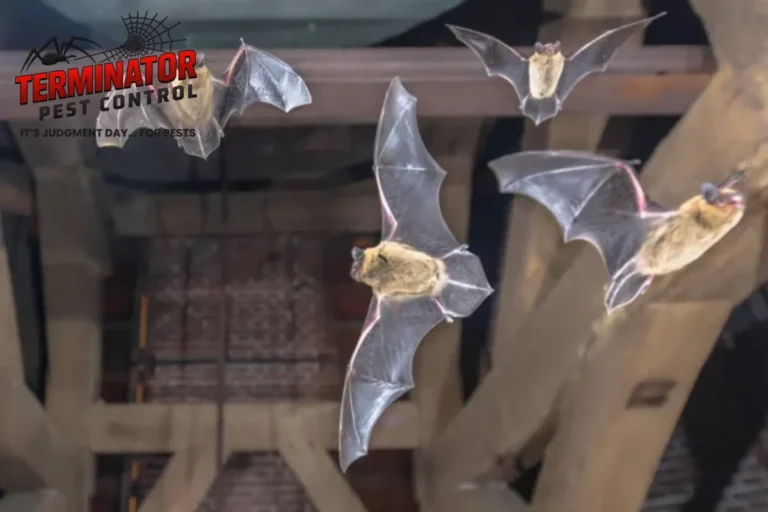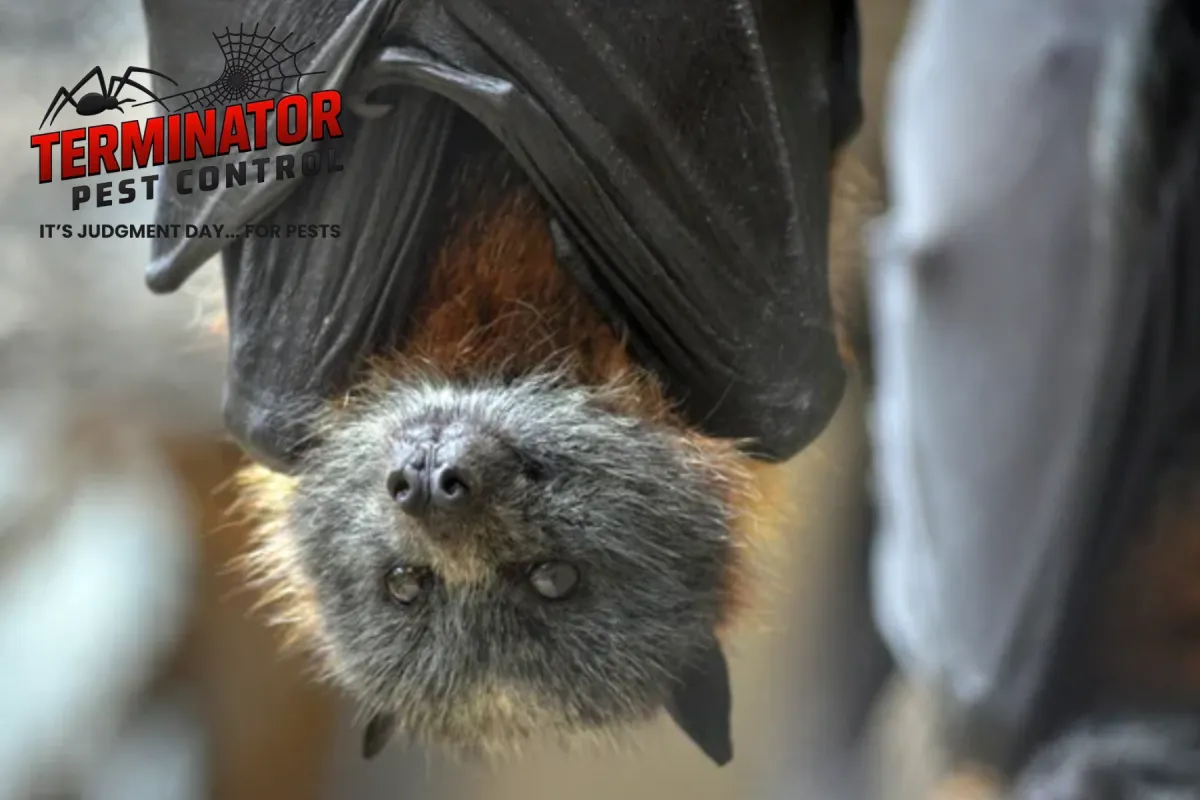

You remove bats from an attic without harming them by using a professional process called live behavioral exclusion. This method uses non-lethal, one-way exit devices installed over their main entry points, combined with total structural sealing. This setup allows the bats to leave safely at night to hunt but blocks them from re-entering, forcing the colony to relocate to alternative natural roosts without using traps or chemicals.
The Step-by-Step Live Exclusion Process
Safely evicting a protected wildlife colony requires following a precise, humane sequence designed around the natural biology and flight behaviors of bats. When a colony makes an attic its home, simple removal methods are not enough. It requires a careful, staged approach to ensure the animals leave unharmed and the building remains protected in the long term.
Structural Perimeter Sealing
Before any one-way doors are installed, technicians must seal all potential secondary entryways. Bats will actively seek alternative holes when blocked from their primary entrance. Sealing every gap down to three-eighths of an inch using high-durability sealants and steel mesh is required. If a single gap is left open, the bats will find it, bypassing the exit gates entirely.
Installing One-Way Exit Devices
Specialized one-way exit valves, cones, or slick poly-mesh drapes are installed directly over the active entry gaps. These configurations let bats drop out downward to launch into flight but offer no grip or leverage for them to climb back inside when they return at dawn. This allows the animals to leave naturally on their own terms when they go out to forage for insects at night.
Monitoring the Eviction Loop
The devices are left in place for five to seven days of clear weather. This ensures that every foraging adult has left the building naturally to feed, leaving the attic entirely empty. Technicians track the roofline at twilight during this phase to confirm that any active movement has ceased before proceeding with the final structural repairs.
Comparison: Why Live Exclusion Beats Trapping or Poisons
Using humane, non-lethal behavioral tools is the only reliable way to safely and permanently manage a bat infestation. Attempting to trap or poison these flying mammals creates immense stress for the colony and severe structural issues for the property owner.
Structural and Biological Impact Analysis
| Eradication & Relocation Metric | Traditional Trapping / Lethal Methods | Humane One-Way Live Exclusion |
| Animal Health & Survival | High mortality rates due to stress, dehydration, or poisoning. | Zero injury risk; bats simply relocate to existing wild roosts. |
| Colony Removal Success | Low; hidden bats and deep wall nests are completely missed. | 100% effective; allows the entire colony to exit naturally. |
| Legal Compliance | Highly illegal; violates state and federal wildlife protections. | Fully compliant with wildlife standards and blackout laws. |
| Secondary Biohazards | Carcasses rot inside walls, causing severe odor and insect issues. | Eliminates the animals cleanly before structural sealing occurs. |
| Long-Term Prevention | Failing to seal entry points leads to immediate re-infestation. | Combined with total sealing to permanently secure the roofline. |
During a recent property inspection for a homeowner who noticed scratching sounds behind their bedroom ceiling, our team discovered that a previous contractor had attempted to cage the bats. The trap had failed to catch the animals hidden deep inside the soffit boxes, and the stress had driven the bats further into the home’s living spaces. We removed the cages and implemented a comprehensive system for bat exclusion in Middleton, which naturally drained the colony from the roofline without harming a single mammal.
Debunking the Myth: “Ultrasonic Repellers and Mothballs Will Scare Bats Away Humanely”
The most common misconception in home wildlife management is that you can easily and humanely clear an attic by using ultrasonic sound machines, strobe lights, or mothballs. Homeowners often buy these items online, hoping for a quick, non-invasive fix that avoids professional intervention.
The Reality: Sensory deterrents do not override a bat’s powerful homing instinct or a mother bat’s drive to protect her roost.
Bats are deeply attached to their chosen nursery roosts because they provide safety and warmth for their families. While strong smells from mothballs or loud high-frequency noises might cause brief discomfort, the animals will simply retreat deeper into your wall insulation or floor cavities to escape the irritation. Overusing mothballs can also release toxic chemical vapors into your home’s HVAC system, creating a health hazard for your family while failing to remove a single bat.
Applying Our Proprietary Exclusion Protocol to Solve This
To clear your attic safely without risking structural damage or violating wildlife laws, our team relies on a specialized, multi-stage protocol. We combine years of biological expertise with advanced materials to deliver permanent, humane results. At Terminator Pest Control, we focus on delivering peace of mind by providing efficient, reliable, and customer-centered pest control solutions.
Our specialized framework relies on a meticulous, multi-step process to ensure total colony relocation and permanent property protection:
1. Detailed Inspection
We do not guess where bats are nesting. Our team carries out an exhaustive, top-to-bottom structural detailed inspection of your roof architecture, identifying active entryways and weak construction seams using precision gap gauges and visual tracking indicators.
2. Humane Exclusion
We deploy specialized humane one-way devices over the active entry points. These slick tubes or mesh drapes allow the mammals to exit naturally at night to forage but prevent them from landing or re-entering the building. This process of humane exclusion ensures that the entire colony leaves safely without being handled or harmed.
3. Sealing and Prevention
While the one-way valves drain the colony from the structure, we complete comprehensive sealing and prevention work across all secondary joints and cracks. Our service windows align perfectly with Wisconsin DNR regulations and humane wildlife standards to avoid disturbing flightless young during summer nesting seasons. If you suspect an infestation in your home, setting up a proper plan for Middleton bat exclusion ensures your property is properly locked down without violating local conservation laws.
4. Cleanup and Restoration
Once we confirm the colony has fully moved out, we remove the temporary devices and seal the final openings. Our team then steps in with full cleanup and restoration services. We safely vacuum away toxic guano, apply natural enzymatic sanitizers to eliminate dangerous fungal spores, and restore damaged attic insulation to its original thermal specifications. Homeowners facing complex roof lines often find that our structured path for Middleton, WI bat exclusion provides a permanent shield against returning wildlife.
Technical Specifications & Humane Feature Glossary
One-Way Exclusion Drape: A slick, heavy-duty poly-mesh curtain fastened over an exit gap that allows bats to slide out under the bottom edge but collapses against the wall to block re-entry.
Maternal Blackout Season: A legally mandated summer window when bat exclusion is banned to ensure flightless pups are not trapped and starved inside the roost.
HEPA-Filtered Guano Vacuum: A specialized biohazard remediation vacuum system equipped with high-efficiency particulate air filters to safely capture toxic spores without contaminating home air columns.
Enzymatic Sanitizer: A specialized biological cleaning solution used to break down animal pheromones, waste odors, and fungal spores left behind on raw attic structural framing.
People Also Ask
Will bats starve if they are excluded from my attic?
No. Bats are highly skilled foragers that maintain multiple alternative roosting spots, such as hollow trees, rock crevices, or nearby structures. Live exclusion simply guides them to use their alternative wild shelters.
What happens to bats during the summer maternal blackout season?
During this time, baby bats (pups) cannot fly and are completely dependent on their mothers. Performing an exclusion during this window would trap the babies inside to starve, which is why humane companies pause exclusion work until the young can fly.
Can I catch a bat in a bird net or a drop cloth?
No. Standard netting can easily tangle and break a bat’s delicate wing bones, causing permanent harm or death. It also increases your risk of being bitten or scratched, which creates a potential rabies exposure hazard.
How do I know if all the bats are gone after an exclusion?
A professional will look for the complete absence of scratching sounds, check that no fresh guano is accumulating, and perform a watch at dusk to confirm that no bats are exiting or trying to get back into the sealed gaps.
Trust a Humane, Data-Driven Solution
Attempting to fix a bat infestation with shortcuts or retail deterrents can lead to ongoing problems, property damage, and repeat infestations. At Terminator Pest Control, we use a professional, humane, and biology-based approach to address access points, protect your property, and provide long-term peace of mind.
Experts Dedicated to Your Comfort
Terminator Pest Control is a family-owned, professional, and trustworthy pest control company serving Wisconsin homeowners and business owners. Backed by 100+ years of combined expertise, customized Gold and Platinum Pest Protection Plans, eco-friendly solutions, and a satisfaction guarantee, our team delivers safe, effective, and long-lasting protection for pests such as bats, rodents, bed bugs, and insects.
Secure Your Long-Term Property Partner
Whether you need immediate pest control or ongoing prevention, Terminator Pest Control is ready to help protect your home or business with care, transparency, and proven solutions. Contact us today to request your free quote or learn more about our protection plans.