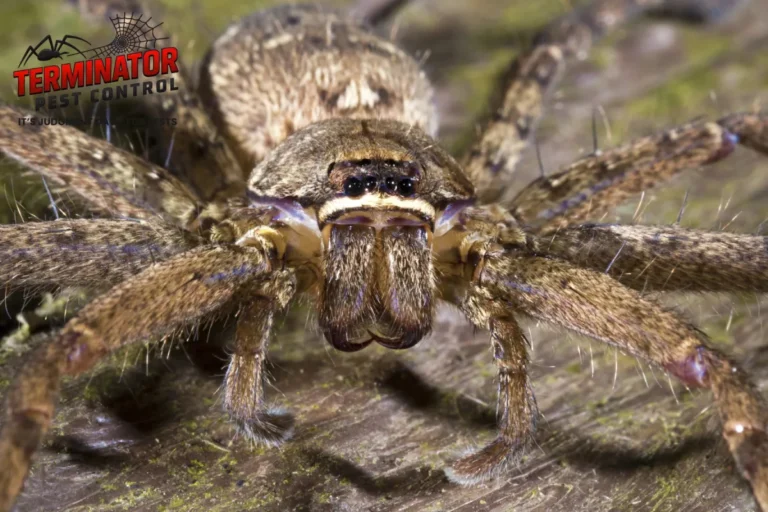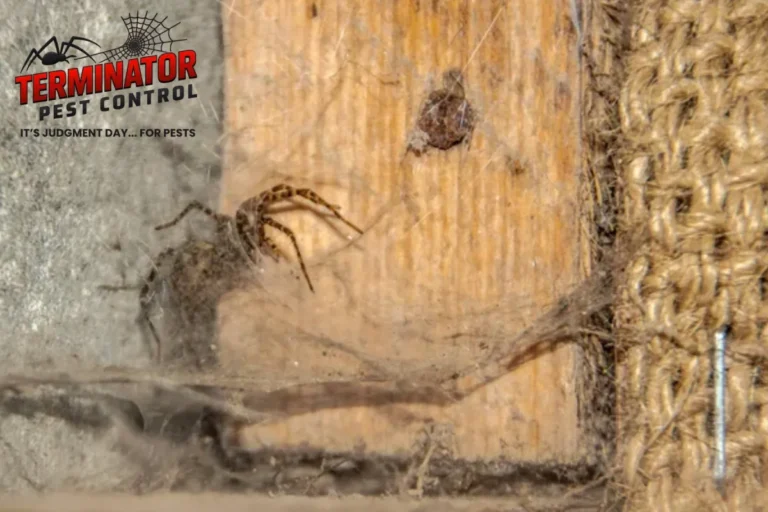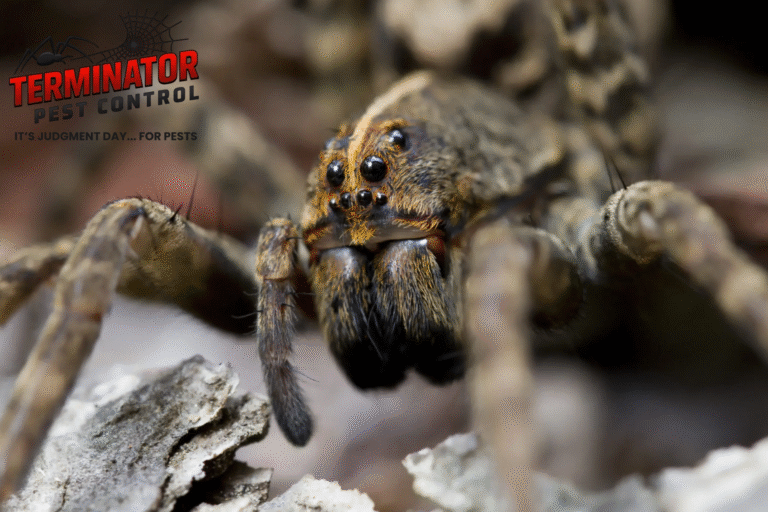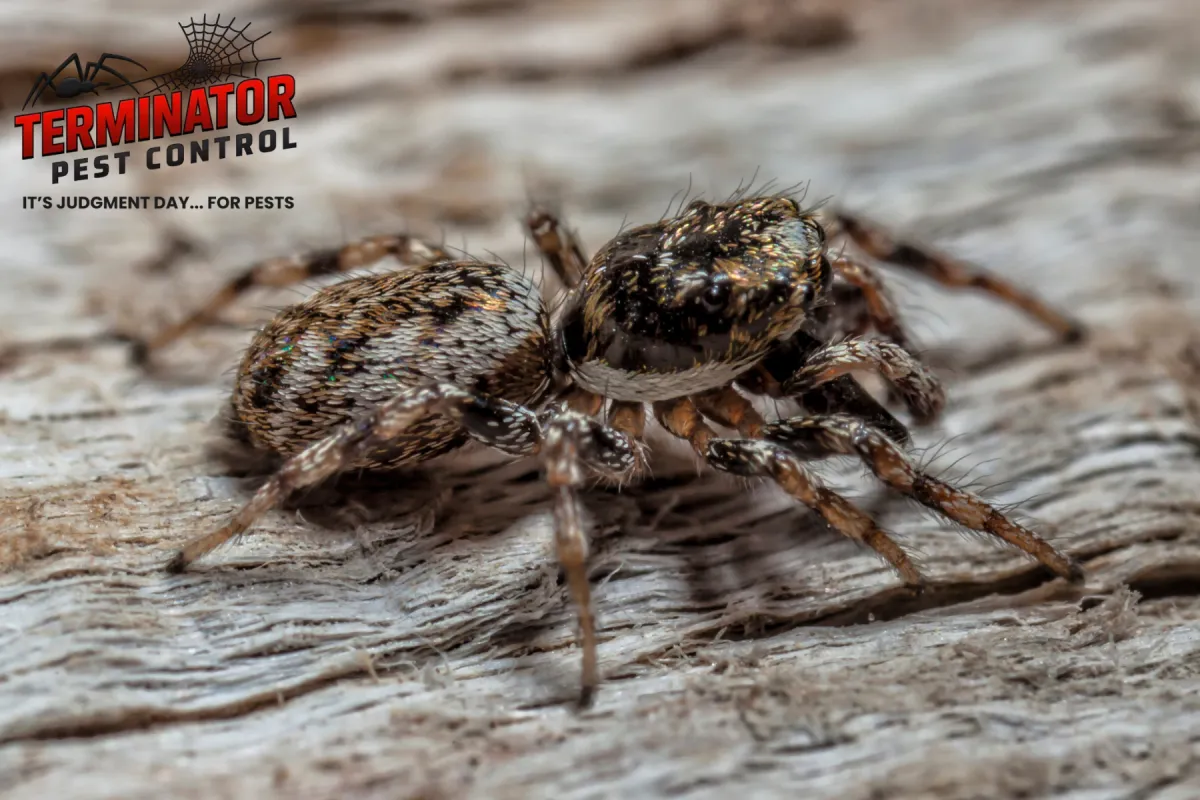

Spiders enter homes primarily in search of active insect prey, moisture, and quiet shelter away from outdoor elements. They do not hunt humans or seek out warm-blooded animals; instead, they follow food sources like flies, ants, and silverfish through unsealed structural cracks, window gaps, and door thresholds.
Spotting an eight-legged visitor crawling across your floor or hanging from a ceiling corner can be startling. When arachnids show up regularly inside your house, it is natural to wonder what brought them inside in the first place. Many people assume these pests are actively seeking out living spaces to target humans, but their motivations are much simpler.
These creatures are quiet hunters driven entirely by survival. Understanding what draws them indoors and what environmental factors keep them coming back allows you to take control of your home and make your living spaces far less appealing to unwanted guests.
4 Primary Factors That Draw Spiders Indoors
Understanding the environmental drivers behind spider activity indoors helps you fix the root causes rather than just sweeping away webs every few days:
1. Abundant Indoor Insect Prey
These creatures are natural predators. If your home has a steady population of small insects, such as house flies, fruit flies, ants, gnats, or silverfish, they will naturally follow the food supply. Bright outdoor lights near doorways and windows also draw swarms of night-flying bugs, creating an easy hunting ground right along your entry points.
2. Moisture and Climate Comfort
Like most living things, arachnids need water to survive. Areas with high humidity and standing moisture provide drinking spots and comfortable resting conditions. Damp basements, crawl spaces, laundry rooms, and leaky plumbing traps create the damp environment that soft-bodied species prefer.
3. Quiet, Low-Disturbance Shelters
High-traffic, noisy areas are risky places for webs or egg sacs. Unfrequented spaces offer ideal spots for setting up camp. Stored cardboard boxes, cluttered attic corners, dark closets, unmanaged garages, and empty wall voids offer peace.
During a recent home inspection for a client in Fond du Lac, our technicians found that a hidden plumbing leak behind a basement wall had attracted a thriving population of silverfish, which in turn drew dozens of hunting arachnids into the finished living areas.
4. Seasonal Mating and Weather Changes
As summer turns into autumn, male arachnids wander through open spaces looking for mates. At the same time, dropping outdoor temperatures and dry fall air compel outdoor species to seek shelter beneath door thresholds, window frames, and foundation ledges.
Direct Comparison: Web-Building Spiders vs. Hunting Spiders
Indoor arachnids generally fall into two distinct behavioral categories, each requiring a slightly different approach to spot and control.
Comparison Table: Behavioral Profiles of Indoor Spider Types
| Behavioral Attribute | Web-Building Spiders (e.g., Cellar & Cobweb Spiders) | Hunting Spiders (e.g., Wolf & Sac Spiders) |
| Hunting Method | Builds silken webs in corners to trap flying insects | Actively walks across open floors to pounce on prey |
| Favored Indoor Zones | Upper wall corners, ceilings, basements, dark closets | Floor baseboards, door gaps, shoe racks, clutter |
| Movement Patterns | Stays stationary near silk webs for long periods | Fast-moving, wandering across floors and walls |
| Visual Indicators | Dusty cobwebs, hanging egg sacs, wrapped prey | Sudden sightings along floor edges or under furniture |
| Main Vulnerability | Open ceiling corners and high humidity spots | Unsealed door sweeps, foundation gaps, floor cracks |
Combining physical web removal with structural gap sealing delivers long-term results for homeowners seeking effective pest control in Fond du Lac, WI.
Key Specifications & Biological Terms
Arachnid Anatomy: Eight-legged arthropods possessing two main body parts (cephalothorax and abdomen), simple eyes, and specialized fangs used to capture prey.
Insect Bio-Load: The total volume of live insect prey (flies, ants, silverfish) living inside or around a structure that sustains and attracts predatory arachnids.
Sensory Leg Hairs: Microscopic, highly sensitive hair structures on legs that pick up faint air currents, floor vibrations, and chemical trails left by insects.
Web Matrix: Silken architectural structures, ranging from circular orb webs to messy corner cobwebs, engineered to catch specific flying or crawling bugs.
Indoor-Adapted Species: Arachnids that thrive inside human structures, taking full advantage of stable indoor temperatures, sheltered corners, and light-attracted insects.
Applying Our Specialized Protection Plan to Solve This
Relying on store-bought sprays or constantly sweeping down webs only offers brief relief. At Terminator Pest Control, we solve problems by removing what attracts pests and blocking access to your living space.
Our systematic approach focuses on physical prevention and long-term control:
- Sealing Structural Entry Points: Sealing gaps in the foundation, fixing door seals, or pipe entries helps block the tiny openings around windows and doors where outdoor bugs crawl inside.
- Targeted Seasonal Applications: In some cases, monthly treatments are needed due to heavy pest pressures during peak warm months to keep crawling insects from gathering around your home.
- Perimeter Micro-Barrier Protection: We apply treatments along exterior edges and baseboards to create a barrier that reduces pests on and in your home.
When homeowners request professional pest control in Fond du Lac, our team works systematically to eliminate active bugs while fortifying the exterior envelope of the property.
Debunking the Industry Myth: Spiders Crawl Into Beds to Bite Sleeping Humans
A common myth claims that house arachnids intentionally crawl into human beds at night to bite sleeping people or feed on blood. This myth makes many people uncomfortable in their own bedrooms, leading them to assume every red skin mark comes from a bite.
In reality, these creatures have zero interest in humans. They do not feed on human blood or body tissue, and they view large mammals as dangerous predators to avoid. Bites only happen as an absolute last resort when an insect or arachnid is accidentally trapped, pinched, or crushed against human skin, such as when putting on a shoe that has been sitting in a dark closet or rolling over onto one trapped in bedsheets. Most unexplained skin bumps are actually mosquito bites, flea bites, or minor skin irritations.
Families can rest easy knowing that these creatures prefer to stay hidden in dark corners hunting small bugs rather than interacting with people. If they become a recurring nuisance indoors, Fond du Lac pest control services can help identify entry points and prevent future infestations.
People Also Ask
Q: Do essential oils like peppermint oil keep spiders away?
A: Essential oils provide only brief scent repellency that fades quickly as the oil evaporates. They do not eliminate insect food sources or seal structural gaps, meaning pests will return once the smell weakens.
Q: Why am I seeing more crawling pests inside my house during late summer and early autumn?
A: Late summer and early fall mark the main mating season for many common species. Mature males actively leave their hidden webs to travel across floors and walls searching for females, making them much more visible.
Q: Does turning off porch lights help reduce indoor web builders?
A: Yes. Bright outdoor lights attract swarms of night-flying insects like moths, midges, and beetles right to your doors and windows. Predators build webs near these lights to catch easy meals and eventually wander inside through nearby door gaps.
Q: How does professional pest control eliminate spider problems long-term?
A: Professional pest control targets the root cause of the issue by controlling the underlying insect prey population, clearing away cobwebs and egg sacs, and sealing exterior structural gaps to stop new pests from entering.
Q: Are house species dangerous to my family or pets?
A: The vast majority of common species found in Wisconsin are completely harmless to humans and pets. Their venom is designed for tiny insects and is far too weak to cause harm to people.
Keep Your Home Comfortable and Spider-Free Today
Insects and arachnids enter buildings in search of simple necessities: abundant food, moisture, and quiet, undisturbed shelter. By reducing indoor insect activity, clearing out dark storage clutter, and sealing up exterior gaps around your foundation, you remove the main reasons these hunters invade your living space.
At Terminator Pest Control, we bring over 100 years of combined expertise to every job. As a family-owned business, we are dedicated to protecting your home with friendly, transparent, and trustworthy service. Whether you need immediate help clearing out active webs or want year-round protection through our Gold or Platinum Pest Protection Plans, our experienced technicians deliver peace of mind with every visit.
Serving families in Fond du Lac and surrounding communities, we treat your property with care and attention to detail.
Ready to clear unwanted cobwebs and pests from your home? Contact us today to schedule your home inspection!