

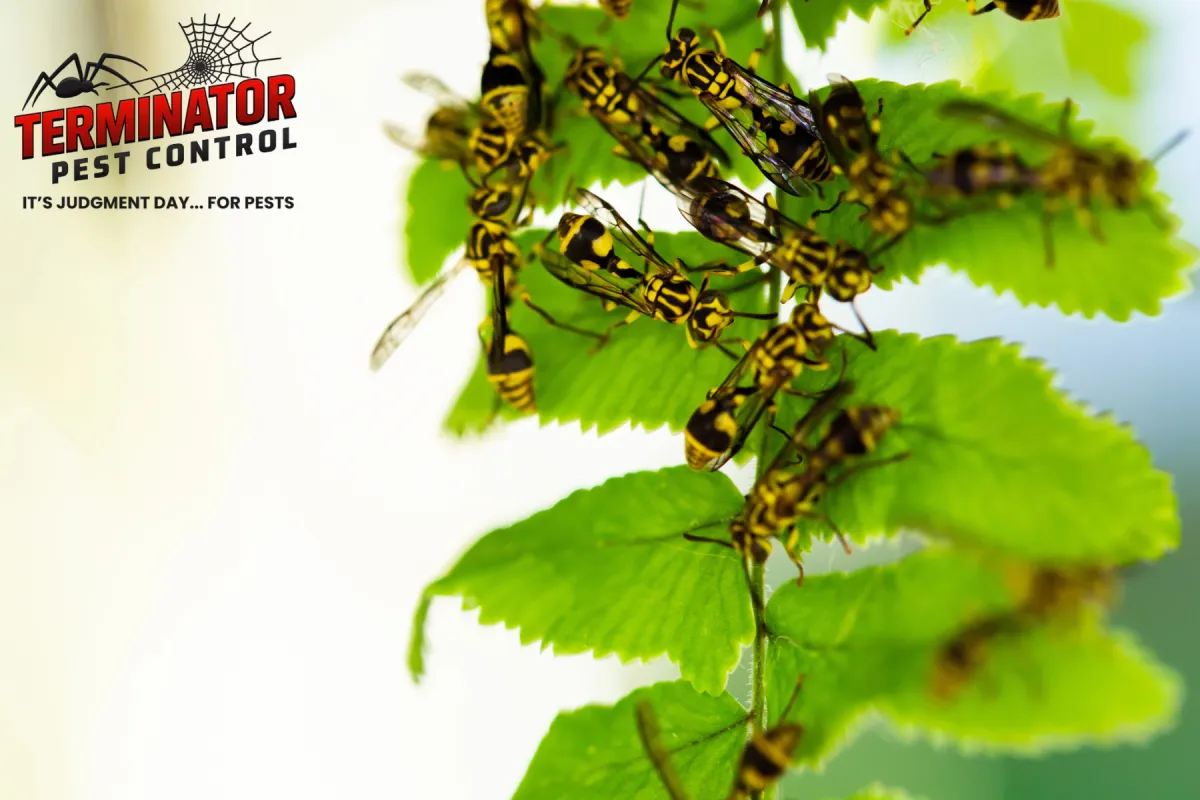

Stinging insects become more aggressive in late summer and early fall due to peak colony populations, dwindling natural nectar sources, and a dietary shift from protein to sugar. As queens stop producing larvae, adult workers no longer receive sugary secretions from young brood, driving them to desperately hunt for human food, sweet drinks, and trash while fiercely protecting their dying colony.
Enjoying a backyard barbecue or relaxing on your deck in late August often comes with unwanted guests. Yellowjackets, wasps, and hornets seem to transform from quiet garden pollinators into relentless pests. If it feels like these bugs are suddenly targeting your grill or hovering around your drink cans, you are not imagining things.
Understanding why stinging insects behave so aggressively as autumn approaches is the key to protecting your outdoor spaces and keeping your family safe.
4 Core Drivers of Late-Season Stinging Insect Aggression
Understanding why wasps and hornets become so defensive and persistent in late summer requires looking at their natural colony lifecycle:
1. Peak Colony Population Density
By late summer, social wasp and yellowjacket nests reach their maximum size, often holding thousands of active workers. With so many insects living in a single nest, competition for space and local food sources becomes intense, forcing workers to forage further from home.
2. Shift in Nutritional Demand (Protein to Sugar)
During spring and early summer, worker wasps hunt for protein—such as caterpillars, flies, and spiders, to feed developing larvae in the nest. By late summer, the queen stops laying eggs, and the last generation of brood matures. Without larvae to feed, adult workers no longer need protein and switch entirely to seeking sugar and carbohydrates to keep themselves energized.
3. Loss of Larval Sugar Secretions (Trophallaxis Breakdown)
In a healthy summer nest, developing larvae secrete a sweet, sugary liquid that worker wasps drink as their primary energy source. When larva production stops in autumn, adult workers suddenly lose their main food supply. Hungry and desperate, they leave the nest to forage for artificial sugars like sodas, fruit juices, melting ice cream, and decaying garbage.
During a recent property audit in Fond du Lac, our technicians observed how a massive ground-nesting yellowjacket colony near a deck became extremely territorial as natural floral nectar sources began drying up in late August.
4. Fierce Defense of Developing Queens
In late summer, the colony expends its remaining energy rearing new fertile queens and reproductive males. Because these new queens are the only members of the colony destined to survive the winter and start new nests next spring, worker wasps become extra protective of the nest perimeter.
Direct Comparison: Early Summer vs. Late Fall Stinging Insect Behavior
Worker wasps and yellowjackets act completely differently depending on the season and colony needs.
Comparison Table: Seasonal Behavioral Shifts in Stinging Insects
| Behavioral / Environmental Attribute | Early Summer (Building Phase) | Late Summer / Early Fall (Decline Phase) |
| Primary Food Source | Meat, caterpillars, flies, protein-rich prey | Ripe fruit, sodas, trash, sweet debris |
| Colony Focus | Feeding developing larvae & expanding nest | Sourcing sugars & protecting winter queens |
| Aggression Level | Low to Moderate (Targeted nest defense) | High to Extreme (Desperate foraging & high sensitivity) |
| Foraging Locations | Gardens, tree foliage, outdoor vegetation | Outdoor dining tables, trash cans, fruit orchards |
| Sting Pheromone Trigger | Mild reaction distance from nest | Immediate, wide-radius swarm response |
When homeowners seek reliable pest control in Fond du Lac, understanding these seasonal behavioral shifts helps us target treatments where insects forage most intensely.
Key Specifications & Behavioral Definitions
Yellowjackets (Vespula / Dolichovespula)
Highly aggressive, ground- or wall-nesting social wasps attracted to human food, known for multi-stinging capabilities without losing their stingers.
Trophallaxis
The mutual exchange of liquid food or nutritional droplets between adult social insects and their developing larvae.
Alarm Pheromone
A volatile chemical released by a threatened or crushed insect that signals nearby nestmates to attack in a coordinated defensive swarm.
Diapause
A dormant physiological state that newly mated queens enter during late autumn to survive freezing winter temperatures beneath tree bark or soil.
Smooth vs. Barbed Stinger
Honeybees possess barbed stingers that remain in mammal skin (causing honeybee death), whereas wasps and hornets have smooth stingers allowing repeated stings.
Applying Our Specialized Service Strategy to Solve This
Relying on store-bought aerosol sprays to swat individual wasps around your patio does not address the main nest hidden in your yard or eaves. At Terminator Pest Control, we bring over 100 years of combined expertise to tackle late-season pest threats safely and effectively.
Our multi-step treatment strategy focuses on long-term prevention and immediate nest elimination:
- Targeted Exterior Barriers: We make exterior applications to the structure that help prevent stinging insects from establishing nests, especially paper wasps along eaves, soffits, and window frames.
- Direct Nest Neutralization: We locate underground burrows, wall void cavities, and aerial nests, applying specialized non-repellent treatments that eliminate workers and queens at the source.
- Professional Care & Peace of Mind: Our expert technicians provide fast, reliable solutions to keep your home and family protected, ensuring your yard remains safe for outdoor gatherings throughout the fall season.
When property owners request pest control in Fond du Lac, WI, our team delivers friendly, expert service designed to keep your outdoor living areas completely comfortable.
Debunking the Industry Myth: Swatting a Wasp Scares Away the Nest
A common myth is that swatting at an aggressive yellowjacket or crushing it on your deck will scare away other nearby stinging insects and force them to flee.
In reality, squashing a wasp or yellowjacket releases a potent chemical signal known as an alarm pheromone. Instead of scaring other insects away, this scent travels through the air and alerts every worker within dozens of feet that a colony member is under attack. The alarm pheromone triggers an immediate, aggressive swarm reaction, drawing nearby nestmates to attack and sting the perceived threat.
Families often notice that squashing a single yellowjacket near a backyard table brings five more within seconds due to this airborne chemical signal. When dealing with late-fall pests, Fond du Lac pest control professionals recommend staying calm, avoiding swatting, and moving away slowly.
People Also Ask
Q: Why do yellowjackets hover around soda cans and trash bins in September?
A: In September, new queen production ends, meaning workers no longer receive sugary secretions from larvae. They desperately search for artificial carbohydrates, such as sodas, melting ice cream, and decaying fruit in open garbage containers.
Q: Do wasp and hornet colonies survive through the winter?
A: No. The old queen, male drones, and sterile female workers die off during the first hard frost of winter. Only newly mated young queens survive by hibernating in protected voids until spring.
Q: Are yellowjackets more dangerous in late fall than honeybees?
A: Yes. Yellowjackets have smooth stingers, allowing a single insect to sting multiple times. Their late-season food desperation also makes them far more likely to land on humans or defend food sources aggressively.
Q: How does professional pest control safely remove late-season nests?
A: Professional pest control uses protective gear, specialized non-repellent treatments, and targeted tools to neutralize nests in walls or underground without triggering defensive swarms.
Q: Should I block a wasp nest entrance inside my wall during fall?
A: No. Never seal an active nest entrance in a wall void with caulk or expanding foam. Trapped wasps will chew through interior drywall to escape, ending up inside your living rooms.
Protect Your Outdoor Spaces from Late-Season Stinging Insects
Late summer and early fall bring heightened wasp and yellowjacket aggression as colonies peak, and natural food supplies vanish. Securing outdoor trash cans, removing fallen orchard fruit, and avoiding swatting at foraging bugs will help keep your yard safe during autumn months.
At Terminator Pest Control, we are committed to restoring your peace of mind with safe, reliable, and family-focused solutions. Whether you need immediate help with an active ground nest or want long-term protection through our Gold or Platinum Pest Protection Plans, our team treats your property with care and attention to detail.
Serving families across Fond du Lac and surrounding areas, our technicians are ready to make your yard safe again.
Dealing with aggressive wasps or yellowjackets around your home? Contact our friendly team to schedule your home inspection!