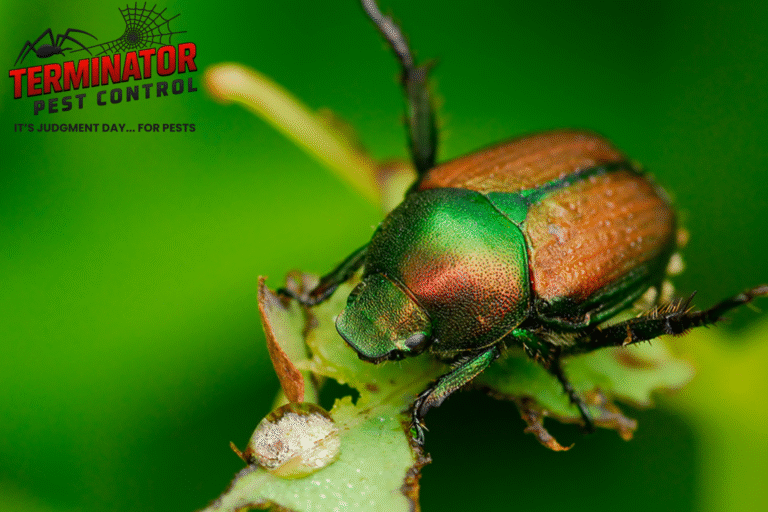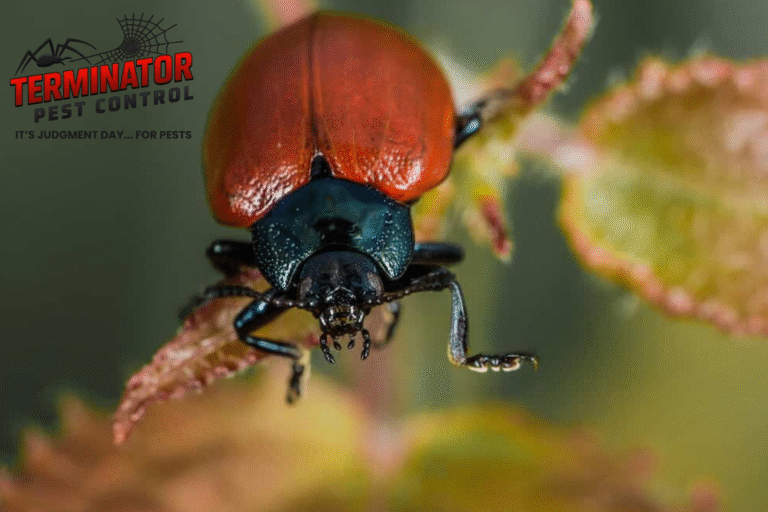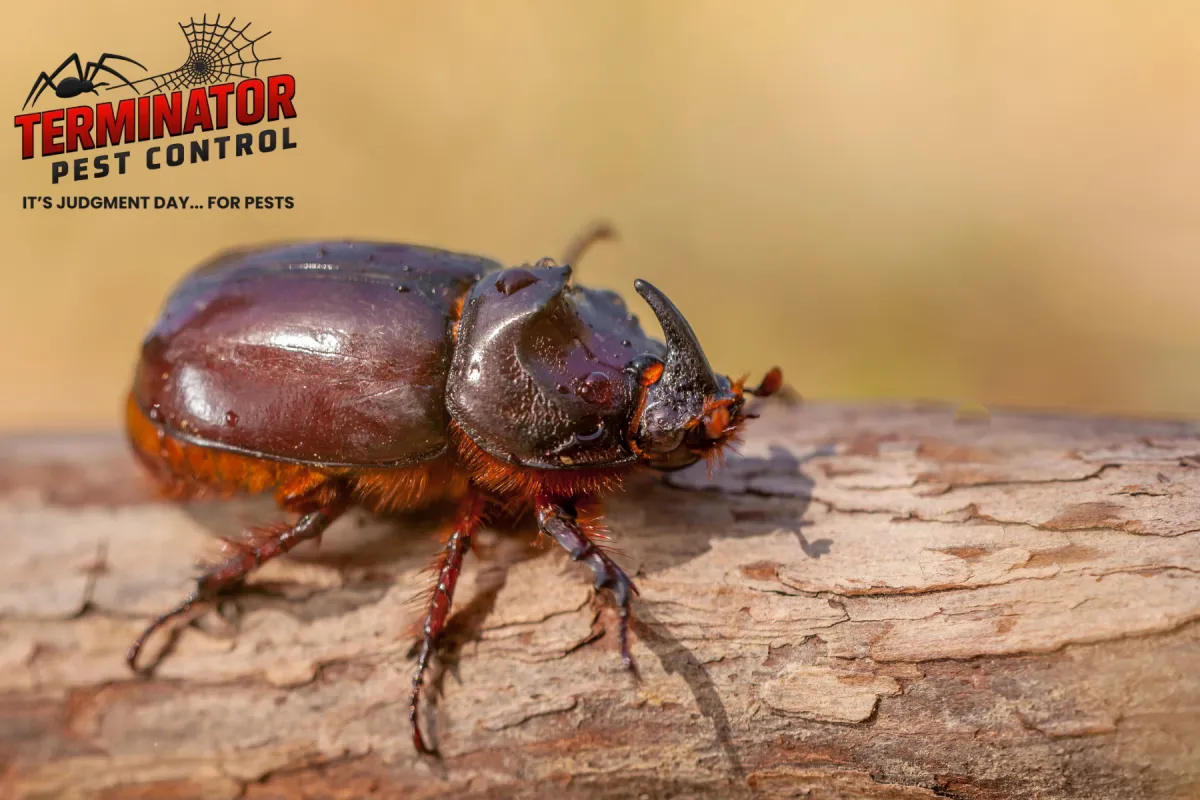

The most common signs of an indoor beetle infestation include fine powdery wood dust (frass), tiny pinhead-sized exit holes on wooden structures, damaged natural textiles like wool or leather, chewed food packaging in pantries, and shed larval cast skins. Finding live or dead insects clustered near sunny window sills is also a primary indicator of an active infestation.
Spotting a single bug crawling across your kitchen counter or finding small holes in a wooden shelf can easily be overlooked. However, many types of beetle quietly invade homes, targeting everything from structural floor joists and antique furniture to dry pantry goods and natural clothing fibers. Because larvae do most of their damage out of sight inside wood, fabrics, or food containers, learning to spot early warning signs before major destruction occurs is essential.
5 Warning Signs of an Active Indoor Beetle Infestation
Detecting an infestation early prevents widespread damage to structural timber, household textiles, and food stores. Look for these five primary indicators:
1. Fine Powdery Frass and Pinhead Exit Holes
Wood-boring larvae chew through structural timber, floorboards, and wooden furniture, leaving behind clean, tiny round holes (1/16 to 1/8 inch in diameter). As mature adults chew their way out of the wood, they push out a fine, talc-like wood dust known as frass, which collects in small piles beneath the holes.
During a recent structural inspection for a homeowner in Madison, our team discovered fine wood dust accumulating along basement joists, revealing a hidden wood-boring issue before it caused serious structural damage.
2. Chewed Pantry Packaging and Webbing
Stored-product pests, such as flour beetles, drugstore beetles, and sawtoothed grain beetles, target dry kitchen goods. They chew through cardboard boxes, paper bags, and thin plastic wrappers, leaving behind clumpy, webbed grain particles, unpleasant odors, and tiny crawling grubs inside cereals, flour, spices, and pet food.
3. Irregular Holes in Wool, Leather, and Natural Textiles
Carpet beetle larvae feed on natural animal proteins containing keratin. Unlike moths that chew scattered, random holes across fabrics, carpet beetle larvae tend to eat large, continuous, irregular bare spots out of wool rugs, feather pillows, silk garments, leather book bindings, and upholstered furniture.
4. Shed Larval Skins and Cast Shells
As carpet beetle and pantry pest larvae grow, they shed their hard, bristly, brownish outer skins. Finding these hollow, shell-like skins in dark closets, behind baseboards, under heavy area rugs, or in the back corners of food pantries confirms an active breeding population inside your home.
5. Adult Bugs Clustered Near Windows and Light Sources
While larvae do the actual chewing, fully grown adult bugs naturally fly or crawl toward bright sunlight. Finding small, oval, dark or patterned bugs dead or alive along window sills, inside light fixtures, or along sliding glass door tracks usually means a generation of pests has matured indoors.
Diagnostic Matrix: Identifying Beetles by Structural Damage & Signs
Different pest categories target distinct organic materials inside a house. Use this comparative matrix to identify the specific bug category based on observed damage.
Comparison Table: Beetle Categories, Target Materials, and Visual Indicators
| Beetle Category | Target Household Materials | Primary Visual Signs & Damage Patterns | Common Hidden Harborage Locations |
| Wood-Boring (e.g., Powderpost, Deathwatch) | Hardwood flooring, subflooring, joists, antique wooden furniture | Smooth round exit holes, powdery wood frass, compromised timber strength | Crawl spaces, floor joists, baseboards, wooden picture frames |
| Pantry / Stored Product (e.g., Flour, Sawtoothed) | Dry grains, pet food, spices, flour, dried fruits, seeds | Chewed plastic/cardboard, clumpy grain webbing, live crawling larvae | Pantry cabinets, back corners of food shelves, pet food bins |
| Carpet & Textile (e.g., Varied, Black Carpet) | Wool, silk, leather, feathers, animal fur, felt | Irregular bare spots in rugs, damaged clothing, shed bristly skins | Under heavy furniture, dark closets, baseboard gaps, air ducts |
| Moisture / Plaster (e.g., Foreign Grain, Lathridiidae) | Mold, mildew, damp drywall, plaster, wet cardboard | Dozens of tiny crawling bugs on damp walls without visible timber decay | Bathrooms, newly plastered walls, leaky basements, laundry voids |
When property owners notice fine dust or damaged fabrics, booking a professional evaluation for pest control in Madison, WI ensures the exact species is identified before applying treatments.
Key Specifications & Technical Definitions
Wood Frass
The fine, talc-like powdery waste excreted by wood-boring larvae as they tunnel through timber, often pushed out through exit holes onto surfaces below.
Emergence (Exit) Hole
A clean, round or oval hole left on wooden surfaces when a fully matured adult bug chews its way out of the timber structure.
Cast Skin (Exuviae)
The hollow, shed outer exoskeleton left behind by growing larvae during molting cycles in hidden cracks and closets.
Pantry Webbing
Silken threads spun by certain stored-product larvae that bind grain particles, flour, and waste into sticky clumps inside food packages.
Keratin Digestibility
The biological ability of carpet beetle larvae to digest keratin, a tough structural protein found in animal hair, wool, silk, feathers, and leather.
Applying Our Specialized Service Strategy to Solve This
Relying on surface bug sprays rarely stops an infestation because sprays cannot reach larvae hidden deep inside wooden beams, food packages, or closet carpets. At Terminator Pest Control, we bring over 100 years of combined expertise to protect your home using targeted, long-lasting solutions.
When addressing destructive indoor bugs, our experienced technicians follow a proven process:
- Thorough Inspection & Diagnosis: Once we properly identify the bug species, our team will perform a thorough inspection of your home to locate active larval feeding sites, moisture issues, and entry routes.
- Customized Treatment Plans: We develop a specific treatment plan tailored to your property, applying precise micro-treatments into structural voids, wood galleries, or baseboard gaps where larvae hide.
- Long-Term Barrier Protection: We apply specialized products along exterior edges to create a barrier on the structure while providing clear steps to control moisture and prevent powderpost beetle infestations in the future.
When homeowners request pest control in Madison, our technicians deliver reliable, family-focused care that protects both your property value and living space.
Debunking the Industry Myth: Beetles Only Infest Old Wood and Dirty Pantries
A widespread myth is that wood-boring and pantry bugs only target aged, rotted timber or dirty, unkempt kitchens with open food containers. This leads many people with clean, modern homes to ignore early warning signs like small exit holes or shedding cast skins. Madison pest control professionals recommend addressing these signs early to prevent a minor issue from developing into a larger infestation.
In reality, many destructive species thrive in brand-new, immaculate environments. Powderpost larvae frequently enter homes inside newly installed hardwood flooring, subflooring, or imported wooden furniture, targeting the natural starch content in wood regardless of its age. Similarly, carpet beetle larvae feed on clean wool rugs or leather coats in spotless rooms, while pantry bugs easily chew through factory-sealed plastic bags brought home straight from the grocery store.
Homeowners often assume that a clean house is immune to bugs, but structural sealing and early detection are what actually keep your home safe.
People Also Ask
Q: Are small holes in hardwood floors a sign of active powderpost bugs?
A: Fresh exit holes accompanied by fine, talc-like wood dust spilling onto the floor indicate active larvae tunneling inside the wood. If the holes are dark and no fresh dust appears, the activity may be old and inactive.
Q: Can carpet beetle larvae bite humans or pets?
A: No. They do not bite humans or pets. However, the tiny bristly hairs on carpet beetle larvae can break off and cause skin irritation, itching, or red bumps (known as carpet beetle dermatitis), which is often mistaken for bed bug bites.
Q: How do I know if bugs are living in my pantry food?
A: Check dry food items for small pinholes in cardboard boxes, clumpy or webbed grain textures, powdery debris at the bottom of packages, unpleasant odors, or tiny crawling grubs near shelf corners.
Q: How does professional pest control eliminate hidden wood-boring bugs?
A: Professional pest control uses deep-penetrating borate treatments, void micro-foams, and structural moisture controls that absorb into the wood, neutralizing larvae deep inside timber without harming the wood finish.
Q: Do I need to throw away clothing damaged by carpet beetles?
A: Not necessarily. Wool or silk garments with minor damage can be saved by dry cleaning, washing in hot water, or freezing them inside sealed plastic bags for 72 hours to destroy remaining eggs and larvae.
Protect Your Home from Hidden Beetle Damage
Recognizing early warning signs, such as powdery wood dust, damaged woolen rugs, chewed food boxes, and windowsill clusters, is essential for stopping damage before it spreads. Identifying the exact species and locating its primary feeding source allows for complete, permanent removal.
At Terminator Pest Control, we are committed to providing clear, honest, and reliable service. As a family-owned company, we offer tailored protection plans, including our Gold and Platinum Pest Protection Plans, to keep your environment safe, clean, and pest-free year-round. Protecting properties throughout Madison, our friendly technicians bring peace of mind to every visit.
Noticing wood dust, exit holes, or damaged textiles in your home? Contact the team to schedule your comprehensive home inspection!