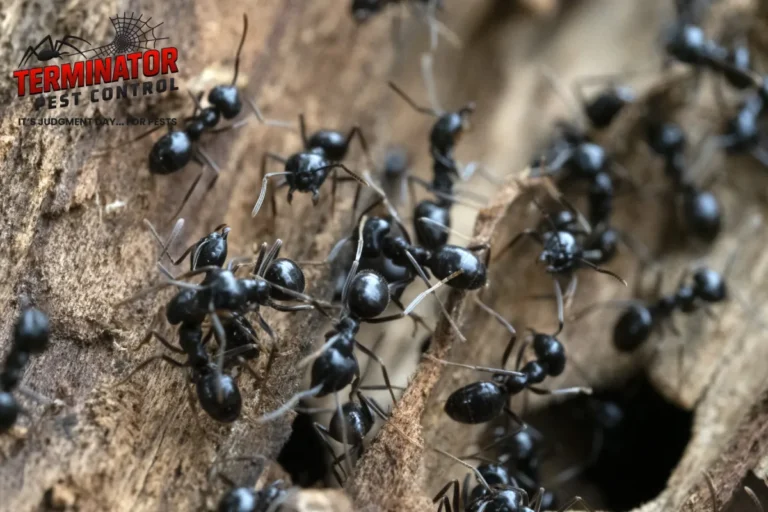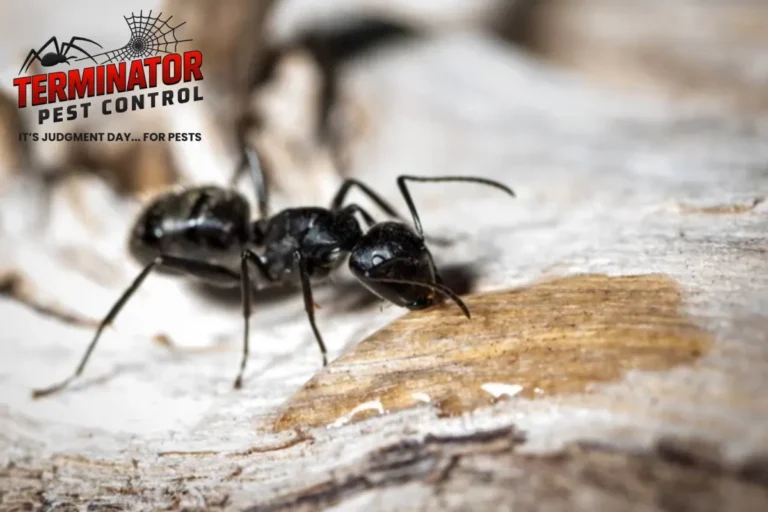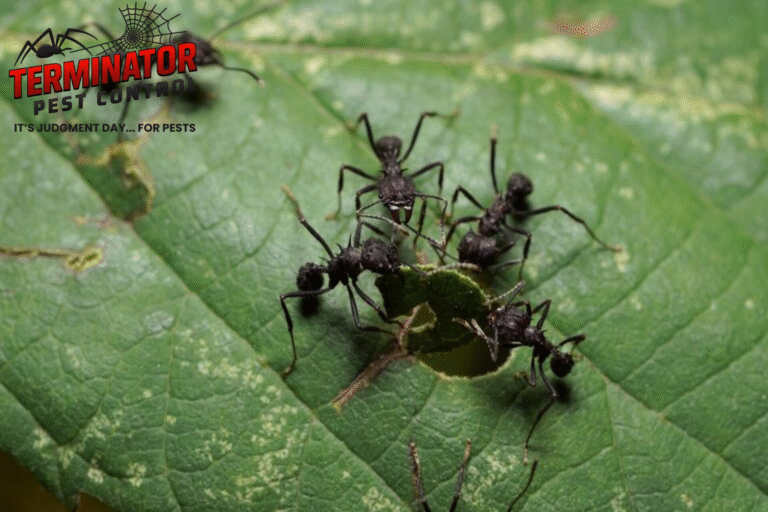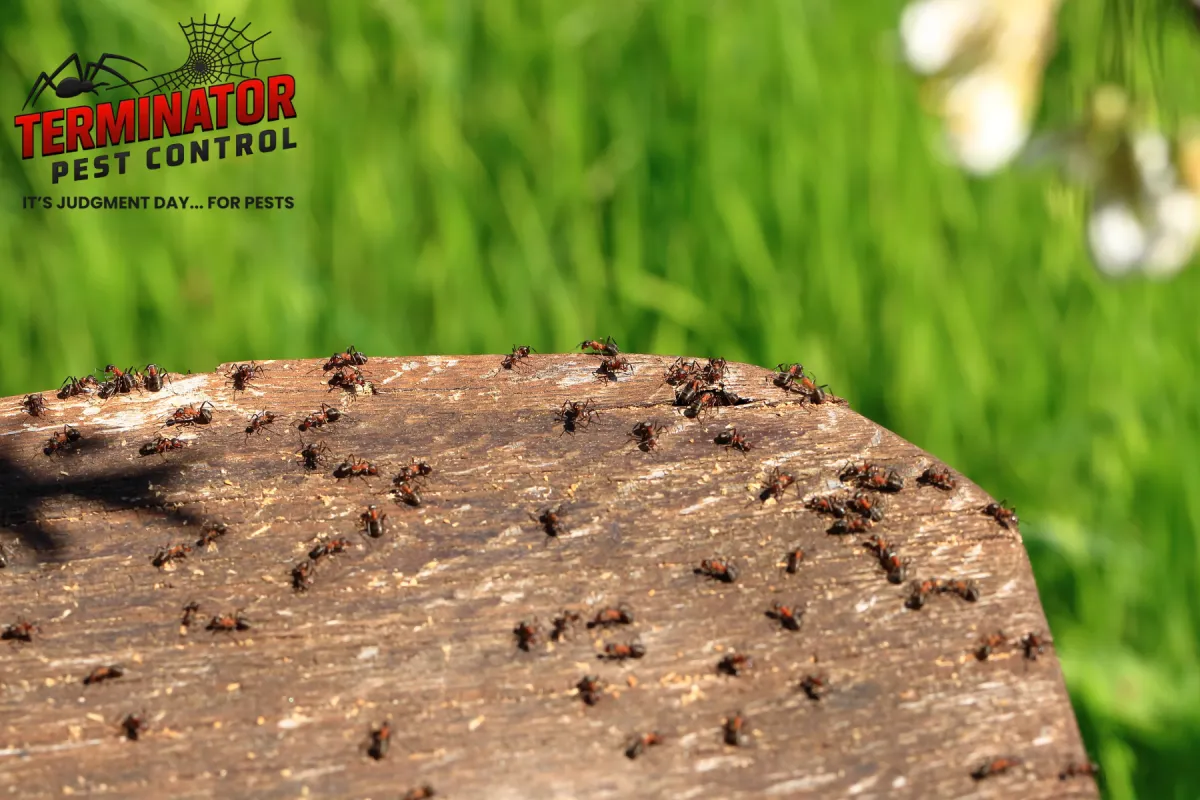

Bait stations are significantly more effective than liquid contact sprays for eliminating complete small ant colonies because worker ants carry slow-acting food matrices back to feed the queen and larvae. Fast-acting sprays only kill visible surface foragers on contact, leaving the main nest alive and often triggering colony budding.
Finding a line of tiny insects marching across your kitchen counter or bathroom sink can be frustrating. When faced with an invasion, many homeowners reach for aerosol spray to stop the bugs in their tracks. While a liquid spray provides quick satisfaction by killing visible bugs, it rarely solves the underlying problem.
To permanently clear your home of pests, you have to eliminate the reproductive core of the colony, specifically the queen and her developing larvae. Understanding the difference between surface-level sprays and slow-acting bait stations is the key to choosing a solution that works for good.
5-Step Comparison: How Baits and Sprays Impact Colony Lifecycles
Evaluating how each pest control option interacts with an insect nest helps you understand why baits consistently outperform surface sprays over time.
- Targeting the Queen versus Surface Foragers: Liquid sprays only impact the small percentage of worker ants actively hunting for food on open surfaces. Bait stations take advantage of foraging behavior, using workers to transport toxic food matrices straight to the hidden queen.
- Social Feeding and Food Sharing: Ants share food through a natural process called trophallaxis, where workers ingest liquids and pass them along to other nest members. Baits use this social behavior to spread active ingredients throughout the entire nest, whereas sprays kill workers before they ever make it back home.
- Speed of Action versus Colony Mortality: Sprays offer immediate knockdown on contact, but leave the core nest completely unharmed. Baits work slowly over several days, giving workers enough time to distribute the food matrix throughout the colony before dying.
- Preventing Nest Budding: Repellent sprays can alarm multi-queen species, causing them to split a single nest into several satellite colonies across your home. Baits do not startle the colony, preventing secondary infestations from forming inside wall voids.
- Long-Lasting Protection: Sealed bait stations protect the food matrix from moisture, dust, and sunlight while keeping active ingredients safely contained away from children and pets. Exposed sprays degrade quickly when exposed to light and air.
During a recent home inspection, our team providing Pardeeville pest control found that a homeowner had repeatedly sprayed the kitchen baseboards. The repellent chemical caused the ant colony to split, creating three separate trailing paths in adjacent rooms.
Direct Comparison: Bait Stations vs. Contact Ant Sprays
Selecting the right product depends on whether you want instant relief on a countertop or complete eradication of the entire nest.
Comparison Table: Performance Breakdown
| Feature / Metric | Enclosed Ant Bait Stations | Contact Liquid Ant Sprays |
| Primary Target | Hidden nest, larvae, and egg-laying queen | Visible adult worker ants on open surfaces |
| Kill Mechanism | Ingestion and social food sharing | Absorption through outer body shell on contact |
| Speed of Results | 3 to 7 Days (Systemic colony reduction) | Instant to 24 Hours (Immediate surface relief) |
| Eradication Rate | High (Eliminates the entire colony source) | Low (Temporary surface control only) |
| Risk of Nest Budding | Minimal (Does not alarm the colony) | High (Triggers colony splitting) |
| Placement Safety | Enclosed matrix protected from contact | Open liquid residue on floor and counter surfaces |
When dealing with recurring indoor swarms of small ants, choosing an enclosed bait system ensures you address the nest source rather than chasing scattered workers around your house.
Key Specifications & Technical Definitions
Trophallaxis
The natural exchange of liquid food and nutrients between members of an insect colony, which allows slow-acting bait to reach the queen and larvae.
Colony Budding
A defensive reaction where stressed insects split a single nest into multiple smaller colonies throughout a building after being exposed to repellent sprays.
Non-Repellent Active Ingredient
A specialized chemical formulation that insects cannot smell or detect, allowing them to walk over or eat the material without avoiding the area.
Foraging Radius
The total distance worker insects travel from their central nest to find food and moisture inside or around a structure.
Slow-Acting Toxicant
An active ingredient designed to delay mortality, giving worker insects plenty of time to carry food back to the main nest before dying.
Applying Our Specialized Service Strategy to Solve This
At Terminator Pest Control, we believe in solving pest issues through intelligent, targeted care rather than spraying random chemicals around baseboards. Backed by over 100 years of combined expertise, our family-owned team focuses on safety, efficiency, and long-term prevention.
Our comprehensive treatment framework centers on three core principles:
- Thorough Property Audits: Once we properly identify the insect species, our team will inspect your building for structural and sanitation conditions that may contribute to an infestation.
- Low-Impact Precision Applications: We strive to make a low environmental impact and strategic applications specifically designed for complete colony management.
- Family-Focused Protection: Our expert technicians provide fast, reliable solutions to keep your home and family protected, ensuring all treatments are secure and tailored to your specific household needs.
Homeowners seeking professional pest control in Pardeeville, WI appreciate our commitment to eco-friendly, long-lasting solutions that keep living spaces clean and safe.
Debunking the Industry Myth: Spraying Ants Kills the Infestation
A widespread myth is that seeing dead bugs right after using a store-bought spray means your infestation is solved. It feels satisfying to watch insects stop moving instantly, leading many people to believe the job is done.
In reality, surface sprays create a false sense of security. Kills on contact only affect the small fraction of worker insects out searching for food. The queen, who stays hidden deep within wall voids or under foundation slabs, laying hundreds of eggs daily, remains completely unharmed. Even worse, many store-bought sprays contain strong repellent chemicals. When worker ants detect these harsh chemicals, they send warning signals back to the main nest, causing the colony to split into multiple smaller nests throughout your home.
When property owners in Pardeeville call for professional pest control in Pardeeville, our technicians focus on non-repellent methods that quietly eliminate the nest without scattering pests into other rooms.
People Also Ask
Q: Why do I see MORE ants around bait stations right after putting them out?
A: Seeing more insect activity around a fresh bait station is actually a great sign! The station contains attractive food matrices that draw workers in. They gather the food and recruit others from the nest, carrying the active ingredient back to the queen.
Q: Should I clean away ant trails with household cleaners before placing bait?
A: No. Do not wipe away active trails with harsh cleaners right before placing bait. Worker insects follow invisible scent trails to navigate; leaving these paths intact helps guide the rest of the colony directly to the bait station.
Q: Can I use aerosol bug spray and bait stations at the same time?
A: No. You should never spray liquid insecticides near or on top of bait stations. Spraying repellents onto a bait station contaminates the food matrix, causing insects to avoid the bait entirely.
Q: Why is hiring professional pest control better than using store-bought baits?
A: Over-the-counter baits often use a single generic sugar or protein formula that may not match what the colony is currently eating. Professional technicians identify the exact species, select custom bait formulations, and place them along structural travel routes for complete nest removal in Pardeeville.
Q: What are the most common small ants found inside homes?
A: Common species found inside Wisconsin homes include pavement ants, little black ants, thief ants, acrobat ants, and small honey ants. Each species requires specific baiting strategies based on its nesting habits.
Eradicate Ant Nests with Targeted Colony Solutions
When dealing with persistent indoor infestations, fast-acting sprays only provide temporary relief while risking worse problems through colony splitting. Using slow-acting bait stations ensures the active ingredients reach the heart of the nest, eliminating the colony at its source.
At Terminator Pest Control, we are dedicated to restoring your peace of mind with safe, reliable, and family-focused solutions. Whether you need an immediate inspection or long-term protection through our Gold or Platinum Pest Protection Plans, our team treats your property with care and attention to detail.
Tired of fighting recurring insect swarms on your counters? Contact our friendly team to schedule your home inspection!