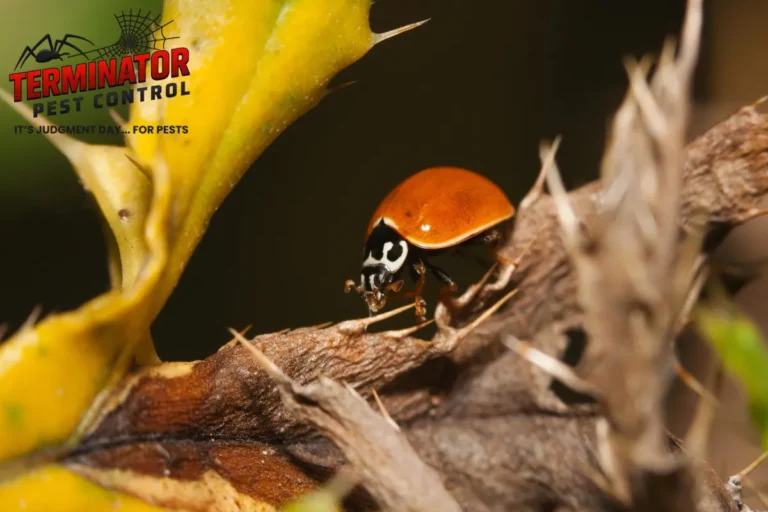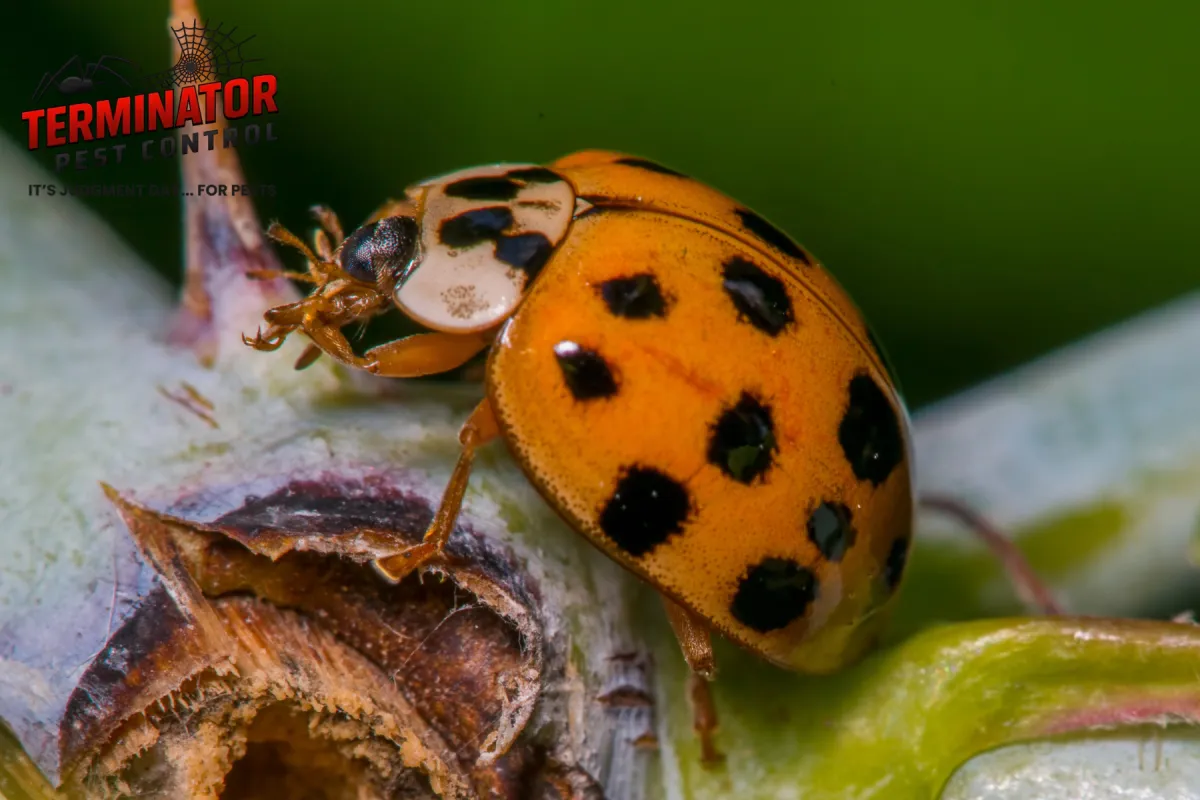

Asian lady beetles swarm the sunny sides of homes every fall because they’re looking for a warm, sheltered place to spend the winter, not because your house did anything wrong. They’re drawn to light-colored surfaces that catch afternoon sun. The single biggest thing that stops them is sealing their entry points (gaps around siding, soffits, window and door trim) before the first hard frost, usually early-to-mid October in our part of Wisconsin. Once they’re already inside a wall void, they’re a lot harder to deal with.
Why This Isn’t Just a Bigger Ladybug Problem
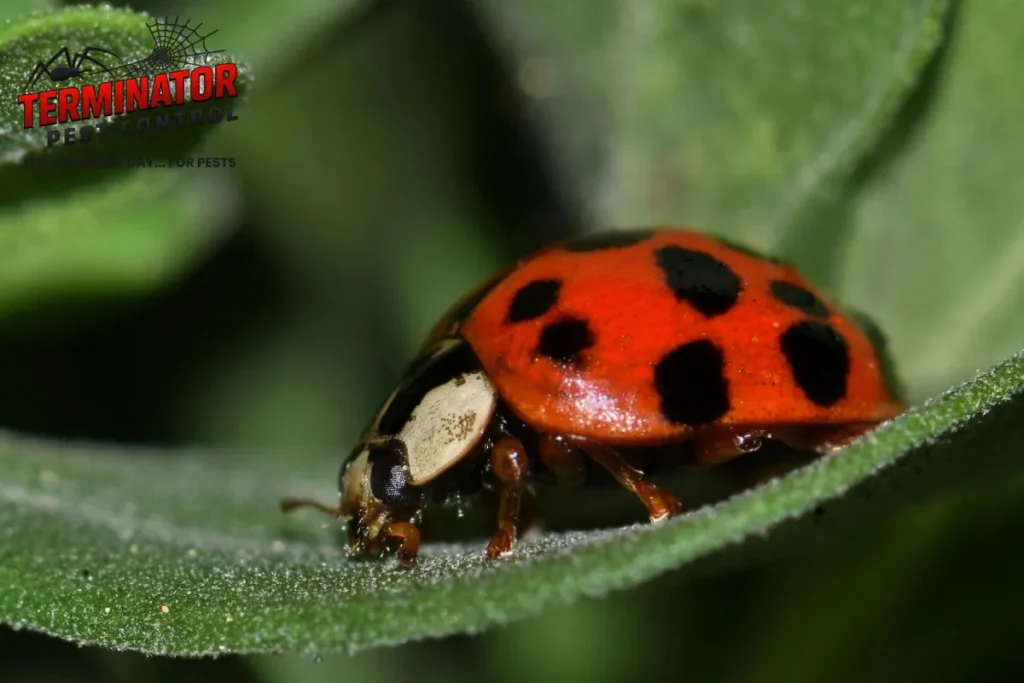
People call these ladybugs, and I get why, but the Asian lady beetle is a different species than the native ladybugs most of us grew up with. You can usually tell them apart by an M or W-shaped marking right behind the head, and the color range is wider (orange, red, sometimes almost yellow) compared to the more consistent red-with-black-spots look of native species.
The behavior is the bigger difference, though. Native ladybugs don’t swarm your house looking for shelter. Asian lady beetles evolved to overwinter in cliff crevices, and here in Wisconsin, the south and west-facing wall of a house on a sunny fall afternoon looks close enough to a cliff face that they pile on by the hundreds.
Why the Timing Matters More Than the Product
This is the piece I wish more people knew before they call: once temperatures start dropping consistently into the 40s at night, usually early-to-mid October around Cambria and Columbia County, these beetles start actively searching for cracks to get into. If you wait until you’re already seeing them clustering on the siding, you’re behind. The window that actually matters is the week or two before that first real cold snap, when we can treat entry points on the outside before the beetles commit to a spot.
That’s also why a lot of people are frustrated with what they tried the year before. Treating the beetles after they’re already inside the wall void doesn’t touch the ones that haven’t gotten in yet, and it does nothing for next fall’s swarm. Exterior perimeter treatment timed ahead of that first frost is what actually breaks the cycle year over year. For homeowners dealing with recurring beetle activity, professional pest control in Madison, WI can help target the problem before the next seasonal swarm begins.
Why You Shouldn’t Just Squish Them
If you’ve ever vacuumed or squished a big cluster of these, you know the smell and the yellow staining they leave behind; that’s a defensive fluid they release when threatened, and it can stain light-colored walls, curtains, and carpet. A vacuum with a disposable bag is a much better way to deal with the ones that are already inside than squishing them or applying a product around light fixtures.
For homes that get hit hard every year, I also walk the exterior looking for the specific gaps: around window AC units, where siding meets trim, gaps in soffit vents, and old caulk lines that have shrunk and pulled away. Sealing those does more for next year than anything applied after the fact. If the problem keeps coming back, an experienced exterminator in Madison, WI can also help identify vulnerable entry points and develop a more effective prevention plan.
Straight From the Truck: What I See Out Here
I grew up watching this happen on our own farmhouse; the south wall would turn orange some October afternoons, and it’s one of the most common calls we get from Labor Day through the first hard frost. What I tell people every year is the same thing: this isn’t about your house being dirty or old; it’s about sun exposure and gaps, and both of those are fixable. The houses that stop getting hit hard aren’t the ones that treat the beetles after they show up; they’re the ones that let us seal and treat the exterior ahead of the cold snap. For homeowners looking to prevent recurring infestations, Madison pest control can help address these exterior entry points before the beetles settle in.
Frequently Asked Questions
Are Asian lady beetles harmful to people or pets?
They’re not dangerous, but they can bite (a light pinch, really) if handled, and the odor and staining fluid they release when disturbed can bother people with allergies or asthma in large numbers.
When should I schedule fall pest treatment for lady beetles in Wisconsin?
Aim for the two to three weeks before your area’s first hard frost. In Columbia County, that’s usually sometime in early-to-mid October, but it shifts year to year, so keep an eye on the forecast rather than a fixed date.
Why do they only cluster on one side of my house?
They’re following the sun. The side that gets the most direct afternoon light, usually south- or west-facing, warms up the most and reads as the best overwintering spot to them.
Will sealing my house completely stop lady beetles?
It significantly reduces the number that get in, but no house is perfectly sealed, especially older construction. Combining exterior sealing with a properly timed perimeter treatment is what gets you the best result.
Where This Fits
This is part of Terminator Pest Control’s fall seasonal pest coverage alongside boxelder bugs, another cliff-dwelling insect that does the same thing to Wisconsin homes every autumn. Both fit under our Residential Pest Control program, where we handle exterior perimeter treatments timed to your property, not a generic calendar date.
Next Step
If your place gets hit every fall, the window to actually get ahead of it is now, before the first hard frost. Call us now, and we’ll get you scheduled for a perimeter treatment while it still makes a difference.