

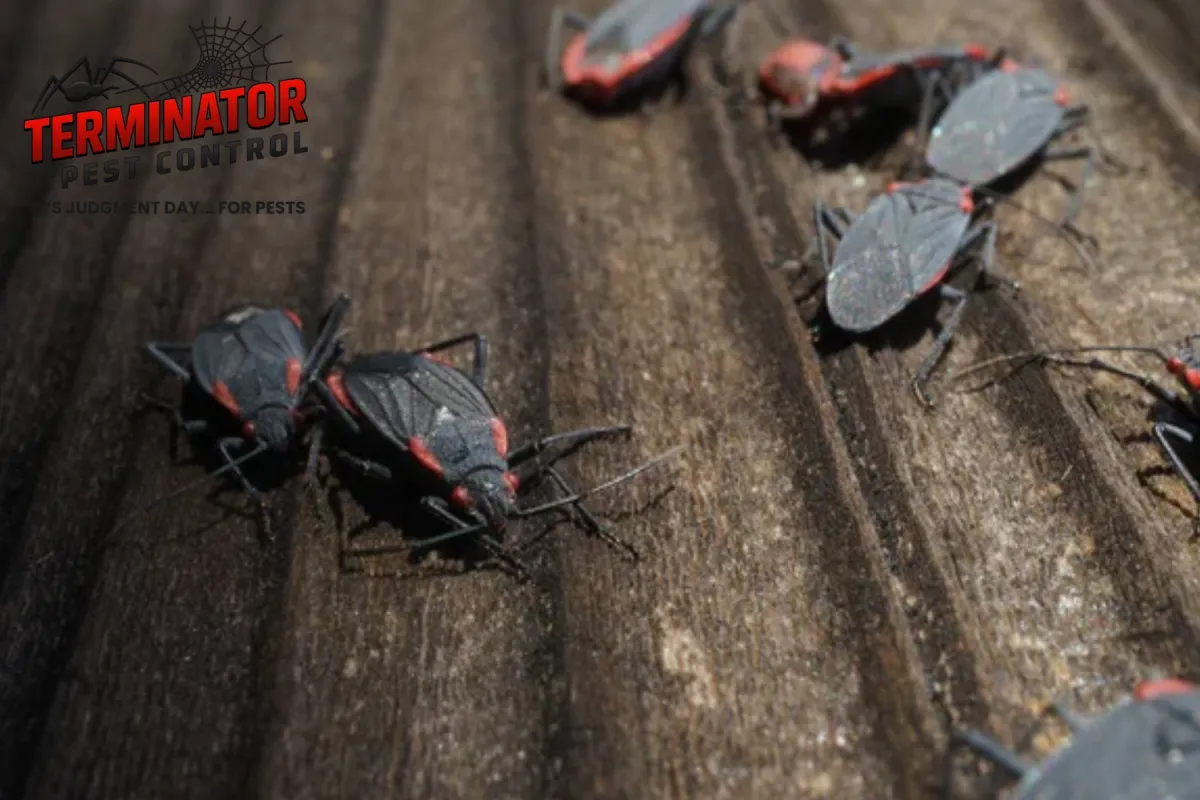

The best time to treat boxelder bugs is during late summer and early autumn, specifically from late August through October. Performing targeted perimeter applications during this window neutralizes the insects while they congregate on exterior walls, completely intercepting their seasonal migration before they can slip into wall voids and indoor living spaces for winter hibernation. Taking swift action before the first major frost ensures that your property remains entirely bug-free throughout the colder months.
Quick Reference: Seasonal Boxelder Bug Behavioral Shifts
To permanently halt a boxelder bug invasion, your preventive actions must align with their life cycle. Waiting until these distinct black-and-orange pests are already walking across your living room ceiling means you are dealing with an infestation that actually took root months earlier. This comparison table outlines how their habits change across seasons and identifies the precise operational windows for effective containment.
| Season / Window | Insect Location & Behavior | Primary Diet / Activity | Treatment Efficacy & Goal |
| Spring (Apr – May) | Emerging from walls to move outdoors. | Feeding on fallen seed pods; laying eggs. | Low – Insects are rapidly dispersing away from the structure. |
| Summer (Jun – Aug) | Hidden deep inside host tree canopies. | Sucking sap from boxelder, maple, and ash trees. | Moderate – Difficult to target directly due to widespread canopy cover. |
| Late Summer (Late Aug – Sept) | Gathering on sun-exposed exterior siding. | Warming themselves; looking for overwintering gaps. | Peak Efficiency – Maximum population is exposed on flat structural surfaces. |
| Autumn (Oct – Nov) | Actively crawling into wall voids and attics. | Seeking dark, insulated pockets for winter survival. | Time Critical – Last chance to apply a residual barrier before entry. |
| Winter (Dec – Mar) | Dormant inside structural wall spaces. | Hibernating; occasionally emerging indoors on warm days. | Invasive Phase – Direct exterior treatments are completely ineffective. |
Technical Specifications of Boxelder Bug Microclimate Preferences
These insects navigate their surroundings using highly predictable biological and physical reflexes. Understanding these traits makes it much easier to intercept them before they cross into your home or business. Professionals track these specific technical factors to determine exactly when and where to deploy defensive shields for pest control in Stoughton, WI:
Positive Phototaxis
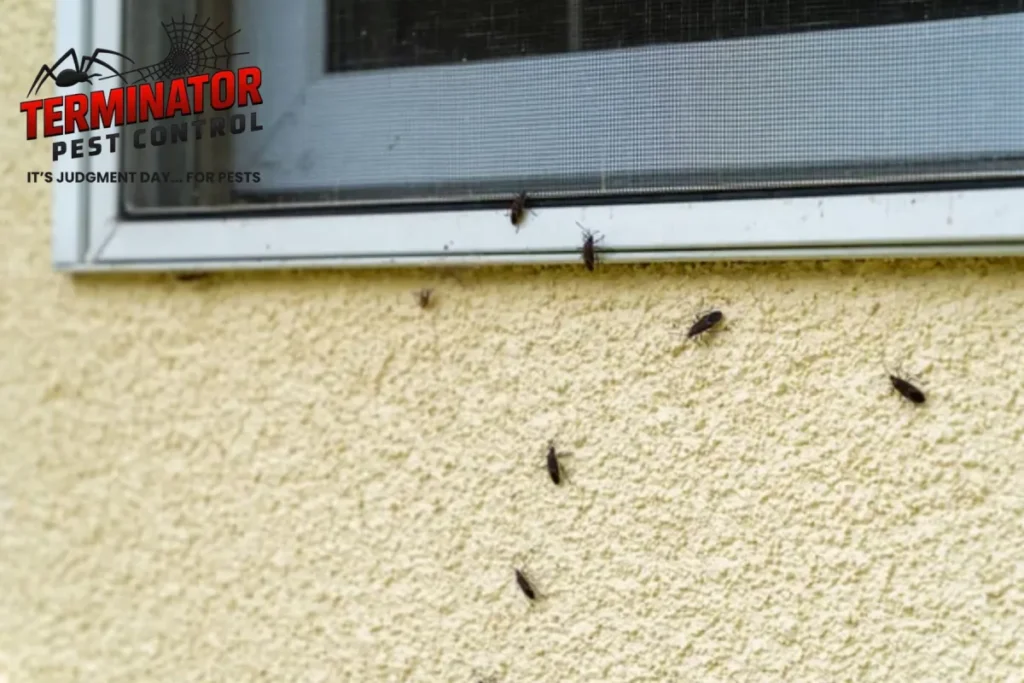
The biological instinct that draws boxelder bugs toward bright light and radiant warmth. This reflex causes thousands of adult bugs to blanket the sun-drenched south and west faces of buildings during crisp autumn afternoons.
Host Tree Specificity
The insect’s reliance on seed-bearing female boxelder, silver maple, and ash trees. Properties located within a 100-yard radius of these specific trees face substantially higher pest pressures.
Overwintering Pheromone Trails
Chemical markers left behind by scouting insects. Boxelder bugs follow scent trails left by previous generations, leading them to use the exact same structural entry points year after year.
Diapause Trigger Threshold
The physiological hibernation state is brought on by drops in ambient temperature (below 50°F) and shortening daylight hours, prompting an immediate mass movement toward building interiors.
Debunking the Myth: “Treating Inside Your Rooms in Winter Solves the Problem”
A frustrating and widespread misconception among property owners is that spraying a retail insecticide along interior baseboards during the winter will eradicate a boxelder bug issue. When these pests suddenly slow-crawl across your kitchen counters on a sunny January afternoon, it is completely natural to want to grab a commercial spray bottle and start treating the room.
The Reality: Winter indoor sightings are just the tip of the iceberg, and indoor spraying fails to reach the root colony.
When boxelder bugs wake up in your warm living room on a sunny winter day, they aren’t coming in from the outside; they have already been living inside your walls since October. A standard baseboard spray only kills the few bugs that crawl into your living spaces, leaving thousands of hibernating insects completely untouched deep within your wall insulation. Furthermore, using heavy-duty insecticides inside your walls during winter can leave piles of dead insects that attract secondary pests such as carpet beetles and larder beetles.
The actual issue must be solved on the exterior before hibernation begins. During a home inspection for a property in Stoughton, our team opened a small attic panel in mid-winter and found hundreds of bugs clustered near the warmth of a chimney pipe, completely safe from the homeowner’s first-floor retail sprays. This is why professional Stoughton pest control relies on interception rather than reactive indoor spraying.
Applying our “Perimeter Shield Inversion Protocol” to Solve This
To ensure these seasonal invaders never enter your structure, our team implements a specialized preventive strategy: the Perimeter Shield Inversion Protocol. This system establishes a molecular barrier that renders a building’s sun-exposed exterior uninhabitable for migrating insects during pest control in Stoughton.
Our specialized method is built on our core company values of safety, trust, and tailored care. As a family-owned and operated business, we back every service with over 100 years of combined pest control experience. We completely reject generic, cookie-cutter methods. Instead, our team designs a personalized extermination program tailored to your property’s layout and risk factors. Our seasonal treatments create a barrier around your foundation, doors, and windows, using fast, reliable solutions that intercept invading bugs outside before they can threaten your indoor comfort.
We execute this strategy using a strict three-step chronological sequence during the late summer peak:
1. Thermal Facade Inspection: Phase 1: Solar Trapping and Mapping.
Our technicians analyze the property’s architecture, identifying high-risk heat-retaining materials such as dark vinyl siding, brick facades, and unsealed window casings that attract swarming boxelder bugs.
2. Micro-Gap Sealant Exclusion: Phase 2: Architectural Entry Blockade.
We seal structural vulnerabilities before applying any active protective products. Technicians pack micro-mesh screens into brick weep holes and seal gaps around utility lines, rooflines, and attic vents.
3. Micro-Encapsulated Border Application: Phase 3: Residual Molecular Encapsulation.
We apply a professional-grade residual barrier across all mapped staging zones. When bugs land on the treated siding to warm themselves, they absorb the treatment safely and are neutralized before they can crawl inward.
People Also Ask
Do boxelder bugs cause physical damage to a home’s structure or furniture?
No, they do not. Boxelder bugs do not chew wood, tear wall insulation, or damage structural components. They are classified entirely as nuisance pests. However, when they are startled or accidentally crushed, they release a pungent defense fluid that can leave stubborn reddish-brown stains on light carpets, curtains, and furniture fabrics.
Why are boxelder bugs only swarming the south side of my building?
They gather on the south and west walls because those surfaces receive the most direct sunlight throughout the day. Because boxelder bugs are cold-blooded, they rely entirely on external radiant heat to warm their bodies and maintain the energy required to seek out winter shelter inside your walls.
Will trimming down my boxelder trees completely eliminate the bugs?
Trimming or removing host trees helps lower the immediate population on your lawn over time, but it won’t offer a quick fix. Boxelder bugs are strong fliers and can easily travel from host trees located several properties away to swarm your sun-exposed exterior walls. Consistent perimeter defense is still necessary.
Are boxelder bugs dangerous to family pets?
No, they are not toxic or dangerous to dogs or cats. However, they possess a very bitter taste as a natural defense mechanism. If your pet tries to eat or chew on a boxelder bug, the bitter fluid may cause them to drool excessively or experience minor stomach irritation, but it will not cause long-term harm.
How can a homeowner remove boxelder bugs indoors without staining fabrics?
The best approach is to avoid crushing them completely. Use a vacuum cleaner with a hose attachment to gently sweep them up, then empty the canister or bag into a sealed outdoor trash receptacle. Alternatively, you can use a soft broom to sweep them into a container and release them outdoors away from your foundation.
Secure Your Property Safely and Reliably with the Experts
Preventing a disruptive winter bug invasion requires perfect timing and a proactive defense plan. At Terminator Pest Control, we focus on delivering ultimate peace of mind by providing efficient, reliable, and customer-centered solutions that ensure the safety and comfort of homes and businesses. Backed by our extensive field experience, our family treats every property with individual care and meticulous attention to detail, prioritizing high-quality craftsmanship and long-term prevention.
We want you to feel completely secure and reassured, knowing that your property is in the hands of trustworthy industry experts who value consistency and transparency. Whether you are dealing with a sudden autumn swarm or looking to establish a long-term preventative barrier, our friendly professionals are here to guide you every step of the way.
Contact us today to request a free quote or to sign up for one of our customized Gold or Platinum Pest Protection Plans. Let our expert technicians seal your perimeter before the autumn chill sets in.