

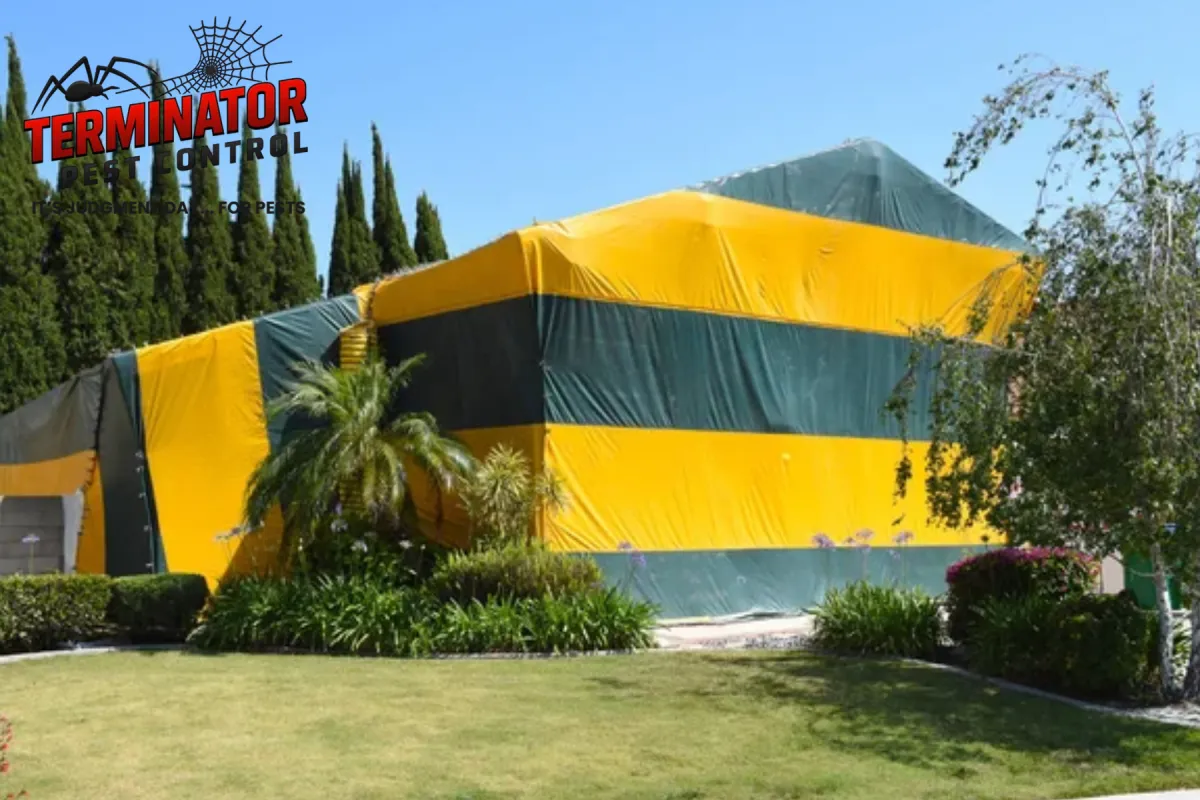

The entire structural fumigation process typically takes 3 to 5 days from the initial preparation to final clearance for safe reentry. The structural exposure to the gas lasts between 24 and 48 hours, followed by a meticulous aeration and multi-point air-quality testing phase that requires an additional 6 to 24 hours to ensure zero chemical trace remains. Planning your temporary relocation within this clear, predictable window guarantees that your property is thoroughly cleared of deep-seated pests and that your family and pets have absolute breathing safety upon your return.
Quick Reference: Structural Fumigation Timeline Breakdown
Structural tenting is a highly coordinated chemical procedure requiring specific mechanical constraints and regulatory verification stages. When dealing with wood-boring insects or widespread infestations, you cannot rely on quick, surface-level sprays. This comparison table outlines the standard time investments required for each operational phase of professional pest control in Madison, WI.
| Phase of Process | Typical Duration | Core Operational Focus | Property Disruption Level |
| Phase 1: Preparation & Tenting | 2 to 6 Hours | Moving out sensitive items, wetting perimeter soil, and securing tarps. | High – Total structural access is restricted; utility shutdowns begin. |
| Phase 2: Gas Exposure & Holding | 24 to 48 Hours | Pumping in the fumigant to saturate internal structural framing and studs. | Critical – Structure is under lethal concentrations; guarded by warning signs. |
| Phase 3: Ventilation & Aeration | 6 to 12 Hours | Unzipping tarps, opening windows, and using high-powered exhaust fans. | Critical – Gas is being safely vented to the atmosphere. |
| Phase 4: Clearance Testing & Reentry | 1 to 3 Hours | Utilizing electronic clearance devices to verify breathing safety margins. | None – Lock sets are changed back; property officially handed over. |
Technical Specifications of Gas Exposure and Aeration Factors
The variance in the treatment timeline is driven entirely by physical and biological requirements. Certified technicians calculate your property’s exact holding schedule based on these fluid dynamics and structural specifications:
Target Pest Biology
The specific target pest type alters overall exposure requirements. For example, eliminating wood-boring powderpost beetles or active drywood termite colonies requires completely different gas concentrations and chemical dwell times than targeting simple bed bug infestations.
Total Structural Volume
Measured in cubic feet. Large properties with multi-story floor plans, complex rooflines, or attached crawlspaces take longer to encapsulate, reach target saturation levels, and be thoroughly cleared during the final aeration curve.
Ambient Outdoor Temperature
Gas molecules expand and move faster in warm weather. If outdoor temperatures drop, the structural holding time must be extended because cold gas penetrates dense timber framing slowly.
Soil and Moisture Density
Technicians soak the soil matrix surrounding your home before tenting. Heavy sand or dry, cracked clay requires extensive wetting to create a proper earth barrier that holds the gas inside the structure, altering setup times.
Debunking the Myth: “You Can Go Back Inside Early If You Don’t Smell Anything”
A dangerous and widespread misconception among property owners is that the absence of a chemical odor means the building is completely clear of gas, allowing you to sneak inside to grab a forgotten item. Many people assume that because a house looks quiet and the tarps are starting to come down, the air inside must be completely safe to breathe. This is why Madison pest control professionals stress that reentry should only happen after proper clearance testing confirms the structure is safe.
The Reality: Structural fumigants are entirely odorless, colorless, and tasteless.
The primary active gas used in professional structural tenting leaves absolutely no trace on your carpets, furniture, or walls. Because you cannot smell or see it, federal safety regulations require technicians to add a microscopic amount of a secondary warning agent, typically chloropicrin (tear gas), into the building before tenting. This warning agent causes watery eyes and a pungent odor to deter unauthorized entry.
However, these trace-tracking chemicals can dissipate or adhere to porous surfaces at a rate that differs from that of the actual toxic gas. The only way to know a building is truly clear is when an experienced exterminator in Madison, WI takes physical readings using specialized electronic air-sniffing equipment. For instance, during a recent structural clearance process for a commercial building in Madison, the smell of tear gas lingered in a deep storage closet even though our electronic meters confirmed that the active toxic fumigant had already dropped to zero, proving that human senses are completely unreliable for validating chemical safety.
Applying our “Dynamic Desorption Framework” to Solve This
To minimize your time away from home without cutting corners on safety, our team implements a proprietary operational process: the Dynamic Desorption Framework. This method applies mechanical fluid dynamics to efficiently accelerate gas clearance.
Our specialized framework relies entirely on our company’s core service standards. We feature a dedicated team of licensed and insured professionals who receive advanced training and use specialized equipment to safely manage complex structural treatments. We don’t believe in cutting corners; instead, we deploy the most effective method for total pest elimination by carefully sealing the commodity’s enclosure and utilizing a powerful gas fumigant, such as phosphine or sulfuryl fluoride. This comprehensive structural fumigation process is designed to completely neutralize infestations, delivering fast-acting results that protect your property investment for the long haul.
We execute the framework using a strict three-step chronological sequence:
1. Pressurized Induction: Phase 1: Target Concentration Stabilization.
We calculate the exact thermodynamic expansion rate of your structure. Once the heavy vinyl tarps are locked down, we introduce the precise gas volume needed to reach target saturation levels quickly, preventing unnecessary extensions of exposure.
2. Mechanical Fluid Extraction: Phase 2: High-Velocity Forced Aeration.
Instead of letting the building vent passively, we deploy high-velocity, industrial negative-air blowers directly into target structural pathways. This actively pulls gas out from deep inside porous drywall, wood studs, and subflooring, shaving hours off the standard aeration curve.
3. Multi-Point Electronic Validation: Phase 3: Parts-Per-Million Safety Clearing.
Our technicians sweep every single room, closet, and enclosed cabinet with a digital clearance device calibrated to detect chemical trace levels down to parts per million. We do not clear the property until every single zone registers zero trace.
People Also Ask
Do I have to remove all food and medicine from the home before tenting?
Yes, unless they are manufactured in original, air-tight glass or metal containers with their factory seals completely intact. Any opened food, medicine, pet kibble, or tobacco must be either removed from the property or sealed in specialized, multi-layered polymer bags provided by your technician. These specialized bags feature heavy protective layers that prevent gas molecules from permeating your edible items.
Will the gas leave a toxic chemical residue on my clothing, carpets, or dishes?
No, it will not. The gases used in professional structural applications are true gases, not mists or fine chemical sprays. They interact cleanly with the atmosphere and dissipate completely during ventilation, without settling onto flat surfaces or leaving oily chemical films behind. You do not need to wash your clothes, bedding, or kitchen dishes upon your return.
What happens to house plants and backyard landscaping during tenting?
Any indoor house plants must be removed completely before the process begins, as the gas is lethal to living plant tissue. For outdoor landscaping, you must trim back tree branches and heavy shrubbery at least 12 inches away from the home’s exterior walls so the heavy vinyl tarps can be dropped straight to the ground. Watering the perimeter soil heavily before setup also helps protect shallow plant roots from absorbing stray gas molecules.
Why is structural tenting preferred over standard localized treatments?
Localized spot treatments can only kill the specific insects that a technician can see or reach with a manual nozzle. If wood-boring beetles or termites are nesting deep inside your main structural support beams or beneath the subflooring, a surface spray will miss them completely. Total gas encapsulation ensures that the treatment flows smoothly through dense timber, destroying 100% of the hidden colony in a single service.
How often do homes require a full gas treatment?
Tenting is typically treated as a singular, deep-remediation solution rather than a recurring routine. Most homeowners only require a major gas treatment once every 10 to 15 years, provided they maintain consistent quarterly perimeter barrier plans to ward off new pests. Pairing this deep treatment with a reliable routine plan is the best way to preserve your structural wood in the long term.
Secure Your Property Safely and Efficiently with the Experts
Tenting a property is a major undertaking that requires absolute precision, strict regulatory oversight, and an unyielding commitment to human safety. At Terminator Pest Control, we focus on delivering ultimate peace of mind by providing efficient, reliable, and customer-centered solutions that protect your environment. Backed by over 100 years of combined industry expertise, our family-owned business treats every home with individual care and meticulous attention to detail, ensuring your peace of mind from setup to final clearance.
We want you to feel completely secure and reassured, knowing that your property is in the hands of trustworthy industry experts who prioritize high-quality craftsmanship and long-term prevention. Whether you are a business manager dealing with a complex commercial storage issue or a homeowner facing an aggressive timber-destroying infestation, our friendly professionals are here to provide clear guidance and reliable care.
Contact us today to request a free quote or to speak with our specialists about our specialized structural protection plans. Let our expert technicians restore your environment so you can live comfortably and stress-free.