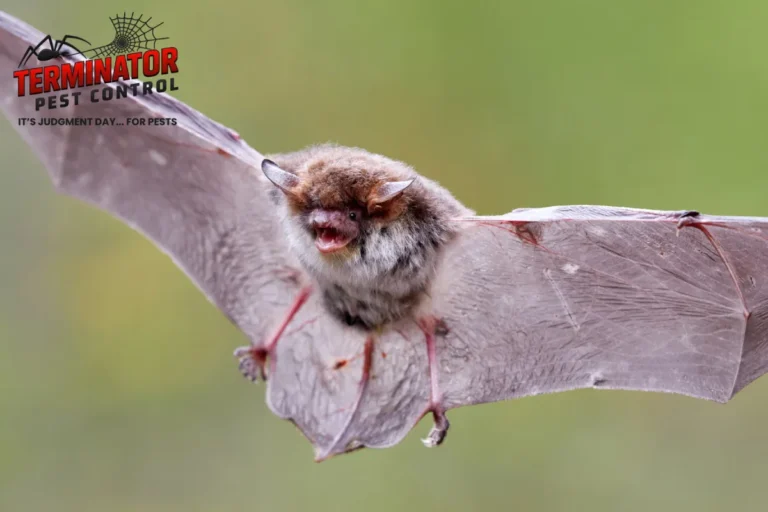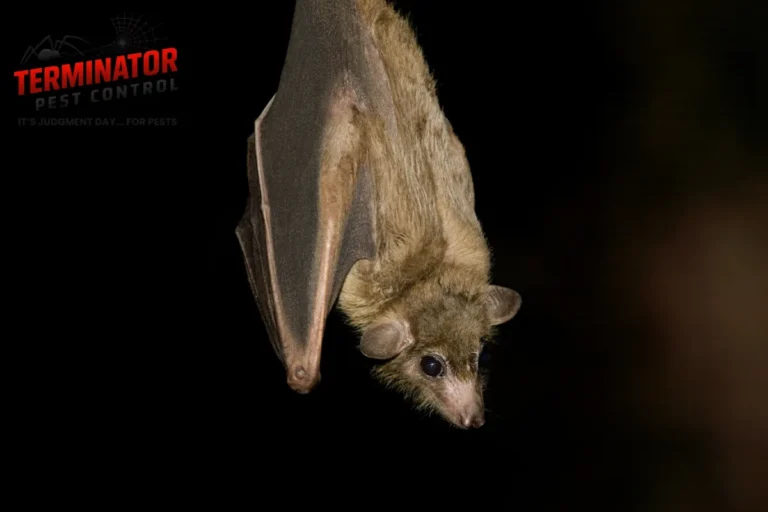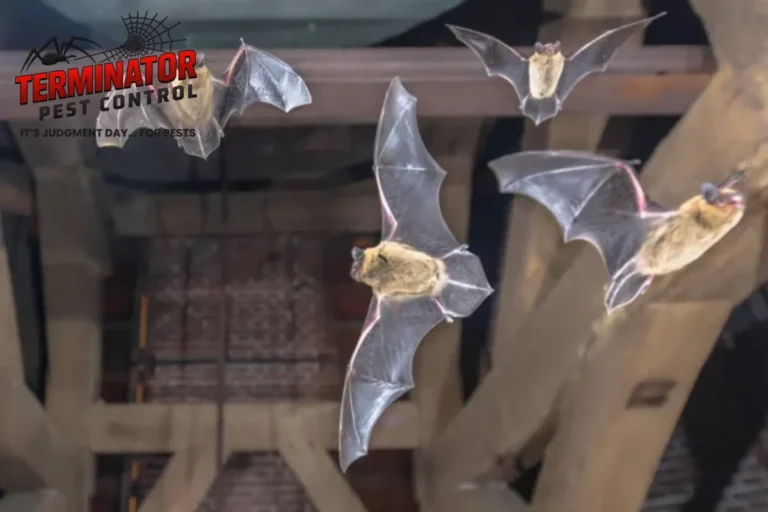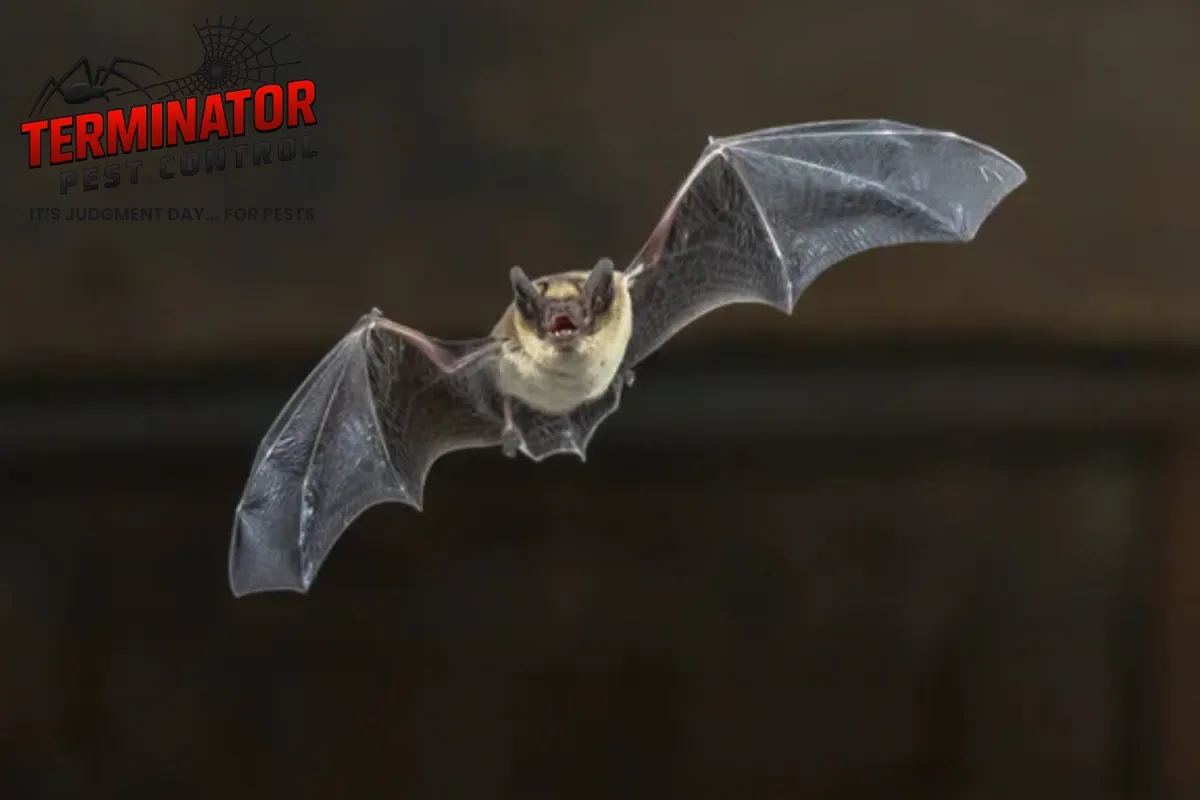

You can differentiate between Big Brown Bat and Little Brown Bat guano primarily by analyzing the size of the droppings and the visibility of insect fragments. Big Brown Bat guano is significantly larger, typically measuring $12mm$ to $14mm$ (about $1/2$ inch), and contains coarse, shiny fragments of beetle wings. In contrast, Little Brown Bat guano is smaller ($4mm$ to $7mm$), more tapered, and crumbles into a fine, powdery soot composed of microscopic remains of moths and gnats.
When you discover mysterious droppings in your attic, your first instinct is often a mix of concern and curiosity. Identifying the source is critical because different species require tailored approaches for removal and attic remediation. In Wisconsin, the two most common uninvited guests are the Big Brown Bat (Eptesicus fuscus) and the Little Brown Bat (Myotis lucifugus). While they may look similar from a distance, their “biological signatures,” specifically their guano, reveal a great deal about who is living above your head.
Guano Identification Comparison: Size, Texture, and Content
To the untrained eye, all bat droppings might look the same. However, When locals search for a Fond du Lac, WI bat exclusion, they are often looking for more than just a quick fix; they are looking for a scientific approach to a complex problem. At the start of every project, our technicians first analyze the physical profile of the waste left behind. Because bats have high-speed metabolisms, their guano provides a literal map of their skeletal structure and dietary habits, allowing us to confirm the species before we even set foot in the attic
Comparison Table of Physical Characteristics
| Feature | Big Brown Bat (Eptesicus fuscus) | Little Brown Bat (Myotis lucifugus) |
| Average Length | $12mm$ to $14mm$ (approx. $1/2$ inch) | $4mm$ to $7mm$ (approx. $1/4$ inch) |
| Diameter | Robust, similar to a large grain of rice | Delicate, similar to a staple or needle |
| Texture | Hard and “crunchy.” | Friable, crumbles to fine dust |
| Insect Fragments | Large, shiny beetle wing plates | Microscopic moth and gnat dust |
| Visual Aspect | Often found in larger, central mounds | Usually scattered or in uniform piles |
Understanding these differences is vital for a successful bat exclusion in Fond du Lac. If we are dealing with big brown bats, we know we are looking for slightly larger entry points, as these bats are more robust and can exert more force to squeeze through gaps in fascia boards or masonry.
The “Crumble Test” and Insect Fragment Analysis
One of the most reliable ways to distinguish species is to look at what they eat. Big brown bats have powerful jaws designed to crunch through the hard chitin of beetles. Their guano reflects this, often appearing “shimmery” or “iridescent” under a flashlight because the beetle shells don’t fully break down during digestion.
Little brown bats, conversely, are the “mosquito specialists.” They consume soft-bodied insects such as moths, gnats, and mosquitoes. Consequently, their guano lacks the large, shiny plates found in Big Brown droppings. If you gently press a sample (always using gloves and a mask), Little Brown guano will disintegrate into a fine, dark soot. This “friability” is a key diagnostic marker. During a recent inspection in Fond du Lac, our team was able to confirm a Little Brown colony simply by the powdery texture of the waste accumulated near the chimney flashing.
Applying Our Comprehensive Exclusion and Prevention Solutions
At Terminator Pest Control, we believe in delivering peace of mind through expertise. Identification is never just for academic curiosity; it informs our comprehensive exclusion and prevention solutions. With over 100 years of combined expertise, our family-owned business knows that a “one size fits all” approach leads to failure.
Humane Bat Exclusion
Once the species is identified, we implement humane bat exclusion. This involves installing one-way devices that allow the bats to exit the home to feed at night but prevent their re-entry. Because Big Brown Bats are larger, the “valves” we use must be sized correctly to prevent them from becoming stuck. We treat every job with care, ensuring the bats are safely returned to the wild where they belong.
Sealing and Structural Reinforcement
Identification also helps us focus our sealing and structural reinforcement efforts. Little Brown Bats can fit through a gap as small as $1/4$ inch, roughly the width of a wedding ring. Our technicians meticulously “harden” your roofline, using high-grade sealants and hardware cloth to ensure that once the exclusion is complete, no future colonies can return to the same scent trails.
Cleanup and Restoration Options
The density of the guano dictates our cleanup and restoration options. Big Brown Bat guano, being heavier, often settles deep into insulation, while the lighter Little Brown guano can become airborne more easily. We provide professional attic remediation, removing contaminated materials and using enzyme-based cleaners to neutralize the pheromones that attract other bats to your home.
Why Professional Matters in Wisconsin
When it comes to your home, you need a partner who is fully licensed, insured, and regulation-compliant. In Wisconsin, bats are protected, and there are strict “blackout dates” during the summer months when flightless pups are present in the attic. Performing a Fond du Lac bat exclusion at the wrong time of year is not only illegal but can lead to a secondary disaster: dead bats trapped in your walls, causing severe odor and sanitation issues.
Our team’s over 100 years of combined expertise means we understand the specific maternity cycles of both the big and little brown species. We prioritize professionalism and transparency, ensuring you are informed about the legal requirements and the biological timelines involved in restoring your home.
Debunking the “Guano is Free Fertilizer” Myth
A common industry misconception we encounter throughout our service areas is the idea that guano in an attic is a “gift” for the garden. We strongly advise against this. While guano is high in nitrogen, guano that has accumulated in a dry, enclosed attic is a breeding ground for Histoplasma capsulatum. This is a fungus that causes histoplasmosis, a serious respiratory infection, when the spores are stirred up and inhaled.
Never attempt to vacuum or sweep bat droppings yourself. Professional remediation requires HEPA-filtered vacuums and specialized “wetting agents” to keep spores from entering your home’s living spaces. Your safety and comfort are our top priorities, and we use eco-friendly, safe methods to sanitize your environment.
Technical Specifications of Bat Guano
- Composition: 10% Nitrogen, 3% Phosphorus, 1% Potassium (high acidity).
- pH Level: Highly acidic; can cause structural damage to wood and metal if left for years.
- Odor Profile: Musky, ammonia-like scent (stronger in high-humidity Wisconsin summers).
- Disease Vector: Primary host for histoplasmosis spores in dry environments.
People Also Ask (FAQ)
Does guano attract more bats?
Yes. Guano contains pheromones that act as a “roosting beacon.” Even after the bats are gone, the scent can attract new colonies from miles away. This is why our cleanup and restoration options include pheromone neutralization.
Can I identify bats by their sound?
While both species use echolocation that is mostly ultrasonic (inaudible to humans), you may hear “chattering” or “scratching” in the walls. Big brown bats tend to produce a deeper, more audible “click” when disturbed, but guano analysis remains more accurate for species identification.
Is one species harder to remove than the other?
Not necessarily, but the strategy differs. Little brown bats often form larger colonies (hundreds of individuals), requiring more expansive exclusion netting, whereas big brown bats often live in smaller groups that can be managed with targeted vents.
How much does a bat exclusion cost?
Pricing depends on the size of the home and the extent of the sealing and structural reinforcement needed. We offer Gold and Platinum Pest Protection Plans, along with tailored quotes, to ensure you get the high-quality service you need without compromising safety.
Restore Your Peace of Mind with Terminator Pest Control
You deserve to feel secure and reassured in your own home. At Terminator Pest Control, our goal is to turn potential customers into long-term partners by providing effective, safe, and professional solutions. Whether you are dealing with a handful of big brown bats or a large maternal colony of little browns, we have the experience to handle the situation with the care and attention to detail it deserves.
We aim to be seen as the industry experts who restore your peace of mind and protect your environment. From the initial identification of guano to the final structural seal, we are your customer-centered pest control partner.
Don’t let a bat infestation disrupt your daily life. Contact us today for a consultation or to request a free quote. Let our family-oriented team, with over 100 years of combined expertise, keep your home or business safe, comfortable, and bat-free.