
Heat treatment eliminates hidden bed bugs by raising the temperature of an infested area to about 120°F and maintaining that temperature for five hours. Terminator Pest Control uses fans, careful placement of household items, and an infrared thermal imager to help heat reach hiding spots such as mattresses, furniture, and cracks while technicians monitor the space throughout treatment.
Why Are Hidden Bed Bugs So Difficult to Eliminate?
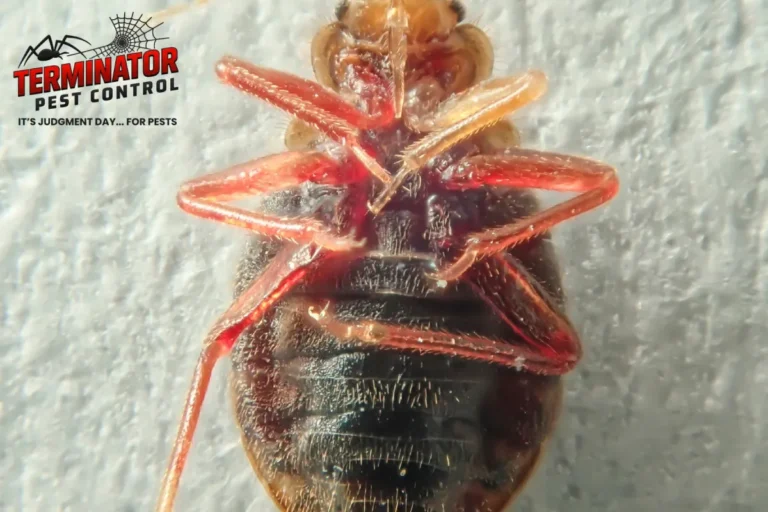
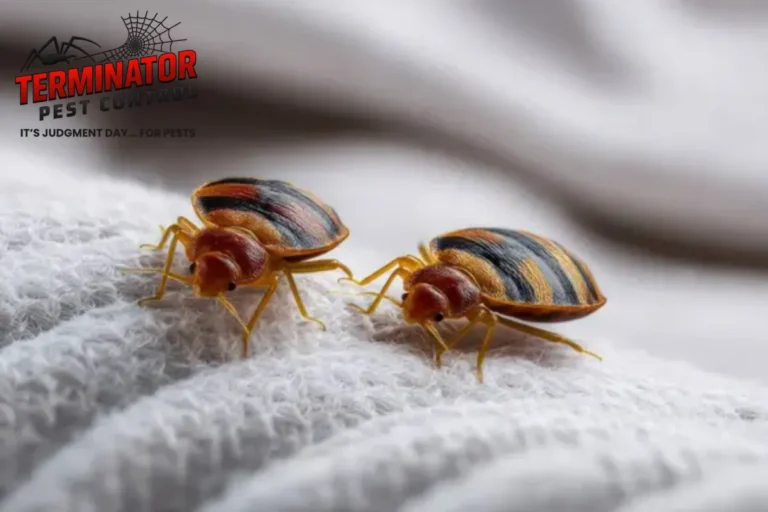
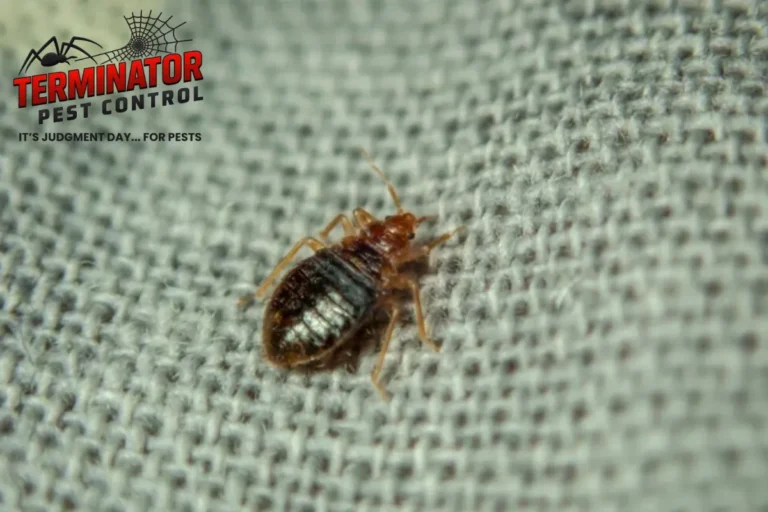
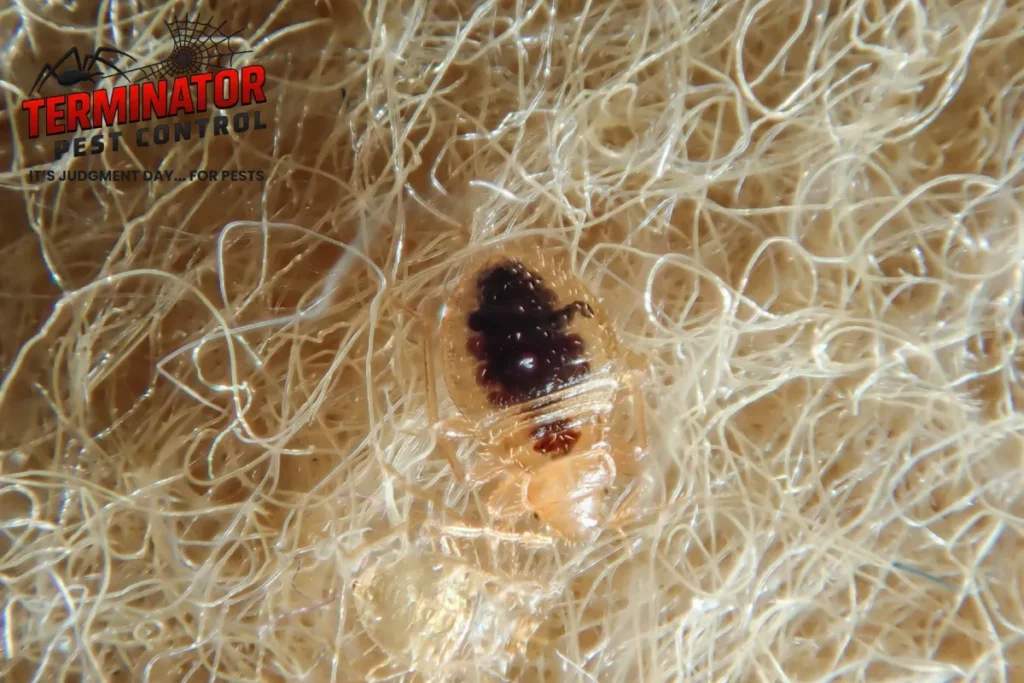
Bed bugs are difficult to eliminate because they can hide in places that are easy to miss. Mattresses, box springs, furniture, cracks, seams, and other household items can provide places for eggs, nymphs, and adult bed bugs to remain hidden.
Seeing fewer bugs does not always mean the infestation is gone. If eggs or live bugs remain in an untreated hiding spot, the problem can continue after the first treatment.
For homeowners researching pest control in Verona, WI, this is an important part of understanding bed bug treatment. The goal is not simply to kill the bugs that are visible. The treatment needs to address the places where bed bugs may be hiding.
Heat takes a different approach from a treatment that depends mainly on direct contact. By raising the temperature throughout the infested area, heat can reach many of the spaces where bed bugs may be present.
How Does Heat Treatment Reach Hidden Bed Bugs?
The basic process is straightforward: technicians raise the temperature of the infested space and maintain the required heat for the treatment period.
Raising Room Temperatures
Terminator’s heat treatment raises the temperature of the infested area to 120°F for five hours. These conditions are used to target bed bugs at every life stage, including eggs.
The goal is not simply to make the room hot. The treatment team has to manage how heat moves through the space so that areas where bed bugs may be hiding receive the needed heat.
Using Fans to Move Heat
Technicians remain at the treatment site throughout the process. They use fans to circulate heated air and strategically move or place household items to help improve heat penetration.
This matters because furniture, bedding, and other objects can affect how heat moves through a room. Moving items during treatment helps technicians address areas that could otherwise remain cooler.
Finding Cold Spots With an Infrared Thermal Imager
An infrared thermal imager is another key part of the process. Technicians use it to monitor temperatures throughout the infested space and pinpoint cold spots.
This gives the technician a way to see temperature differences that may not be obvious from simply standing in the room. If an area is not heating as expected, it can receive additional attention.
What Happens During Professional Heat Treatment?
A professional bed bug heat treatment involves more than turning on heating equipment. Terminator’s process combines preparation, controlled heating, monitoring, and targeted treatment.
1. The Treatment Area Is Assessed
Technicians first consider the affected area and the conditions inside the property. The level of infestation, amount of clutter, building design, and other factors can affect the treatment and any warranty qualification.
This helps the team determine how to approach the space instead of treating every property in exactly the same way.
2. Household Items Usually Stay in Place
One useful part of the process is that, in most cases, homeowners do not need to remove everything from the room.
Terminator states that clothing, bedding, furniture, TVs, computers, and other household items can generally remain inside. In fact, the company recommends leaving most items in place because bed bug eggs, nymphs, and adults can be hiding on or inside household belongings.
This can also reduce the chance of accidentally moving bed bugs to another part of the property.
3. The Temperature Is Raised
Specialized equipment raises the temperature of the treatment area to 120°F. The target temperature is maintained for five hours as part of the treatment process.
During this stage, technicians remain on site and use fans to circulate the heated air.
4. Temperatures Are Monitored
Technicians continuously monitor the treatment area with an infrared thermal imager. The goal is to identify cold spots and improve heat coverage where needed.
This is an important distinction between controlled professional treatment and simply heating a room on your own. The technician is tracking conditions throughout the space rather than assuming the entire room has reached the same temperature.
5. Strategic Insecticide Applications May Be Used
Heat is a major part of Terminator’s approach, but it is not necessarily the only treatment used.
The company states that its experience has led it to use a combination of strategic insecticide applications and thermal remediation. The insecticide is applied to strategic bed bug hiding spots rather than used as a blanket treatment throughout the entire home or room.
This is where Terminator’s minimal insecticide-applied approach fits into the process. The goal is to use insecticide where it provides targeted support while the heat addresses the wider treatment area.
6. The Space Is Checked After Treatment
After the heat treatment is completed, technicians inspect the treated space and make an effort to return the home or room to the condition in which it was found.
Applying Our Thermal Remediation Methods to Solve This
Terminator Pest Control’s thermal remediation methods use controlled heat as the main part of the treatment. The process is built around raising room temperatures, circulating the heat, checking for cold spots, and using targeted insecticide applications when needed.
Thermal Remediation Methods
Thermal remediation means using controlled heat to treat an infested area. Terminator’s process raises the temperature to 120°F for five hours to target bed bugs at every life stage, including eggs.
Instead of requiring technicians to find every individual bed bug, the treatment works across the affected space. This is useful because bed bugs can hide in furniture, mattresses, and other locations that are difficult to inspect piece by piece.
Infrared Thermal Imager
The infrared thermal imager helps technicians locate cold spots during treatment. Since heat may not move evenly through every part of a room, this tool provides a visual way to monitor temperature differences.
If a cold spot is found, the technician can adjust the treatment to give that area more attention.
Strategic Insecticide Applications
Terminator combines thermal remediation with strategic insecticide applications as part of its bed bug treatment approach. These applications focus on strategic hiding spots rather than relying on widespread insecticide use.
The approach is designed to support the heat treatment while keeping insecticide use targeted.
Minimal Insecticide Applied
Minimal insecticide applied is one of the listed benefits of Terminator’s heat treatment. The company’s service information specifies that insecticide is applied to strategic bed bug hiding spots throughout the home or room.
This gives customers a clear picture of how the two parts of the treatment work together: heat addresses the infested space, while targeted applications can provide additional treatment in selected hiding areas.
Up to 90-Day Warranty Protection
Terminator offers up to 90-day warranty protection for qualified clients. Qualification depends on factors such as the amount of clutter, the level of infestation, and the building’s history and design.
The company’s benefits section also identifies the 90-day warranty as being available for qualified clients.
What Makes Heat Treatment Different?
Heat treatment differs from a treatment that relies only on direct application to exposed surfaces.
| Treatment Factor | Professional Heat Treatment | Surface-Focused Treatment |
| Main method | Raises the temperature of the infested area | Applies treatment to selected surfaces |
| Hidden areas | Heat is circulated throughout the treatment space | Access depends on reaching the hidden area |
| Bed bug life stages | Designed to target eggs, nymphs, and adults | Results depend on the product and application |
| Temperature monitoring | Infrared thermal imager used to find cold spots | Not the main part of the treatment |
| Insecticide use | Strategic applications may be used | May rely more heavily on direct applications |
| Preparation | Minimal preparation in most cases | Preparation varies by treatment |
Terminator specifically lists minimal preparation as a benefit and states that, in most cases, personal items should remain inside the home or room.
Why Professional Monitoring Matters
Heat treatment depends on more than reaching a high temperature in one part of a room.
Furniture, clutter, walls, and household items can affect how heat moves. That is why Terminator technicians remain at the treatment site, use fans to circulate air, move household items strategically, and monitor temperatures with an infrared thermal imager.
For homeowners looking into pest control in Verona, this is one of the most useful details to understand. Professional heat treatment is a managed process, not simply a matter of making the room hot.
Common Myths About Bed Bug Heat Treatment
Myth: You Need to Throw Away Your Mattress
Not necessarily. Terminator lists the fact that mattresses and box springs generally do not need to be discarded as one of the benefits of its heat treatment.
Myth: Everything Has to Be Removed From the Home
In most cases, Terminator recommends leaving household items inside because bed bugs can hide on or inside those items.
Always follow the technician’s specific preparation instructions for your property.
Myth: Heat Treatment Means No Insecticide Is Used
Not always. Terminator describes its approach as a combination of thermal remediation and strategic insecticide applications.
When bed bugs are suspected, choosing experienced Verona pest control professionals can help ensure the treatment is handled with the right equipment and monitoring. Professional heat treatment is designed to reach hidden areas where bed bugs and their eggs may be difficult to find.
Myth: A Hot Room Automatically Means the Treatment Is Complete
Temperature has to be monitored throughout the treatment area. Terminator uses an infrared thermal imager to identify cold spots and help technicians address areas that may not be heating evenly.
Key Terms to Know
Thermal Remediation:
A treatment method that uses controlled heat to address bed bugs throughout an infested space.
Infrared Thermal Imager:
A device technicians use to identify temperature differences and cold spots during treatment.
Strategic Insecticide Applications:
Targeted insecticide applications placed in bed bug hiding spots as part of the overall treatment.
Minimal Insecticide Applied:
Terminator’s approach of using insecticide on strategic hiding spots rather than relying on broad application throughout the treatment area.
90-Day Warranty Protection:
Warranty protection of up to 90 days for qualified clients, with qualification based on factors including clutter, infestation level, building history, and design.
What Should You Do Before Treatment?
Terminator’s service information says that preparation is minimal in most cases, and personal items can generally remain inside the home or room.
Before treatment:
- Follow the technician’s instructions. Your property may have specific preparation needs.
- Leave household items in place unless instructed otherwise. Moving items can also move bed bugs.
- Tell the technician where you have seen bed bugs. This can help with the treatment plan.
- Ask about heat-sensitive items. Your technician can explain what should be handled differently.
- Give technicians access to the affected areas. This allows them to inspect, heat, monitor, and treat the space properly.
People Also Ask
How does bed bug heat treatment work?
It raises the temperature of the infested area to 120°F for five hours. Fans circulate heated air while technicians monitor temperatures throughout the space and look for cold spots with an infrared thermal imager.
Can heat treatment kill bed bug eggs?
Yes. Terminator states that its heat treatment is designed to destroy bed bugs at every life stage, including eggs.
Do I need to throw away my mattress?
Usually, no. Terminator lists keeping mattresses and box springs as one of the benefits of its heat treatment, although individual situations can vary.
Do I need to remove my belongings before treatment?
In most cases, no. Terminator says that clothing, bedding, furniture, TVs, computers, and other household items can remain inside because bed bugs may be hiding on or inside them.
Does heat treatment use insecticide?
Terminator’s process can include strategic insecticide applications. The company describes its approach as a combination of thermal remediation and targeted insecticide use.
How long does the treatment take?
Terminator’s treatment raises the infested area to 120°F for five hours. The total service time can also include preparation, monitoring, equipment setup, and post-treatment work.
Does Terminator offer a warranty?
Qualified clients may receive up to 90-day warranty protection. Eligibility depends on factors such as clutter, infestation level, building history, and building design.
Get Help With a Bed Bug Problem
Bed bugs can hide in places that are difficult to reach, which is why treatment needs to address more than the insects you can see.
Terminator Pest Control uses thermal remediation, controlled room temperatures, fans, infrared thermal imaging, and strategic insecticide applications to treat infested spaces. The company also lists minimal preparation, minimal insecticide use, and up to 90-day warranty protection for qualified clients among the benefits of its service.
If you have found bed bugs in your home, apartment, or business, contact us today to discuss your options and request an inspection. The team can assess the situation, explain the treatment process, and help you determine the next step toward getting the space back to normal.