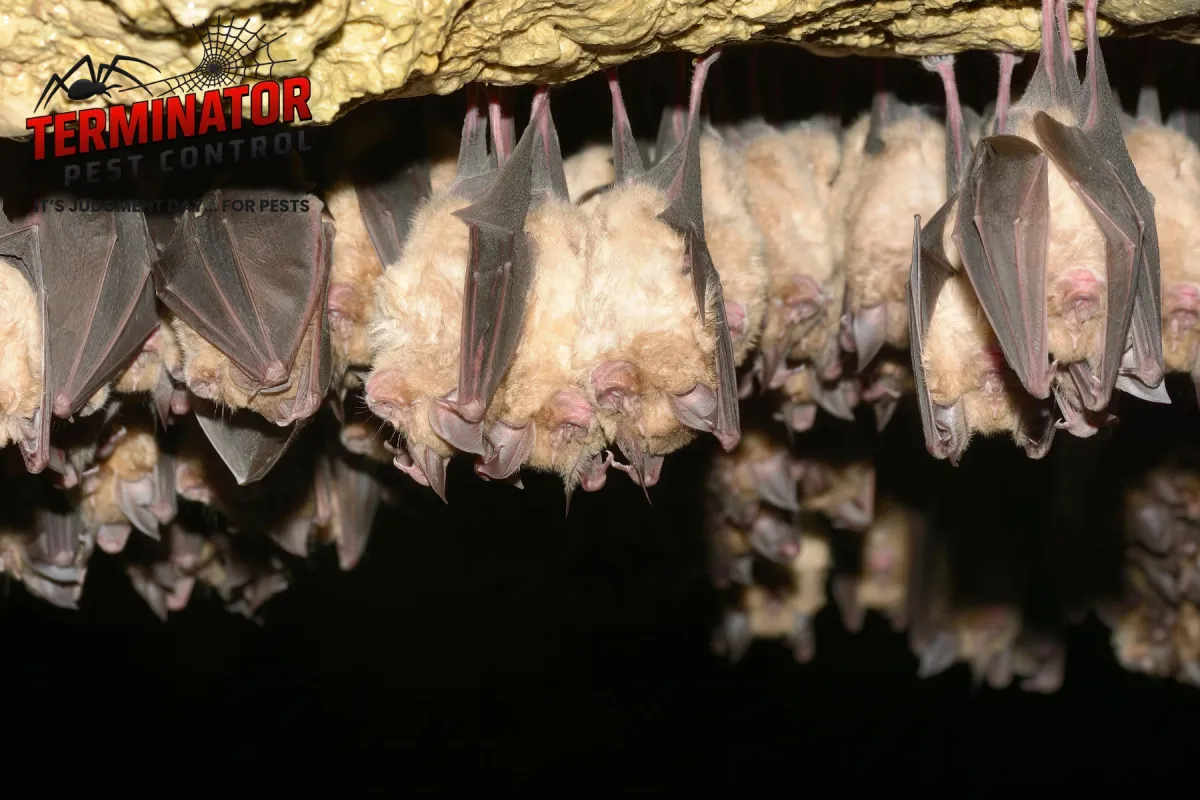

Bat exclusion works by finding where bats are entering a structure, installing one-way devices that let them leave safely, and sealing those openings after they have vacated. This process removes the immediate problem while addressing the access points that could allow bats to return.
What Is Bat Exclusion?
Bat exclusion is a process that focuses on both the bats inside a structure and the openings they use to get inside. Instead of simply removing bats and leaving the access points open, professional exclusion uses one-way devices and permanent sealing to reduce the chance of repeat activity.
The process starts with a detailed inspection of areas such as the attic, roofline, vents, soffits, and siding. Technicians look for signs of activity, including droppings and small openings that may serve as entry points.
This matters because removing bats without addressing the opening can leave the structure vulnerable to another visit. The goal is to identify how bats are getting inside and then close those routes after the bats have left.
How Does Professional Bat Exclusion Work Step by Step?
A professional exclusion follows several steps. Each one addresses a different part of the problem.
1. Inspect the Structure
The first step is a detailed inspection of the areas where bats may be entering or roosting. This includes:
- Attics
- Rooflines
- Vents
- Soffits
- Siding
- Small exterior openings
- Areas showing signs of bat activity
The inspection helps determine where bats are getting inside and gives the technician the information needed to build a plan for the property.
2. Identify Entry and Exit Points
Once signs of activity are found, the next step is to identify the openings bats are using. Older structures can have small gaps around areas such as vents, eaves, and chimneys, making a careful inspection especially important.
3. Install One-Way Devices
One-way exclusion devices are installed at identified entry points. They allow bats to leave the structure but prevent them from returning through the same opening.
This method works with the bats’ natural movement instead of trapping them inside.
4. Allow Bats to Leave
After the devices are installed, bats can leave the structure on their own. Terminator Pest Control’s documented process does not use harmful chemicals or traps for this part of the service.
The purpose is simple: give bats a safe way out while stopping them from using the same route to get back inside.
5. Seal the Openings
Once the bats have vacated, the identified openings are sealed. Terminator Pest Control uses materials such as metal flashing, weatherproof sealant, and mesh screening for this part of the process.
This step turns the temporary exclusion into a long-term prevention measure.
6. Clean and Restore Affected Areas
Bat activity can leave behind guano and nesting debris. When these materials are found, cleanup and restoration may be needed. The service information also notes insulation replacement when necessary.
How Do One-Way Bat Exclusion Devices Prevent Re-Entry?
A one-way device creates a controlled exit. A bat can leave through the device, but the design prevents it from using that same route to return.
The device is only one part of the process. Once the bats have left, the opening still needs to be sealed. Without that final step, another bat may find the same gap and enter the structure later.
For homeowners researching pest control in Sun Prairie, WI, this distinction is useful. Effective exclusion is not just about getting bats out; it also involves finding and addressing the openings that gave them access in the first place.
Bat Exclusion vs. Simple Bat Removal: What’s the Difference?
Bat removal and bat exclusion are related, but they do not always describe the same work.
| Feature | Bat Exclusion | Simple Bat Removal |
| Main goal | Remove bats and prevent re-entry | Address bats currently present |
| Entry-point inspection | Central to the process | May vary by provider |
| One-way devices | Used to allow exit and block return | May or may not be included |
| Permanent sealing | Part of the prevention process | May not be included |
| Long-term prevention | Focuses on access points | Depends on the service |
| Structural protection | Addresses openings used by bats | May focus mainly on current activity |
Service details can vary, so homeowners should ask what inspection, exclusion, sealing, and restoration work is included before scheduling service.
What Materials Help Keep Bats From Returning?
After the bats have left, durable materials help close the openings they were using.
Metal Flashing
Metal flashing can be used to cover or reinforce vulnerable openings. It provides a physical barrier at areas where bats may try to gain access.
Weatherproof Sealant
Weatherproof sealant helps close gaps and openings around the exterior of a structure. It is one of the materials identified in Terminator Pest Control’s exclusion process.
Mesh Screening
Mesh screening can be used to block openings while creating a durable barrier against future entry.
Definition List: Bat Exclusion Features
One-Way Exclusion Device: A device that allows bats to leave a structure while preventing them from returning through the same opening.
Entry Point: An opening or gap that bats use to enter a structure.
Metal Flashing: A durable material used to cover or reinforce an opening.
Weatherproof Sealant: A sealing material used to close exterior gaps and openings.
Mesh Screening: Screening used to block an opening and help prevent animal entry.
Guano: Bat waste that can build up in areas where bats have been roosting.
Applying Our Humane, Long-Term Bat Exclusion Approach to Solve This
Terminator Pest Control’s approach combines Wisconsin Department of Natural Resources (DNR) guidelines, humane one-way exclusion methods, and local operation into one process. Each part has a specific purpose: follow wildlife rules, let bats leave without trapping them, and address the structure so the problem is less likely to repeat.
Following Wisconsin DNR Guidelines
Bats are a protected species in Wisconsin, so exclusion must be performed during approved periods. The reference page states that Terminator Pest Control follows Wisconsin DNR regulations and that exclusions are restricted from June 1 through August 15 to protect colonies during maternity season.
This means timing is part of responsible bat exclusion. A professional should consider applicable wildlife protections before deciding when exclusion work should take place.
Using Humane One-Way Devices
The next part of the approach is humane removal. One-way devices let bats leave freely while blocking their return. The company’s documented process specifically states that it does not use harmful chemicals or traps for this work.
The focus is on allowing bats to leave naturally rather than trapping them inside the structure.
Sealing for Long-Term Prevention
Once the bats have vacated, the team seals identified openings using materials such as metal flashing, weatherproof sealant, and mesh screening. This addresses the structural access points that allowed the bats inside.
For people comparing Sun Prairie pest control providers, this prevention step is worth asking about. A service that only addresses the bats currently present may not address the reason they entered the building.
Providing Local, Personalized Service
Terminator Pest Control describes itself as a locally operated business with experience handling the pest and wildlife challenges found in local properties. Its process is built around inspecting each property and creating a plan suited to its structure rather than treating every building exactly the same way.
Common Bat Exclusion Myths You Shouldn’t Believe
Myth: Seal Every Opening Immediately
Reality: The documented process uses one-way devices before permanent sealing. This gives bats a way to leave before the openings are closed.
Myth: Bat Exclusion Means Trapping Bats Inside
Reality: One-way devices are designed to let bats exit while preventing them from returning through the same opening.
Myth: Removing the Bats Is Enough
Reality: The entry points still need attention. After the bats have vacated, sealing those openings is an important part of preventing future access.
How Does Bat Exclusion Prevent Future Bat Problems?
Professional exclusion focuses on the access points that allow bats to enter a structure.
- Inspect the property for signs of bat activity.
- Locate entry and exit points around the structure.
- Install one-way devices at appropriate openings.
- Allow bats to leave naturally.
- Seal the openings after the bats have vacated.
- Use durable materials such as flashing, sealant, and mesh.
- Address guano and nesting debris when cleanup or restoration is needed.
The result is a process that addresses both the current bat activity and the structural conditions that allowed it.
When Should You Consider Professional Bat Exclusion?
Repeated bat activity around an attic, roofline, or other part of a building is a reason to investigate how the animals are getting inside. Droppings, nighttime noises, or visible bat activity near a suspected opening can also point to a roost or entry point.
If bats have been removed before but continue to return, the access point may still be open. A detailed inspection can help identify those openings and determine what type of exclusion work is needed.
If you’re looking for an exterminator in Sun Prairie, choose a provider that can explain how it will inspect the structure, allow bats to leave, seal entry points, and address affected areas.

People Also Ask
How Does Bat Exclusion Work?
Bat exclusion starts with an inspection to find signs of activity and entry points. One-way devices then allow bats to leave while blocking their return, followed by permanent sealing once the bats have vacated.
How Do One-Way Bat Exclusion Devices Work?
They allow bats to exit through an identified opening but prevent them from using that same opening to return.
Does Bat Exclusion Trap Bats Inside?
No. The documented approach uses one-way devices specifically to allow bats to leave freely while preventing their return.
How Does Bat Exclusion Keep Bats From Returning?
It combines one-way devices with permanent sealing. Bats can leave through the device, and once they have vacated, the opening is sealed with durable materials.
What Happens During a Professional Bat Exclusion Inspection?
Technicians inspect areas such as the attic, roofline, vents, soffits, and siding for signs of bat activity and potential openings.
What Materials Are Used to Seal Bat Entry Points?
The documented process uses metal flashing, weatherproof sealant, and mesh screening to seal identified openings.
Does Bat Exclusion Include Cleanup?
When guano or nesting debris is found, cleanup and restoration may be recommended. The service information also includes insulation replacement when needed.
When Is the Best Time for Bat Exclusion?
Timing depends on applicable wildlife protections. The reference states that exclusions are restricted from June 1 through August 15 under Wisconsin DNR guidelines to protect colonies during maternity season.
Keep Bats From Returning With Professional Exclusion
Bat exclusion is not simply about getting bats out of a building. It involves finding the access points, using one-way devices to let bats leave, sealing those openings, and addressing affected areas when needed.
Terminator Pest Control brings more than 100 years of combined expertise, personalized service, and a locally operated approach to wildlife and pest control. The company focuses on humane methods, careful inspections, long-term prevention, and professional service.
If bats are entering your home or business, Terminator Pest Control can inspect the property and explain the appropriate exclusion options. Request an inspection or contact the team to discuss your situation and take the next step toward protecting your property.