
Professional pest control works by combining inspection, targeted treatment, prevention, and scheduled maintenance rather than relying on a single treatment. This approach addresses current pest activity while identifying conditions that could allow pests to return, helping protect a property throughout changing seasons.
What Is Year-Round Professional Pest Control?
Year-round pest control is an ongoing approach designed to manage pest activity before it becomes a larger problem. Instead of waiting for an infestation to appear, technicians inspect the property, identify pest activity and entry points, apply appropriate treatments, and return at planned intervals to maintain protection.
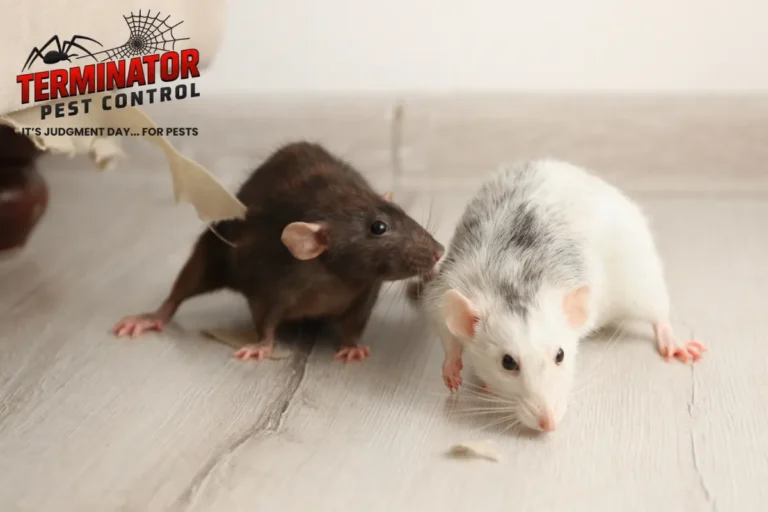
For homeowners looking for Stoughton pest control, recurring service can be useful because pest activity changes with the seasons. Ants, spiders, and stinging insects are more active during warmer weather, while mice and rats may seek indoor shelter as temperatures fall.
The goal is not simply to eliminate the pests visible today. Professional service also looks at why pests are appearing and what can be done to reduce the conditions that attract them.
How Does Professional Pest Control Work Throughout the Year?
A professional pest control program generally follows a series of steps:
1. Property Inspection
The first step is a detailed inspection of the property. Technicians look for visible pest activity, potential entry points, nesting areas, moisture concerns, and other conditions that could contribute to an infestation.
The inspection helps determine which pests are present and where treatment should be focused.
2. Pest Identification
Different pests require different treatment strategies. Identifying the pest correctly helps technicians select an appropriate approach instead of treating every situation the same way.
This is particularly important when seasonal pests appear, since the source of the activity can vary throughout the year.
3. Targeted Treatment
Once the problem has been identified, technicians apply treatments where they are needed. The reference page emphasizes customized treatments and environmentally friendly products, with indoor applications minimized whenever possible.
4. Prevention
Treatment is only part of the process. Technicians also look for conditions that could allow pests to return, including entry points and areas that provide food, shelter, or moisture.
Addressing these conditions can reduce the chance of repeated pest activity.
5. Scheduled Maintenance
Recurring visits help maintain protection as pest pressure changes. Depending on the property and service plan, maintenance can be scheduled quarterly, bi-monthly, semi-annually, or monthly for certain commercial programs.
6. Follow-Up Service
Ongoing programs also provide a way to respond when covered pests return. The Gold and Platinum Protection Plans include unlimited service calls for covered pests, according to the reference page.
Why Does Pest Control Need to Change Throughout the Year?
Pest activity is not the same in January as it is in July.
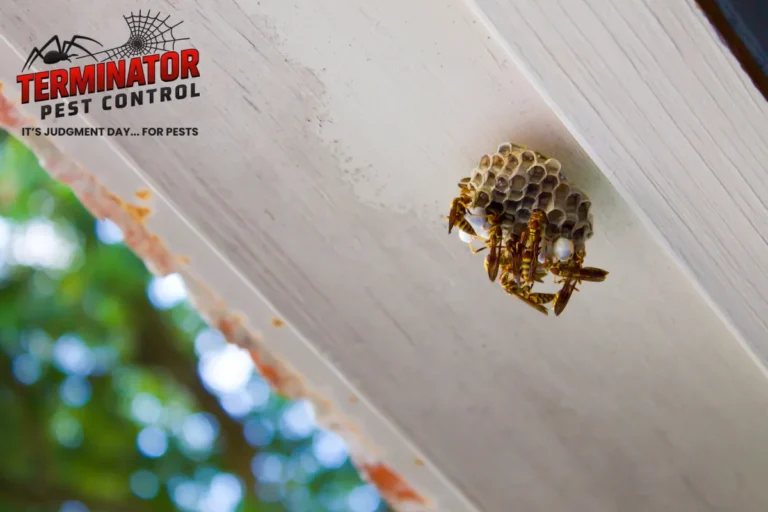
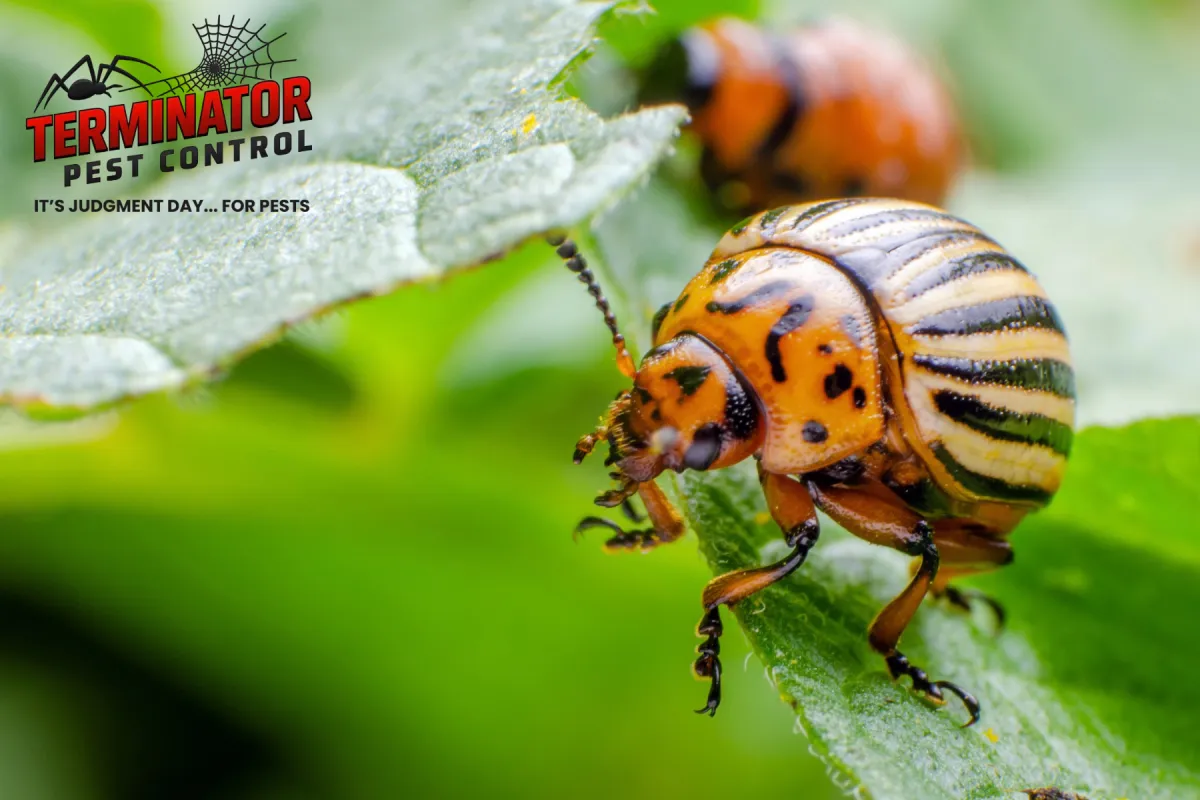
During warmer months, insects such as ants, spiders, wasps, hornets, and yellow jackets can become more active. As temperatures drop, rodents may begin looking for warmth, food, and shelter indoors.
This means a year-round program needs to account for changing pest behavior rather than repeating the exact same treatment at every visit.
For example, exterior-focused prevention can be especially useful during periods of high insect activity, while rodent monitoring becomes more important when mice and rats begin moving toward buildings.
Preventive Pest Control vs. One-Time Treatment
| Preventive Pest Control | One-Time Treatment |
| Designed for ongoing protection | Focuses on a current pest problem |
| Uses scheduled maintenance | Usually involves a single service |
| Adjusts to seasonal pest activity | Addresses the immediate concern |
| Helps identify recurring conditions | May not address future pest pressure |
| Can include follow-up service | Follow-up depends on the service provided |
A one-time treatment can address an immediate issue, but recurring service is structured around continued monitoring and prevention.
How Do Protection Plans Support Year-Round Protection?
Protection plans provide a structured way to maintain pest control instead of arranging individual treatments whenever a problem appears.
Gold Protection Plan
The Gold Protection Plan provides seasonal, exterior-focused coverage for a defined group of common pests, including ants, spiders, silverfish, earwigs, centipedes, boxelder bugs, Asian beetles, wasps, hornets, and yellow jackets.
The plan includes perimeter treatments, interior service when needed, accessible nest removal, and unlimited service calls for covered pests.
This makes the plan focused primarily on seasonal insect prevention and exterior protection.
Platinum Protection Plan
The Platinum Protection Plan expands coverage to customizable, year-round insect and rodent protection.
It includes the pests covered under the Gold Plan as well as mice, rats, crickets, and pill bugs. The plan also includes four to five preventive treatments each year, interior service as needed, accessible nest removal, and unlimited service calls for covered pests.
The key difference is broader year-round coverage that includes rodents as well as insects.
What Makes Professional Pest Control Different?
More Than 100 Years of Combined Expertise
Terminator Pest Control brings more than 100 years of combined expertise to its pest management services. That experience supports a customized approach rather than treating every property and infestation the same way.
Customized Treatment
Professional service begins with understanding the property. Technicians can adjust treatment based on the pest involved, where activity is occurring, and conditions that may contribute to the problem.
Environmentally Friendly Treatments
The reference page states that technicians use environmentally friendly products and aim to minimize unnecessary indoor applications whenever possible.
Ongoing Protection
Recurring plans provide a consistent schedule for maintaining protection. They also give customers a clear process for requesting service when covered pests return.
How Does Professional Pest Control Handle Seasonal Pest Activity?
A year-round program may adjust its focus as pest behavior changes:
- Spring: Ants and other insects begin becoming more active as temperatures rise.
- Summer: Wasps, hornets, spiders, mosquitoes, and other insects can create increased pest pressure.
- Late summer: Continued exterior monitoring can help address nests and recurring insect activity.
- Fall: Rodents may begin searching for indoor shelter as temperatures decline.
- Winter: Indoor rodent activity can become more noticeable as mice and rats seek warmth and food.
- Throughout the year: Scheduled maintenance helps identify and address new activity before it develops into a larger problem.
This seasonal approach is one reason recurring service can be more useful for long-term prevention than waiting until an infestation becomes obvious.
Residential vs. Commercial Pest Control
| Residential Service | Commercial Service |
| Protects homes and living spaces | Protects business and commercial properties |
| Focuses on household pests | Adjusts to industry-specific pest risks |
| May use recurring maintenance plans | May use monthly, bi-monthly, or quarterly plans |
| Designed around household needs | Designed to minimize disruption to operations |
| Includes customized treatment | Includes detailed inspections and customized programs |
For businesses, pest control also has to account for employees, customers, inventory, and daily operations. The reference page notes that commercial programs are tailored to the property’s industry and can use flexible maintenance schedules.
What Should You Expect During Your First Service?
A first professional visit typically begins with an inspection rather than immediately treating every area.
The technician evaluates the property, identifies signs of pest activity, determines where treatment is appropriate, and discusses a service approach based on the findings.
For someone comparing an exterminator in Stoughton, WI, it is useful to ask what the initial inspection covers, which pests are included, how often follow-up visits occur, and whether the service includes additional calls when covered pests return.
Understanding the service structure beforehand makes it easier to choose a maintenance schedule that matches the property’s needs.
Common Pest Control Myths
Myth 1: One Treatment Solves Every Pest Problem
A single treatment may address an active infestation, but it does not necessarily prevent future pest activity. Recurring problems can require continued monitoring and prevention.
Myth 2: Pest Control Is Only Necessary When You See Pests
Pests can enter through small openings or remain hidden until activity increases. Regular inspections can identify signs of a problem before it becomes obvious.
Myth 3: Every Pest Requires the Same Treatment
Different pests behave differently and may require different treatment strategies. Professional inspections help determine where and how treatment should be applied.
Myth 4: Recurring Pest Control Means Constant Indoor Treatment
Not necessarily. The reference page specifically notes that customized treatments can minimize unnecessary indoor applications, while some protection plans focus heavily on exterior prevention.
Key Pest Control Terms to Know
Property Assessment: An inspection used to identify pest activity, entry points, and conditions that may contribute to an infestation.
Targeted Treatment: Applying pest control treatment to areas where it is needed rather than treating every part of a property indiscriminately.
Preventive Service: Scheduled pest management intended to reduce the likelihood of recurring pest activity.
Seasonal Protection: Adjusting pest control efforts based on changes in pest behavior throughout the year.
Protection Plan: A recurring service program that combines scheduled treatments with follow-up support for covered pests.
Customized Pest Control: A treatment approach based on the property’s pest activity, conditions, and specific protection needs.
How Often Should Professional Pest Control Be Scheduled?
There is no single schedule that fits every property. The right frequency depends on the pests involved, the level of pest pressure, the property’s conditions, and the selected service plan.
Residential maintenance may be scheduled quarterly, bi-monthly, or semi-annually, while commercial programs may use monthly, bi-monthly, or quarterly service.
For a Stoughton exterminator, the important question is not simply how often treatment occurs, but whether the schedule provides enough monitoring and prevention for the property’s specific pest risks.
People Also Ask
How Does Professional Pest Control Work?
Professional pest control typically combines inspection, pest identification, targeted treatment, prevention, and follow-up service.
Is Professional Pest Control Worth It for Year-Round Protection?
Recurring professional service can provide ongoing monitoring and scheduled prevention instead of addressing pest problems only after they become noticeable.
What Is the Difference Between One-Time and Recurring Pest Control?
One-time service focuses on an immediate pest problem, while recurring service provides scheduled treatments and ongoing prevention.
How Often Should Professional Pest Control Be Done?
The appropriate frequency depends on the property, pest pressure, pest species, and selected service plan. Residential and commercial programs may use different schedules.
Does Professional Pest Control Prevent Pests From Coming Back?
Professional pest control can reduce the conditions that contribute to recurring pest activity, but no treatment can guarantee that pests will never return.
Can Professional Pest Control Handle Seasonal Pests?
Yes. Professional programs can adjust treatment and monitoring as different pests become more active throughout the year.
Protect Your Property Year-Round
Effective pest control is not just about responding when pests appear. A combination of inspection, targeted treatment, prevention, and scheduled maintenance provides a more consistent way to protect your property through changing seasons.
Terminator Pest Control combines customized service, environmentally friendly treatments, protection plans, and more than 100 years of combined expertise to help homeowners and businesses maintain dependable pest protection.
Request an Inspection to discuss your property’s pest control needs and find a service approach that fits your situation.