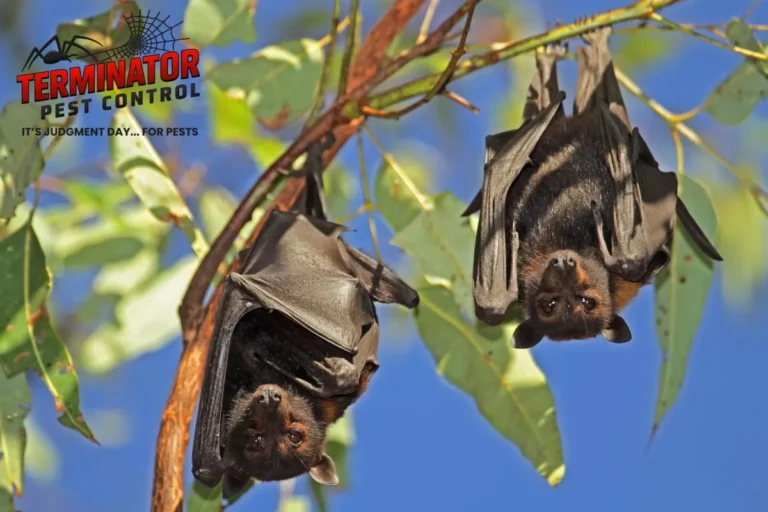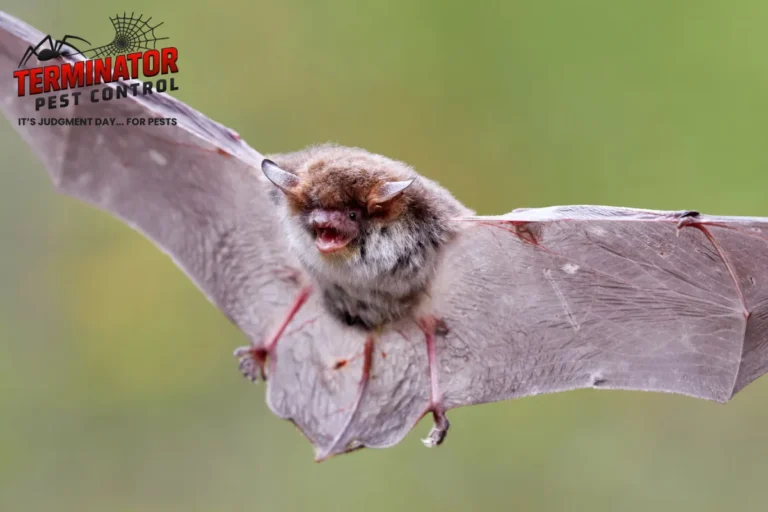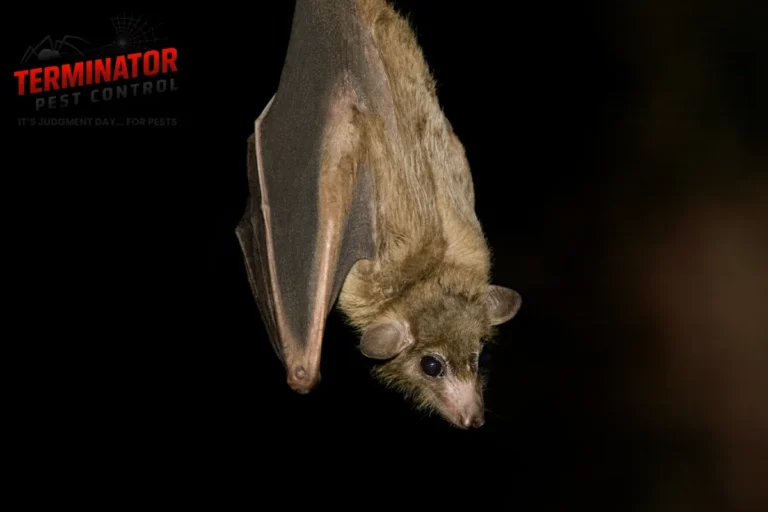

One-way bat exclusion devices allow bats to leave your home while preventing them from crawling back inside. These smooth tubes, cones, or netting valves are installed directly over primary exit holes after all other secondary gaps are sealed. When bats fly out at dusk to feed, the device’s smooth interior and angled exit prevent them from getting a grip to re-enter, safely clearing the colony without harm.
How One-Way Bat Exclusion Devices Function
Bat exclusion relies on a bat’s natural behavior. Bats typically leave their roost in the evening to hunt for insects and drink water.
- Locate the Primary Entry Point
Inspect the structure to identify the main bat entry point and seal other gaps or openings. - Install a One-Way Exclusion Device
A smooth-bore one-way valve device is installed over the active entry point. - Allow Bats to Exit Naturally
At dusk, bats leave the roost to forage, passing through the device as they exit. - Prevent Re-Entry
The one-way design prevents bats from returning through the same opening after they have exited. - Remove the Device and Permanently Seal the Entry
Once the exclusion period is complete and the bats have left, the device is removed, and the entry point is permanently sealed.
The removal process follows six steps:
- Primary Access Identification: Technicians locate primary entrance points along fascia boards, soffits, or rooflines, identifiable by guano deposits and dark, oily rub marks left by bat fur.
- Peripheral Gap Sealing: Every secondary gap larger than a quarter-inch across the entire roofline is sealed using heavy-gauge mesh and outdoor sealants before the exclusion valve is mounted.
- Device Mounting: The one-way exclusion device is secured over the main opening, angled downward to work with gravity.
- Voluntary Evening Exit: As the sun sets, bats move down the device and exit into the open air to forage.
- Physical Re-Entry Block: When bats return at dawn, they attempt to land near the hole but cannot climb up the slick, smooth surface or push past the angled netting flap.
- Device Removal & Final Sealing: After 3 to 7 days of monitoring to confirm zero bat activity, the device is removed, and the entry point is permanently sealed.
Comparison of Primary One-Way Exclusion Hardware
Different structural entries require specific types of exclusion devices. Matching the right device to the building layout ensures bats leave quickly and safely.
| Device Type | Ideal Structure / Entry Point | Primary Advantage | Material / Construction |
| Exclusion Cones | Rooflines, fascia gaps, and soffit junctions | Rigid shape maintains a clear downward exit path | Smooth polycarbonate or rigid PVC |
| Exclusion Tubes/Sleeves | Brick voids, wall tile openings, narrow gaps | Flexible fit for tight, irregular wall crevices | Smooth vinyl or slick PVC hose |
| Heavy-Duty Netting Valves | Large openings, long ridge vents, wide eaves | Covers broad exit zones with multiple bats | UV-resistant polyethylene netting |
Essential Exclusion Device Specifications and Features
To understand how these tools work without harming wildlife, review the core features built into professional hardware:
- Quarter-Inch Rule: The structural standard dictating that any gap larger than 1/4 inch (0.63cm) must be sealed, as small bats can squeeze through tiny cracks.
- Smooth-Bore Interior: The ultra-slick surface lining inside exclusion tubes that eliminates foothold leverage for bat claws.
- Weighted Mesh Flap: A gravity-dependent mesh curtain at the tube exit that lifts easily under outward pressure but drops flat against inward re-entry attempts.
- Maternity Season Window: The legal blackout period when exclusion devices cannot be installed, preventing flightless young from being trapped inside while mothers hunt.
Debunking Common Myths About Bat Removal and Exclusion
When homeowners hear scratching noises in the attic, panic can lead to poor choices. Here is the truth behind common myths regarding bat control.
Myth 1: “Trapping and moving bats to a forest is better for them.”
Fact: Trapping bats in cages causes extreme stress and leads to high mortality rates. Bats have strong homing instincts and travel miles to return to their roost. Cage traps also risk injuring their delicate wing membranes. Performing professional bat exclusion using one-way valves allows them to fly out naturally without direct handling.
Myth 2: “Ultrasonic noise emitters or high-intensity lights will drive bats out permanently.”
Fact: Ultrasonic pest repellers and bright attic lights rarely solve bat problems. Established colonies adapt quickly or crawl deeper into insulated wall voids where noise and light cannot reach them. Physical exclusion is the only proven solution.
Myth 3: “You can perform bat exclusion at any time of year.”
Fact: Installing exclusion devices during summer breeding months (typically June 1 through August 15) traps flightless baby bats (pups) inside. This leads to pup mortality, bad odors, and frantic mother bats trying to find alternate ways into your living spaces.
Applying Our Humane Exclusion Protocols to Solve Bat Infestations
At Terminator Pest Control, we strictly adhere to Wisconsin DNR regulations and best practices for humane wildlife management. Our humane methods use one-way devices to protect both your property and local bat populations. With over 100 years of combined expertise, our family-owned company focuses on long-term prevention while keeping your home secure.
During a recent property inspection for a home, our team spotted bat droppings along an upper eave line near a chimney gap. Rather than using harsh or unsafe methods, we performed a thorough inspection, sealed secondary openings, and installed smooth-bore one-way valves according to strict state guidelines. Within a few nights, the entire colony exited safely to relocate to natural outdoor roosts, leaving the home completely bat-free.
Our process covers four steps:
- Complete Property Audit: We inspect your roofline, soffits, ridge vents, and gable vents to locate all active and potential entry gaps.
- Precision Exclusion Installation: We mount custom-fitted one-way valves over primary exit holes, ensuring bats can fly out without getting stuck.
- Full Perimeter Sealing: Technicians seal all secondary cracks across your structure using durable, weather-resistant materials to prevent bats from finding a new way in.
- Follow-Up and Permanent Closure: Once we confirm all bats have safely left, we remove the devices and permanently seal the remaining openings.
Whether you need seasonal home inspections or complete Stoughton pest control support, our team delivers safe, reliable solutions every step of the way.
What to Do If You Notice Bats on Your Property
If you see bats exiting your roof at dusk or hear scratching in your ceiling, follow these steps:
- Keep Your Distance: Never touch a bat with bare hands. While bats are beneficial for controlling mosquitoes, they can carry diseases if handled directly.
- Do Not Block the Hole Yourself: Sealing an entry hole without checking for roosting bats can trap them inside your walls, leading to bad smells and indoor hazards.
- Check for Indoor Entry Points: Ensure your attic hatch is tightly closed and seal any gaps around ceiling vents or utility pipes.
- Schedule a Professional Inspection: Contact licensed experts who understand local wildlife rules and can safely handle the exclusion process.
If you suspect an active colony, hiring a professional for pest control in Stoughton, WI ensures your home is protected without violating state wildlife laws.
People Also Ask
How long must a one-way exclusion device stay on a house?
Exclusion devices typically stay in place for 3 to 7 days during warm, weather. This gives every bat in the colony enough time to leave the roost to feed. In cooler weather, devices may stay up longer until night temperatures rise consistently above 50°F.
Will bats die inside walls when using a one-way exclusion device?
No. When installed outside of maternity season and after sealing secondary gaps, adult bats voluntarily leave through the device to hunt for food. Once outside, they simply find another natural roosting spot, such as trees or bat houses.
What happens if an exclusion device is put up during maternity season?
If devices are installed while flightless baby bats are in the attic, the mothers can leave to hunt, but the young cannot follow them down the tube. This traps the young inside, leading to pup mortality, severe odors, and adult bats attempting to chew through drywall to reach their young.
Can I build a DIY one-way bat valve using plastic sheeting or mesh?
While DIY netting setups exist, improper materials or loose seals often result in bats getting tangled, finding unsealed gaps nearby, or getting trapped inside. Professional-grade rigid tubes and angled netting ensure a safe exit.
Protect Your Home with Terminator Pest Control
Dealing with bats in your attic can be stressful, but you do not have to handle it alone. At Terminator Pest Control, our goal is to deliver true peace of mind through professional, trustworthy, and family-oriented service. We believe in doing the job right the first time with complete transparency, care, and attention to detail.
Whether you need immediate help with wildlife or want year-round defense through our Gold or Platinum Protection Plans, our friendly technicians are ready to assist you. If you need trusted pest control in Stoughton, we are here to help protect your living environment.
Ready to secure your roofline and clear out unwanted pests safely? Schedule your assessment today!