

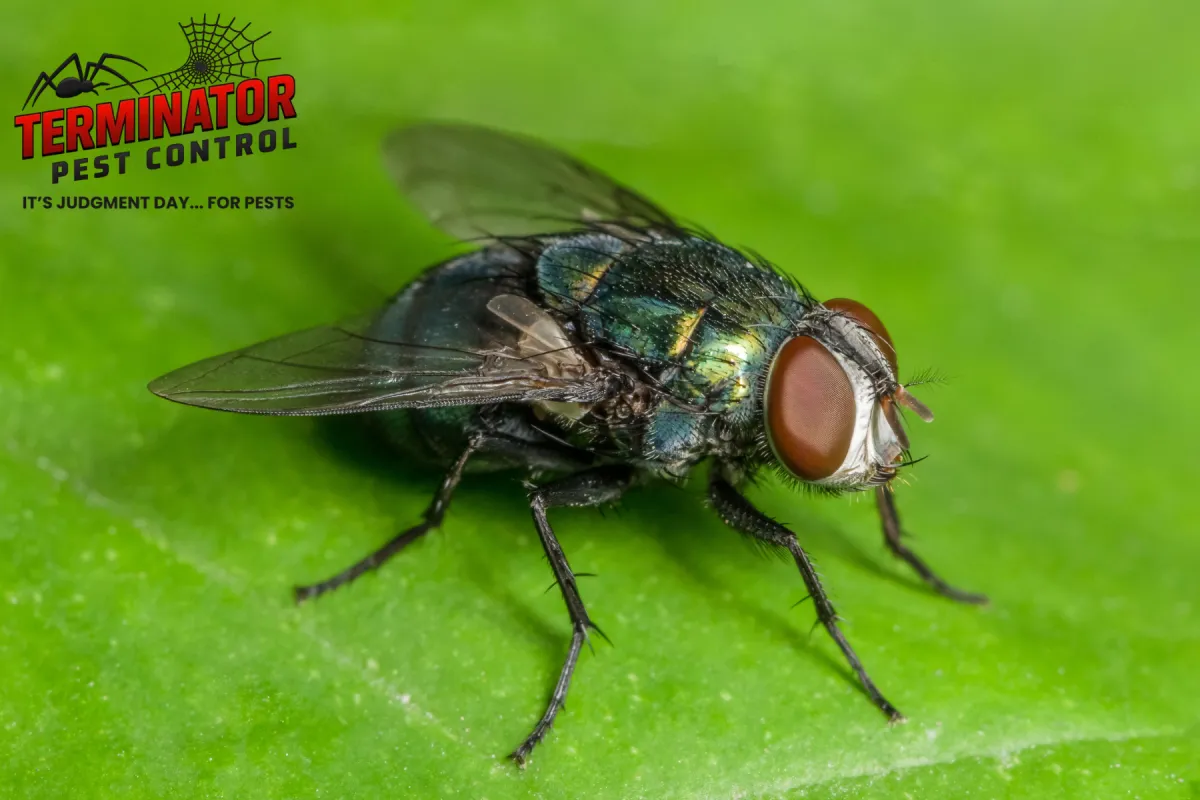

You can find the hidden source of an indoor fly infestation by identifying the specific insect species and inspecting its preferred breeding material. Fruit flies nest in fermenting produce and sticky liquids, drain flies breed in gelatinous pipe slime, phorid flies thrive in sewage or damp soil, and blow flies hatch from decaying animal matter inside walls or attics.
Swatting adult bugs or hanging sticky strips only catches a small fraction of an active infestation. Until you find and clear out the hidden breeding source where eggs and larvae hatch, new pests will keep emerging in your kitchen, bathroom, or living room every few days.
Tracking down where these insects lay their eggs takes systematic checking. Because each species relies on specific types of moist, rotting organic matter to feed its larvae, identifying the exact type of pest gives you a direct roadmap to its breeding spot.
5 Inspection Steps to Locate Hidden Fly Breeding Sites
Systematically tracking down fly breeding hotspots requires evaluating specific high-moisture and organic waste zones throughout your home.
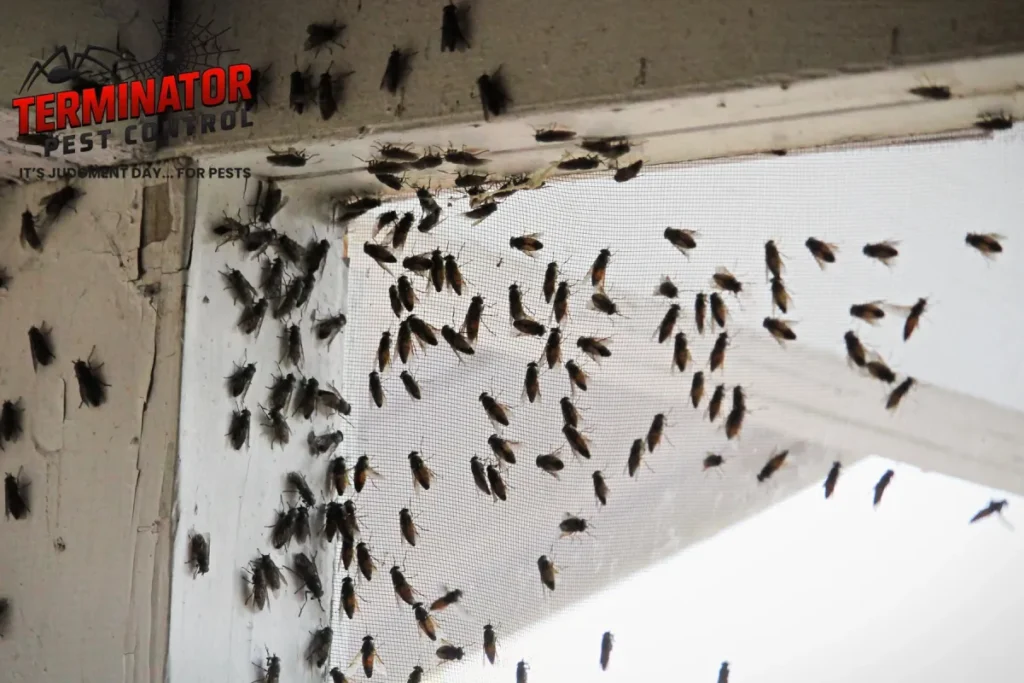
- Species Identification and Behavioral Mapping: Watch how the pests move and where they gather. Small, slow-moving bugs around kitchen sinks usually point to fruit flies or drain flies, while large, metallic green or blue bugs swarming bright windows point to a dead animal hidden in a wall, chimney, or attic.
- Drain Biofilm and Overnight Tape Testing: If you suspect plumbing pipes, cover sink, shower, and floor drains with clear packing tape overnight, leaving tiny air gaps. Any pests trying to fly out will get stuck to the sticky side of the tape, confirming an active breeding ground inside the trap.
- Appliance Pan and Moisture Trap Audits: Pull out major appliances to check dark, damp collection areas. Refrigerator defrost trays, dishwasher bases, washing machine pans, and air conditioner drain lines gather standing water and organic sludge that attract breeding bugs.
- Wall Void and Attic Carcass Audits: Inspect behind baseboards, inside attic spaces, and around chimney flues for dead rodents or birds. Unpleasant smells, warm moisture spots, or sudden swarms near outlet covers usually mean an animal carcass is decomposing inside a wall cavity.
- Structural Soil and Sewage Leak Checks: Inspect crawl spaces, basement sumps, and sub-floor dirt for leaking plumbing pipes. Soil soaked with greywater or raw sewage creates an ideal underground nursery for phorid pests.
During a recent home inspection, our team providing Beaver Dam pest control discovered that a slow leak behind a dishwasher had created a hidden layer of moist organic sludge under the floor, breeding hundreds of pests out of view.
Diagnostic Guide: Comparing Fly Species and Breeding Hotspots
Different species depend on distinct organic materials to feed their developing larvae. Use this comparative breakdown to narrow down your search zone based on appearance and flight patterns.
Comparison Table: Fly Species, Breeding Sources, and Behaviors
| Fly Species | Physical Appearance | Primary Breeding Source | Key Flight Behavior | Typical Hidden Locations |
| Fruit Fly (Drosophila melanogaster) | Small (1/8″), tan body, distinct red or dark eyes | Fermenting fruits, overripe produce, sweet liquid spills | Slow, hovering flights near food and moisture | Trash cans, recycling bins, mop buckets, onion bins |
| Drain Fly (Psychodidae) | Moth-like, fuzzy wings, dark gray or black | Gelatinous organic slime inside drain pipes and traps | Weak, jerky, short hopping flights | Bathroom sinks, shower drains, floor sumps |
| Phorid Fly (Phoridae) | Small, humpbacked thorax, tan to dark brown | Sewage leaks, rotting organic matter, saturated soil | Fast, erratic running across surfaces before flying | Sub-slab soil, broken plumbing, potted plant soil |
| Blow Fly / Cluster Fly (Calliphoridae) | Large (1/4″–1/2″), metallic green, blue, or black | Decaying animal carcasses, animal feces, dead pests | Heavy, buzzing flight toward sunlit windows | Wall voids, chimneys, attics, light fixtures |
Understanding how different flies pick their breeding sites helps you focus your cleaning efforts on the exact rooms and fixtures driving the issue.
Key Specifications and Diagnostic Definitions
Organic Biofilm
A sticky layer of bacteria, fungi, and decaying grease that coats the inner walls of plumbing pipes, providing the primary breeding substrate for drain-dwelling larvae.
Fermentation Gradient
The airborne scent trail of acetic acid, alcohol, and yeast vapors released by ripening fruit or decaying liquids that lures adult pests over long distances.
Reflux Sludge
Stagnant, nutrient-rich liquid that accumulates inside refrigerator defrost trays, air conditioner condensate pans, and dishwasher bases when drainage lines get blocked.
Sub-Slab Contamination
Soil beneath concrete building foundations that becomes saturated with raw sewage or greywater from leaking pipes, creating underground breeding zones.
Pupal Wandering
The developmental stage where mature larvae crawl away from their moist feeding source into nearby dry cracks, baseboards, or floor gaps to form pupae.
Applying Our Specialized Service Strategy to Solve This
Wiping down countertops and setting out vinegar traps may catch a few adult insects, but long-term relief requires eliminating the source. At Terminator Pest Control, our team focuses on good sanitation and proper exclusion to solve stubborn indoor infestations at the root.
When addressing persistent breeding sites, our experienced technicians follow a proven, three-step process:
- Targeted Inspection & Diagnosis: We inspect hidden moisture zones, drain traps, appliance pans, and structural voids as part of developing a plan to control your fly infestation tailored to your property.
- Source Elimination & Sanitation: We guide property owners on removing organic buildup and apply specialized bioremediative treatments that dissolve sticky pipe biofilm without damaging plumbing infrastructure.
- Structural Exclusion & Barrier Protection: We seal wall gaps, repair screen tears, and deploy our team, where our expert technicians provide fast, reliable solutions that block outdoor pests from entering your living spaces in the future.
When property owners need expert pest control in Beaver Dam, WI, having a tailored strategy ensures hidden breeding sites are cleared completely without relying on temporary chemical cover-ups.
Debunking the Industry Myth: Bleach and Boiling Water Destroy Drain Flies
A widespread myth claims that pouring household bleach, boiling water, or baking soda down a clogged drain will permanently eliminate a drain pest problem. Many homeowners repeat this ritual daily, expecting the pests to vanish overnight.
In reality, liquid flushes simply run down the center of the drain pipe, leaving the thick, sticky biofilm lining the pipe walls intact. Drain larvae live buried deep inside this rubbery slime, which protects them from quick liquid flushes. Bleach dilutes rapidly in standing water traps without breaking down heavy grease or organic matter. Eliminating drain pests requires mechanically scrubbing pipe walls with a stiff brush or using specialized enzymatic foams that digest organic biofilm down to the pipe surface.
When addressing stubborn pipe issues in Beaver Dam, professional pest control in Beaver Dam focuses on removing the underlying biofilm rather than pouring harsh chemicals down the sink.
People Also Ask
Q: How do I know if insects are breeding inside my wall voids?
A: If you notice large, metallic green or blue blow flies clustering around closed windows without any rotten food or open trash nearby, they are likely emerging from a rodent or bird carcass trapped inside an attic, chimney, or wall cavity.
Q: Why do flying pests keep returning after I throw away all overripe fruit?
A: Throwing away visible fruit removes adult feeding sites, but eggs and larvae may still be developing inside hidden organic sludge, such as underneath refrigerator drip pans, inside damp mop heads, or along dirty recycling bins.
Q: Can overwatered houseplant soil cause an indoor fly issue?
A: Yes. Overwatered houseplant soil creates an ideal environment for fungus gnats, which look very similar to fruit flies. Fungus gnat larvae feed on soil fungi and organic matter in saturated pot soil.
Q: How does professional beaver dam pest control locate hidden breeding sites?
A: Professional pest control technicians use specialized moisture meters, drain scopes, and species-specific behavioral tracking to pinpoint hidden organic sludge, broken pipelines, or structural voids driving the infestation.
Q: What is the fastest way to get rid of drain flies?
A: The fastest way is to clean out the organic slime inside the pipe using a drain brush, followed by an enzymatic drain cleaner that breaks down leftover organic buildup.
Eliminate Hidden Fly Breeding Sites for Good
Solving a stubborn indoor pest problem depends on finding and removing the exact organic breeding source. By identifying the species, inspecting hidden moisture zones, and clearing organic sludge, you can break the breeding cycle and enjoy a clean, comfortable home.
At Terminator Pest Control, we bring over 100 years of combined expertise to every home and business we protect. As a family-owned company, we are dedicated to providing clear, honest, and reliable service that gives you total peace of mind. Serving families across Beaver Dam and surrounding communities, our friendly technicians offer tailored protection plans, including our Gold and Platinum Pest Protection Plans to keep your environment safe and pest-free year-round.
Can’t find where indoor pests are coming from? Contact our expert team to schedule your comprehensive home inspection!