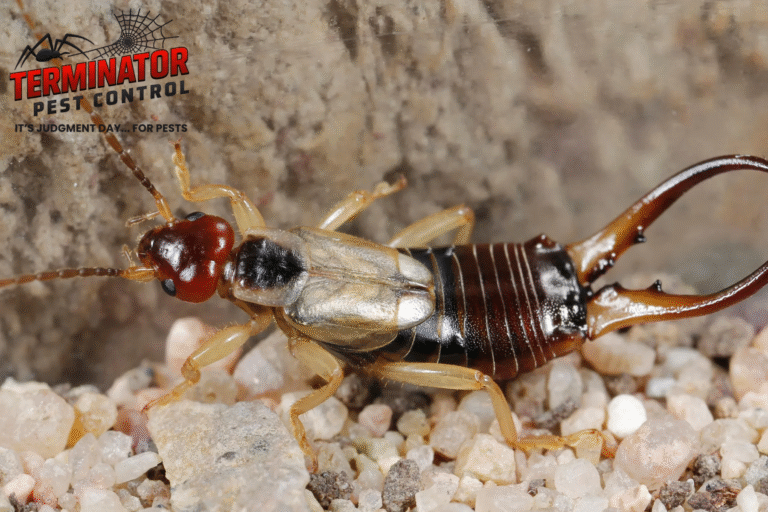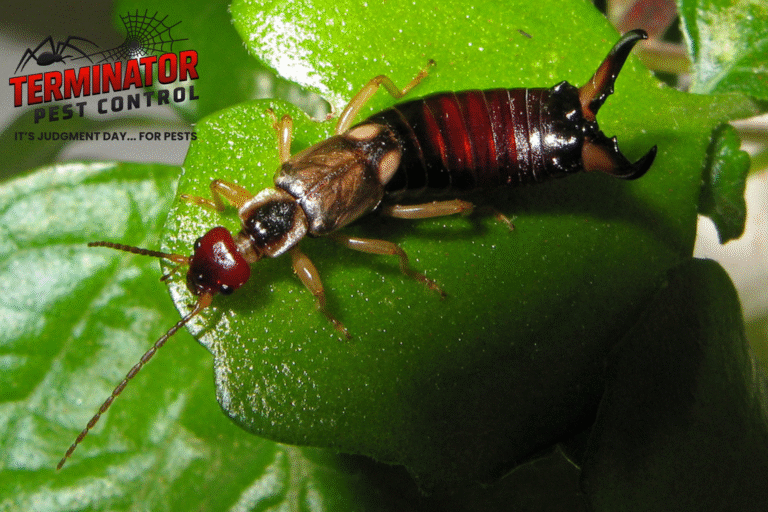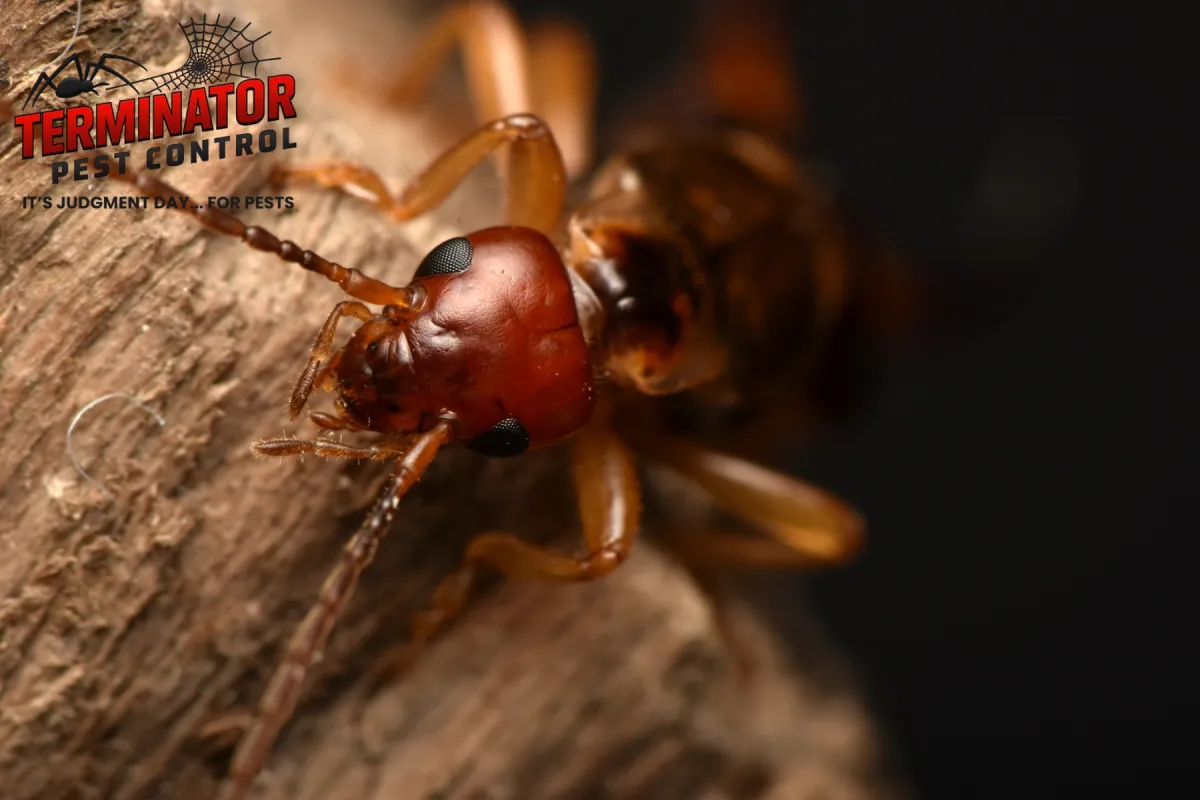

Earwigs suddenly appear indoors because outdoor weather extremes, such as heavy rain, prolonged drought, or sudden heatwaves, force them to seek shelter. They are attracted to damp, dark spaces with high humidity, leaky plumbing, rotting mulch, and unsealed ground-level entry points along foundations and doors.
Walking into your bathroom or kitchen at night and spotting a dark insect with pincers on its tail can be startling. If you have suddenly noticed several of these crawling pests inside your home, you are not alone. While these nocturnal creatures prefer to live outdoors in cool, damp soil, sudden shifts in weather can quickly drive them indoors in search of a safer environment.
When these moisture-seeking insects make their way past your foundation, they head straight for rooms that match their natural habitat. Bathrooms, laundry rooms, dark basements, and under-sink cabinets offer the exact humidity levels they need to survive. Understanding what draws them to your house is the first step toward keeping them outside where they belong.
5 Primary Attractants Driving Earwigs Indoors
These night-active scavengers spend most of their lives hiding in cool, humid soil. When their outdoor homes become too wet or too dry, they look for dark, damp spaces inside human homes. Here are five main factors that attract them:
- Excess Indoor Moisture & High Humidity: Leaky pipe joints, sweating water lines, damp basements, crawl spaces, and poorly ventilated bathrooms create perfect indoor living conditions.
- Decaying Organic Matter Near Foundations: Thick wood mulch beds, rotting leaf piles, stacked firewood, and overgrown gardens right next to your exterior walls give them food and shelter right beside entry points.
- Unshielded Exterior Lighting: Like many nocturnal bugs, these insects are drawn to bright white porch lights and glowing window frames at night, bringing them closer to your exterior doors.
- Unsealed Ground-Level Entry Points: Small cracks in concrete foundations, worn door sweeps, uncaulked basement window frames, and gaps around outdoor pipe entries offer an easy path inside.
- Weather Extremes & Seasonal Changes: Heavy summer downpours flood their underground nests, while sudden drought and heat dry out garden soil, forcing mass migrations into air-conditioned, humid homes.
During a recent home inspection, our technicians providing pest control in Beaver Dam noticed that heavy summer rains had flooded thick wood mulch beds right next to the foundation, pushing dozens of crawling bugs under the back patio door.
Direct Comparison: Indoor Micro-Habitats vs. Outdoor Harborage
Understanding where these pests live outdoors versus where they hide inside helps property owners target moisture control and cleanup efforts effectively.
Comparison Table: Outdoor vs. Indoor Living Environments
| Attribute / Feature | Outdoor Harborage (Natural Habitat) | Indoor Harborage (Infestation Risk Zone) |
| Primary Attraction | Damp garden soil, leaf piles, wood mulch, soft garden plants | Leaky supply lines, high humidity, damp basements, sink cabinets |
| Common Hiding Spots | Under patio stones, tree bark, flower pots, rotting logs | Behind baseboards, under washing machines, inside dark cupboards |
| Food Sources | Dead bugs, decaying leaves, soft flower petals, garden fungi | Stray food crumbs, organic dust, indoor potted plant leaves |
| Risk of Population Growth | High (Natural outdoor breeding grounds) | Low (Indoor air is usually too dry for long-term breeding) |
| Primary Control Focus | Yard cleanup, clearing mulch, fixing gutter drainage | Dehumidification, fixing leaks, sealing foundation gaps |
When dealing with nuisance invasions of earwigs, focusing on both outdoor yard care and indoor moisture reduction is essential for long-term control.
Key Specifications & Technical Definitions
Forceps (Cerci)
The distinct, pincer-like appendages located at the end of the insect’s abdomen, used for defense, holding prey, and mating.
Dermaptera
The scientific order comprising all species of these insects, characterized by short, leathery front wings and prominent tail pincers.
Moisture-Seeking Behavior
The natural biological drive that compels moisture-dependent bugs to follow dampness gradients toward high-humidity areas during dry weather.
Harborage Site
Any dark, protected, moist crevice or void where night-active bugs gather during daylight hours to avoid heat and predators.
Reflex Defense
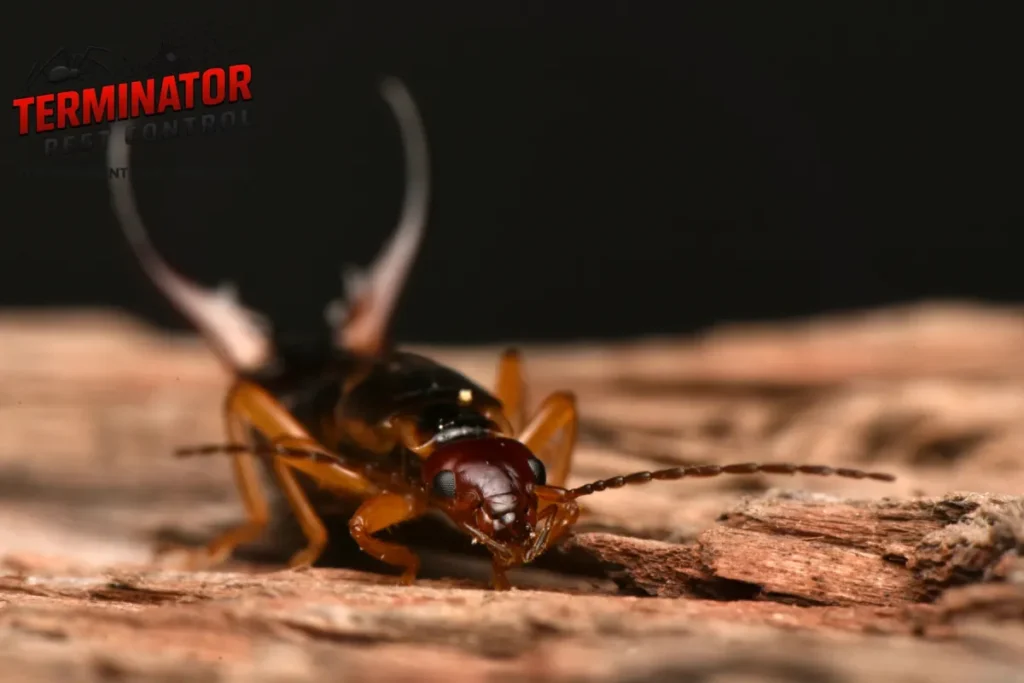
The harmless defensive pose where the insect raises its abdomen and opens its pincers when threatened, even though it has no venom and cannot harm humans.
Applying Our Specialized Pest Protection to Solve This
Relying on surface sprays after insects enter your living space only treats half the problem. At Terminator Pest Control, we focus on practical, preventative care that keeps crawling pests from entering your living spaces in the first place.
Our systematic approach targets both the outdoor nesting sites and physical entry points on your home:
- Organic Cleanup & Yard Management: By removing organic debris buildup like decaying leaves, rotting logs, and thick mulch beds from your foundation, we eliminate the primary damp harborage sites where populations multiply.
- Perimeter Barrier Protection: We apply specialized treatments that create a barrier on the structure and reduce insects from entering your home, keeping foundation zones clear of crawling pests.
- Structural Sealing & Exclusion: We identify and seal foundation gaps, door thresholds, and utility entries to make sure crawling bugs cannot find a way past your outer walls.
When providing specialized pest control in Beaver Dam, WI, our technicians inspect both perimeter gardens and interior moisture levels to ensure complete, long-lasting relief.
Debunking the Industry Myth: Earwigs Crawl Into Human Ears to Lay Eggs
A widespread urban legend, and the origin of the insect’s common name, claims that these bugs intentionally crawl into the ears of sleeping humans to bore through the eardrum and lay eggs inside the brain. This old myth has caused unnecessary fear for generations.
In reality, these insects have zero interest in human bodies or human ears. They feed on decaying plants, soft garden leaves, and smaller insects. While a crawling bug might accidentally wander onto a blanket in rare cases (just like any ant or beetle), they do not eat bone, cannot lay eggs inside people, and carry no venom. They are purely nuisance pests looking for damp soil and dark shade.
Property owners can rest easy knowing that these creatures pose no physical threat to their families or pets, but Beaver Dam pest control services can help keep them from becoming an ongoing nuisance inside the home.
People Also Ask
Q: Do these insects bite or sting humans with their pincers?
A: No. They do not sting, and they do not carry venom. While they can pinch human skin with their tail forceps if picked up or squeezed, the pinch is weak, rarely breaks the skin, and carries no health risk.
Q: Why do I keep finding crawling bugs in my bathroom or laundry room?
A: Bathrooms, basements, and laundry rooms have high humidity levels and frequent moisture from plumbing pipes, showers, and washing machines. This creates the exact damp environment moisture-seeking bugs need to survive.
Q: Will these pests damage my home or wooden furniture?
A: No. They do not chew wood, damage drywall, or destroy clothing or furniture. They are strict nuisance pests indoors, though they can chew small holes in indoor potted plants or outdoor flower beds.
Q: Why should I hire professionals for beaver dam pest control instead of using store-bought sprays?
A: Store-bought bug sprays only kill individual insects on contact; they do not address the outdoor dampness or foundation cracks driving the invasion. Professional pest control combines yard inspection, debris removal, structural sealing, and protective barriers to stop recurring invasions for good.
Q: How quickly can professional pest control resolve an indoor invasion?
A: A professional treatment creates a protective perimeter barrier right away. When combined with sealing entry points and fixing moisture issues, indoor sightings typically stop within a few days using pest control.
Protect Your Home from Moisture-Seeking Pests
Sudden indoor sightings are a clear sign of high moisture levels or unsealed foundation gaps around your property. Clearing away heavy mulch, fixing plumbing leaks, and securing door sweeps will keep crawling bugs where they belong, outdoors.
At Terminator Pest Control, we bring over 100 years of combined expertise to every property we serve. As a family-owned business, we are dedicated to providing clear, honest, and reliable service that gives you total peace of mind. Whether you need an immediate inspection or long-term protection through our Gold and Platinum Pest Protection Plans, our friendly technicians are here to help.
Tired of finding unwanted bugs in your home? Contact us today to request your free quote or to schedule your home inspection!