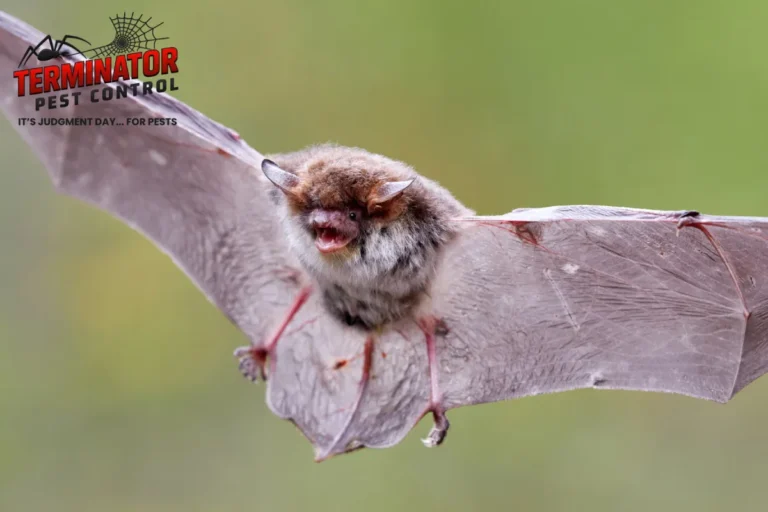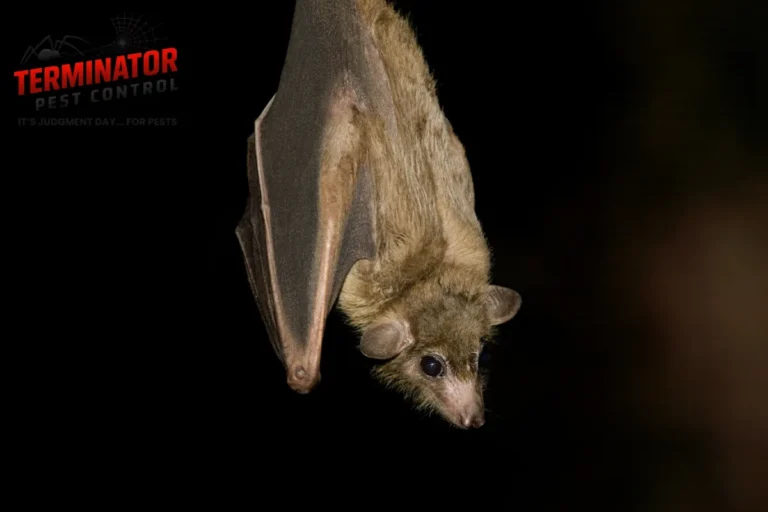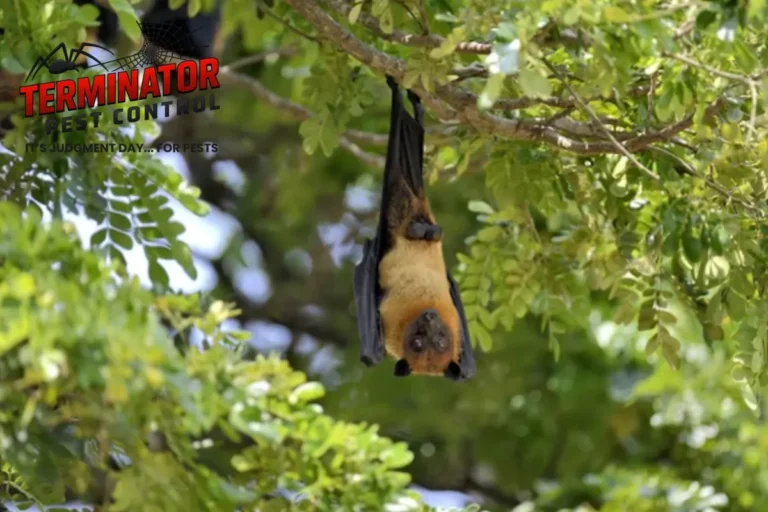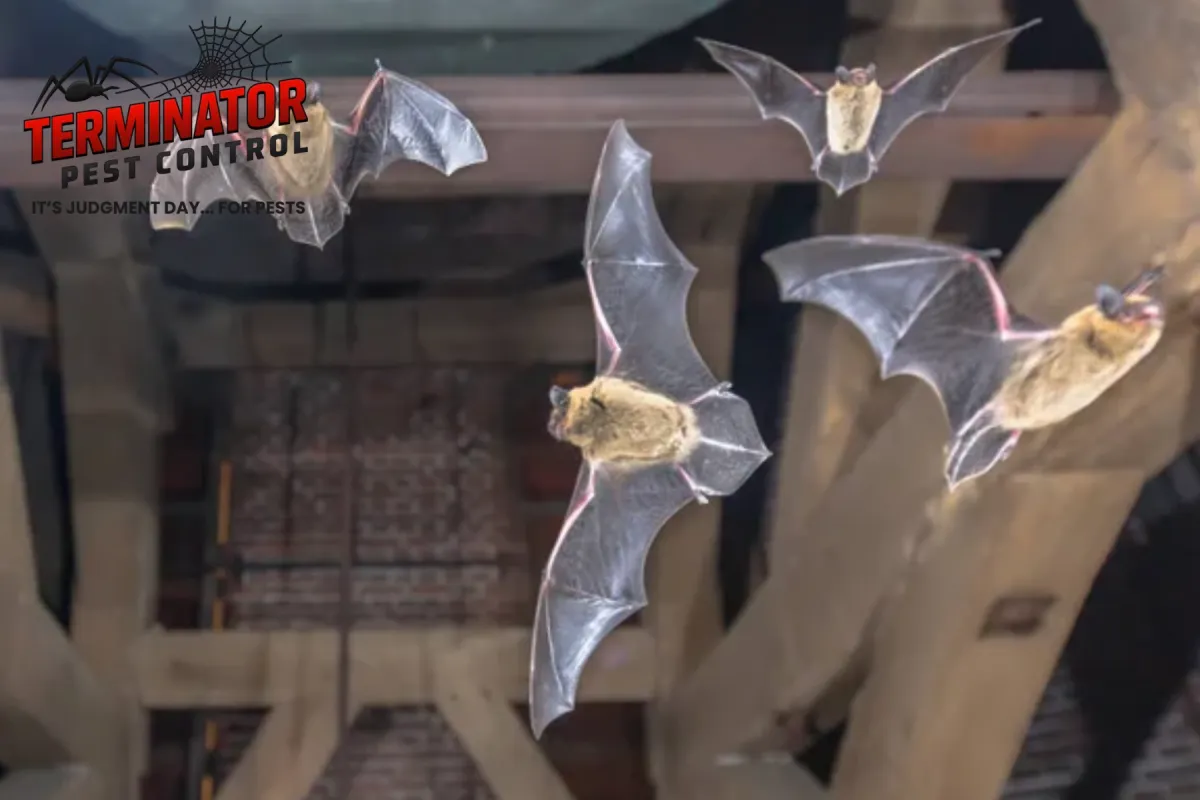

Bat exclusion works by installing one-way exit devices over all active entry points while completely sealing all secondary gaps around the roofline. This process allows bats to safely leave the attic at night to hunt but prevents them from re-entering, forcing the colony to relocate naturally without harming any animals. Adhering to a regular exclusion strategy ensures that your home is permanently fortified while respecting the natural life cycle of these protected mammals.
Quick Reference: Bat Exclusion vs. Banned Methods
Humane exclusion is the only legal and effective way to remove bats from a structure. When a colony takes up residence inside a roof structure, attempting to use quick retail fixes or traditional extermination tactics can cause severe property damage and legal penalties. This comparison table outlines why professional methods succeed while traditional extermination attempts fail or are illegal, making bat exclusion in Stoughton, WI the safer and more reliable solution.
| Method | How It Works | Target Outcome | Legality & Safety |
| One-Way Exclusion Devices | Cones, valves, or netting allow bats to exit but drop shut or block access upon return. | Total colony relocation with zero mortality. | 100% Legal – Recommended by wildlife agencies worldwide. |
| Chemical Poisons / Fumigants | Attempting to poison bats using toxic sprays or gases inside the attic space. | Dead bats trapped inside walls, causing extreme odor and health hazards. | Illegal – Bats are protected species; poisoning them carries heavy federal and state fines. |
| Trapping and Relocating | Using cages or boxes to capture bats at exit holes to move them elsewhere. | High bat stress, immediate return due to extreme homing instincts. | Highly discouraged – Ineffective and increases physical handling and rabies exposure risks. |
| Total Nighttime Sealing | Waiting until bats leave at night and immediately sealing all holes shut blindly. | Traps late-exiting bats or flightless pups inside, leading to starvation and indoor migration. | Illegal during maternity season – Causes massive die-offs inside structural walls. |
Technical Specifications of Exclusion Devices and Materials
Safely keeping bats out requires heavy-duty architectural materials that resist weather, clawing, and scratching. Because bats are incredibly persistent in returning to an established roost, standard materials like expanding foam or duct tape will degrade quickly in the elements. Professionals rely on these specialized material standards to secure a roofline during bat exclusion in Stoughton:
One-Way Exclusion Cones
Smooth PVC or heavy plastic cylinders tapered at the outer end, allowing bats to slip downward but preventing them from gripping the exterior and crawling back inside.
Exclusion Netting
Industrial-grade, UV-resistant mesh hung loosely over wide structural gaps; bats drop out from underneath to fly away, but the net collapses against the wall when they attempt to fly back into the opening.
Galvanized Steel Hardware Cloth
One-quarter-inch wire mesh used to permanently block wide soffit vents, ridge caps, and exhaust vents while maintaining necessary structural airflow.
Polyurethane Architectural Sealants
High-durability, paintable, weatherproof caulking for sealing tiny construction gaps, brick joints, and roof transitions smaller than half an inch.
Debunking the Myth: “Bats Can Be Trapped and Relocated or Scared Away with Lights”
A widespread industry misconception is that a bat colony can be easily trapped in boxes and dropped off a few miles away, or driven out using bright strobe lights and ultrasonic sound machines. Many homeowners waste significant time and money on these retail gimmicks, hoping for an easy fix to a complex biological problem.
The Reality: Ultrasonic repellents do not work, and bats possess an incredibly powerful homing instinct.
Study after study has shown that ultrasonic noise machines have zero long-term impact on a bat colony accustomed to a dark, safe roost. Furthermore, if you trap adult bats and release them five or ten miles away, their internal navigation systems will bring them straight back to your roofline before sunrise. If you physically block their main hole without a comprehensive property seal, they will crawl along your exterior until they find a microscopic secondary gap, often ending up inside your actual living spaces out of desperation.
During a recent structural assessment of a home in Stoughton, our crew discovered that the homeowner had attempted to scare a colony away with bright attic floodlights. Instead of leaving the house, the bats simply crawled deeper into the insulated wall cavities where the light couldn’t reach, making the eventual removal process much more difficult.
Applying our “Bio-Sonic Eviction Protocol” to Solve This
To guarantee your attic is cleared safely without endangering the animals or your home, our team at Terminator Pest Control utilizes a proven, proprietary process: the Bio-Sonic Eviction Protocol. This systematic framework pairs bat biological timing with structural physics to achieve permanent relocation.
Our specialized framework is backed by a deeply rooted commitment to safety, professionalism, and community health. We operate under strict quality parameters that integrate the following core company standards for Stoughton bat exclusion:
- Technicians Are Licensed and Insured: Every team member on your roof is a fully trained wildlife specialist, ensuring all structural modifications are handled safely and professionally.
- Wisconsin DNR Regulations and Humane Wildlife Standards: We strictly track local wildlife laws to protect regional ecosystems. This means we never perform exclusions during the summer maternity season when flightless baby pups are present in the roost.
- Proven, Safe Methods: We avoid dangerous chemicals and ineffective traps, focusing entirely on architectural exclusion devices that allow nature to take its course safely.
We execute our comprehensive eviction protocol using a strict four-step chronological sequence to achieve long-term protection:
1. Detailed Inspection and Mapping: Phase 1: The Structural Property Audit.
Our technicians perform a detailed inspection of the entire roofline, fascia board, ridge vents, and flashing. We map every active entry hole and any potential secondary gap larger than a quarter inch, tracking down grease stains, smooth rub marks, and guano deposits to assess the colony’s size.
2. Structural Sealing and Blending: Phase 2: Secondary Gap Fortification.
Before we touch the primary entry holes, we permanently seal 100% of the secondary gaps using premium metal flashing, weatherproof sealant, and mesh screens. Fortifying these minor gaps ensures that the bats have zero fallback entry options when they find their main doorway blocked.
3. Install One-Way Devices: Phase 3: One-Way Vector Deployment.
We install one-way devices directly over the primary exit holes. These humanely engineered cones or mesh curtains ensure that when the bats leave the attic for their nightly feeding cycle, their path back inside is physically closed, forcing them to find an alternative natural roost.
4. Remediation and Clearance Verification: Phase 4: Decontamination and Final Seal.
After a mandatory waiting period of 3 to 7 days to ensure the attic is entirely empty, we remove the temporary one-way devices and seal the final holes permanently. Because bat droppings harbor dangerous fungal spores, we offer cleanup services and recommend replacing insulation to restore your home’s air quality.
People Also Ask
What is the best time of year to perform a professional bat exclusion?
Professional exclusions must be performed during the early spring or autumn. It is illegal and inhumane to conduct exclusions during the summer maternity season (typically May through August) because flightless baby pups will be trapped inside to starve. This timeline is strictly enforced throughout Wisconsin to protect local bat populations and prevent severe odor and biohazard issues within residential walls.
How small of a hole can a bat slip through to enter an attic roofline?
Most common structural bats can easily squeeze through an opening as small as three-eighths of an inch, which is roughly the thickness of a standard ink pen or a human pinky finger. This includes gaps between construction joints, warped fascia boards, unsealed chimney flashing, or compromised ridge vents along your roof structure.
Why can’t I just use expanding foam to seal the bats inside at night?
Sealing a hole blindly at night is highly dangerous. A bat colony never leaves all at once; some bats always remain behind in the attic due to weather, age, or digestion cycles. If you seal the main opening, the trapped bats will panic and crawl down into your living spaces through recessed lights, gaps in drywall, and vents, creating an immediate health hazard for your family.
Do I need a professional for bat exclusion in Stoughton?
Yes. Performing a safe and lawful exclusion requires specialized high-reach safety equipment, professional-grade materials, and an understanding of regional wildlife laws. A certified specialist ensures that every microscopic gap is sealed properly so you don’t face a recurring infestation next season.
Restore Your Home’s Peace of Mind with the Experts
Leaving a bat colony inside your attic compromises your insulation, creates severe biological health risks, and ruins structural wood over time. At Terminator Pest Control, we focus on delivering ultimate peace of mind by providing efficient, reliable, and customer-centered solutions that protect your environment. With over 100 years of combined expertise, our family-owned business treats every home with the exact care and attention to detail it deserves, prioritizing safety and long-term prevention above all else.
We want you to feel completely secure and reassured, knowing that your wildlife issues are being handled by dedicated industry experts. Whether you require immediate help with a pressing infestation or want to incorporate comprehensive protection into your home maintenance routine, our friendly team is ready to serve.
Contact us today to request a free quote or to learn more about our customized home protection plans. Let our expert family handle the wildlife so you can live comfortably and stress-free.