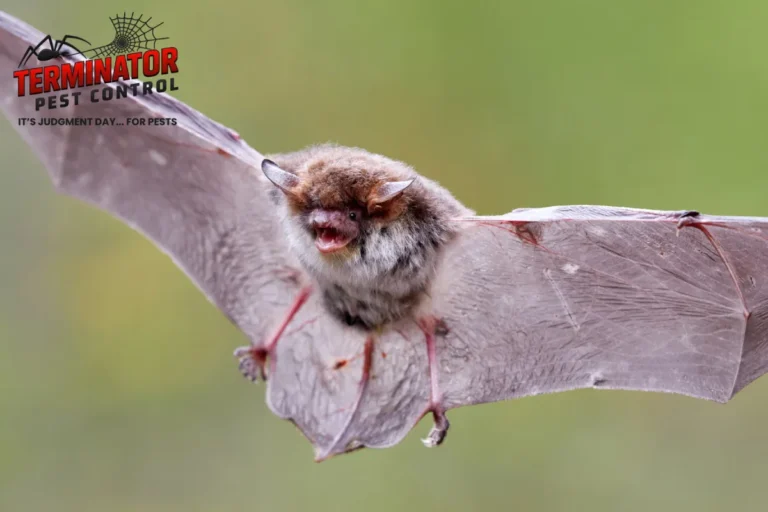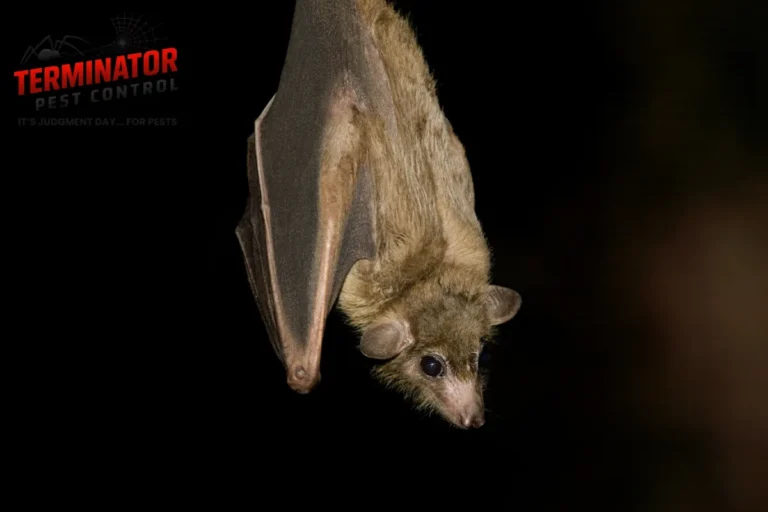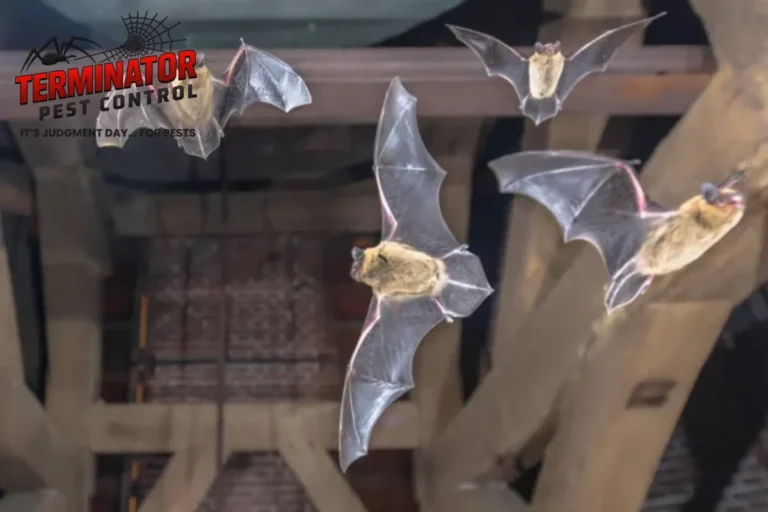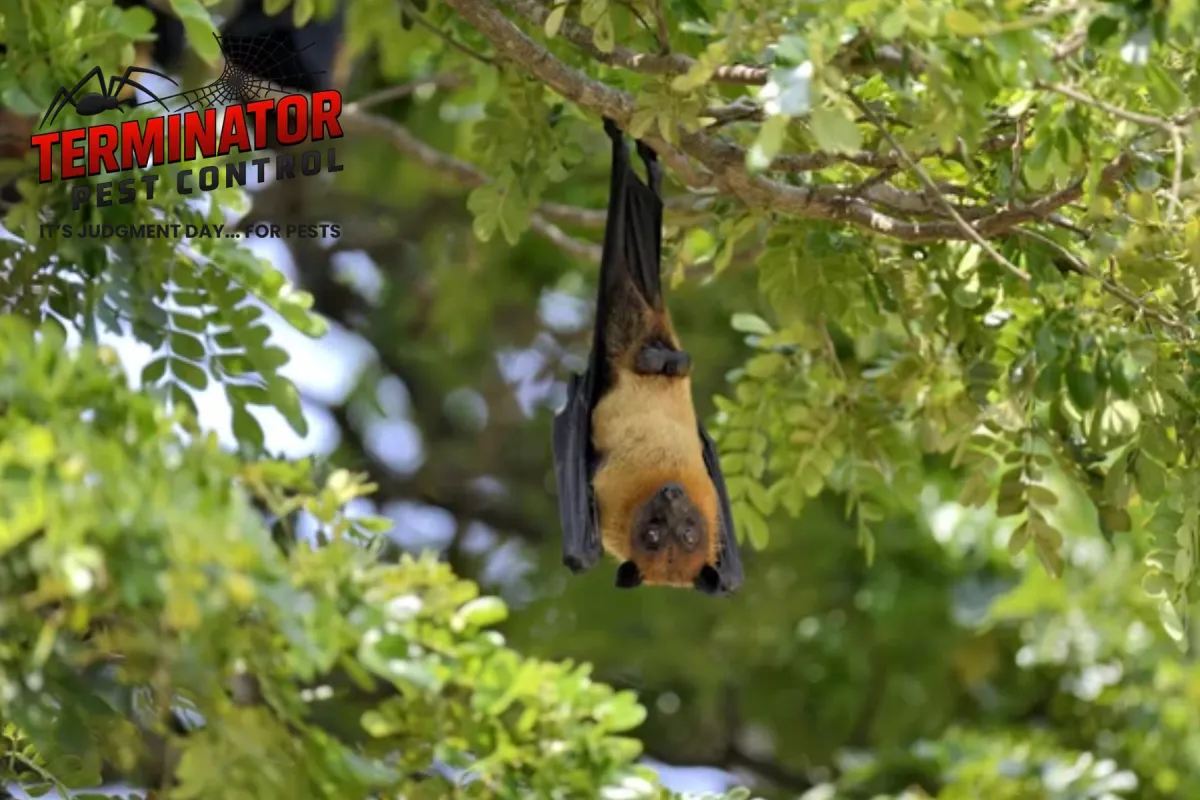

Delaying bat removal from a home exposes residents to severe respiratory illnesses, airborne fungal diseases, and direct viral transmission. The primary health risks include histoplasmosis, a dangerous lung infection caused by inhaling spores from accumulating guano and rabies exposure from physical contact or undetected bites. As a colony grows, airborne biohazards, structural decay, and parasite infestations inside the living spaces multiply exponentially.
Airborne and Viral Pathogens: The Medical Reality of an Active Roost
Leaving a wild mammal colony within an architectural envelope allows dangerous biological waste to accumulate, causing severe, documented medical hazards. When wildlife invades a structural attic space, the health of everyone under that roof becomes vulnerable to dynamic air currents and parasite migrations.
Histoplasmosis and Airborne Fungal Spores
Bat droppings (guano) are highly rich in nutrients that support the rapid growth of the microscopic fungus Histoplasma capsulatum. As the guano dries over time, it breaks down into a fine, powdery dust.
Standard household airflow patterns, thermal drafts, and structural vibrations push these airborne fungal spores through attic flooring and drywall seams straight into the home’s main HVAC ventilation system. Inhaling these invisible spores causes histoplasmosis, an infection that can bring on flu-like symptoms, severe chest pain, and chronic coughing, and can lead to long-term lung scarring or systemic infection in vulnerable individuals.
Rabies Transmission and Cryptic Bites
Bats are a primary vector for the rabies virus. While a healthy colony avoids humans, sick or disoriented bats routinely slip down through wall voids and exit into bedrooms or hallways. Because bats have tiny, razor-sharp teeth, a sleeping child, elderly individual, or pet can easily be bitten without waking up or showing a visible puncture wound. Delaying removal increases the statistical probability of an accidental indoor encounter.
The Pathogen Progression Timeline: Risks of Procrastination
The health and structural hazards of a bat infestation escalate dramatically with the length of time the colony is permitted to inhabit the roof infrastructure.
Exposure Hazard Progression Checklist
- Phase 1: First 1–3 Months (Initial Colonization)
- Localized accumulation of fresh guano directly beneath core roosting joists.
- Development of distinct, unpleasant ammonia waste odors near attic access hatches.
- Introduction of bat ectoparasites (bat bugs) to the immediate raw timber framing.
- Phase 2: 3–12 Months (Colony Multiplication)
- Guano piles expand, soaking into loose-fill ceiling insulation and staining sheetrock.
- Ammonia vapors become strong enough to penetrate ceiling borders, contaminating upper-level indoor air quality.
- Migrating bat bugs travel downward along electrical lines, invading bedroom walls and mattresses.
- Phase 3: 12+ Months (Chronic Biohazard Saturation)
- Heavy waste accumulations compromise the structural integrity of plaster and ceiling drywall, creating collapse hazards.
- Massive fungal spore colonies spread throughout the building’s main air columns.
- High risk of desperate bats emerging directly into active living spaces due to overcrowding.
Side-by-Side Hazard Impact Comparison
| Biological Risk Element | Immediate Home Impact (1-3 Months) | Long-Term Postponement (12+ Months) |
| Guano Waste Saturation | Contained patches on structural attic subfloors. | Heavy, multi-inch deep layers are causing ceiling sagging. |
| Air Transmission Level | Minimal; restricted mostly to dead attic air spaces. | High; continuous spore circulation via household HVAC. |
| Parasite Infestation | Confined strictly to the active bat nursery nests. | Widespread bat bug migration into living area beds. |
| Structural Clean Cost | Minor structural spot sanitization required. | Complete insulation, gutting, and structural timber wash. |
During a recent structural safety check for a residential property owner, our team observed these progressive health hazards firsthand. The residents had noticed random scratching sounds for over a year but delayed taking action, assuming the animals would leave on their own. By the time they contacted us for an inspection, multi-inch layers of guano had saturated the master bedroom ceiling insulation, and structural air leaks were pulling ammonia fumes straight into the living quarters. Initiating an immediate program for Stoughton bat removal was necessary to clear the airborne hazards and restore basic safety to the home.
Debunking the Myth: “If You Don’t Go Into the Attic, Bat Droppings Can’t Hurt You”
The most common and dangerous misconception among property owners is believing that an attic infestation is completely isolated from the rest of the home’s living areas. Homeowners often assume that keeping the attic hatch firmly shut prevents any potential biological hazards from entering the attic.
The Reality: A home functions as a dynamic respiratory system, meaning air from the attic is constantly pulled downward into your active living spaces.
Through a natural engineering phenomenon known as the stack effect, warm air rises and escapes through the roofline, creating a continuous upward vacuum. This vacuum pulls replacement air from unsealed light fixtures, utility pipe chases, and attic doors into the main living zones. Every time your central heating or air conditioning unit kicks on, microscopic dust particles and fungal spores from the guano are drawn right into the shared indoor air space. Leaving toxic waste upstairs ensures that your family will eventually breathe it in downstairs, regardless of how often you open the attic door.
Applying Our Proprietary Exclusion Protocol to Solve This
To safely clear your property without risking structural damage, health hazards, or legal violations, Terminator Pest Control relies on a specialized, multi-stage protocol. As a dedicated, locally operated business, we focus on delivering peace of mind by providing efficient, reliable, and customer-centered pest control solutions.
Our specialized framework relies on a meticulous, multi-step process to ensure total colony relocation and permanent property protection:
Detailed Inspection
We do not use standard guesswork or quick visual sweeps. Our team conducts a detailed structural inspection of your roofline, chimneys, and gables using advanced diagnostic lights to safely map out active entry points, nesting zones, and waste accumulation piles. If you suspect bats have entered your attic or peak, and need an experienced team for bat removal in Stoughton, our meticulous diagnostic process tracks down entry points that basic inspections miss.
Humane Exclusion
We deploy specialized, non-lethal humane one-way devices over active pathways. These custom drapes or cones allow the animals to leave naturally at dusk to forage but eliminate the landing angles required for re-entry, achieving a completely hands-off humane exclusion without direct animal contact. This humane and effective method ensures the animals relocate to alternative outdoor roosts entirely on their own terms.
Sealing and Prevention
While the exit devices clear the structure, we complete robust sealing and prevention work across all secondary joints and construction gaps using premium, weather-proof compounds. Our operations align strictly with Wisconsin DNR guidelines and humane wildlife standards to fully protect regional ecosystem cycles. We begin with pinpoint visual tracking and finish with comprehensive protection, ensuring your roofline is locked down permanently against future migration seasons. Families seeking a lasting shield against recurring infestations find that setting up an optimized plan for Stoughton, WI bat removal provides complete, multi-season security.
Cleanup and Restoration
Once the bats are safely gone, our team addresses the biohazards with an intensive cleanup and restoration program. We carefully dampen the active waste zones to prevent biological dust from rising, vacuum away toxic guano with HEPA-filtered negative-pressure equipment, and apply medical-grade enzymatic sanitizers. This completely neutralizes lingering fungal spores, bacteria, and colony pheromones, restoring your home’s air column to a pristine, safe state.
Structural Biohazard & Medical Glossary
Histoplasmosis
A serious respiratory infection caused by inhaling fungal spores that thrive inside damp accumulations of avian and bat guano.
Bat Bug (Cimex adjunctus)
A blood-sucking ectoparasite structurally similar to the common bed bug that lives in bat fur and moves into human living spaces once its primary hosts leave.
Stack Effect
An architectural air movement process where temperature differences drive continuous indoor air circulation between the lower floors and the attic.
HEPA Bio-Containment
A specialized remediation standard using high-efficiency particulate air filters capable of trapping 99.97% of microscopic biological pathogens during removal.
People Also Ask
Can bat bugs bite humans if the bats are left in the attic?
Yes. While bat bugs prefer feeding on bats, as the colony grows or when bats temporarily leave the roost, these parasites will crawl through electrical plates and drywall gaps to enter bedrooms, where they bite humans and pets.
How can I tell if my chronic cough is related to bats in my home?
If your home has an active bat colony and you develop a persistent, dry cough, chest tightness, fatigue, or low-grade fever that worsens when your HVAC system runs, you should consult a physician and ask about testing for histoplasmosis.
Can I spray bleach on the bat guano myself to kill the fungal spores?
No. Pouring or spraying liquid chemicals on dry guano without proper containment gear can stir up dust and release thousands of spores into the air, and create dangerous, toxic fumes when mixed with heavy ammonia waste.
How long does it take for bat guano to ruin the drywall in the ceiling?
Depending on the size of the colony, heavy accumulations of urine and guano can bleed through ceiling drywall within 6 to 12 months, creating dark, unsightly moisture stains, degrading the plaster, and creating a structural collapse hazard.
Protect Your Family’s Health and Home Investment
Procrastinating on a bat problem will only increase the medical risks to your household and the ultimate cost of structural decontamination. Protecting your indoor environment requires a prompt, biology-based framework that prevents wildlife access and safely sanitizes toxic waste. Trust specialized tracking methods, high-performance physical barriers, and professional bio-containment cleaning to reclaim your home and secure your family’s peace of mind.
Dedicated Experts, You Can Depend On
We are professional, trustworthy, and family-oriented. We focus on delivering peace of mind by providing efficient, reliable, and customer-centered pest control solutions. We aim to be seen as industry experts, dedicated to ensuring the safety and comfort of homes and businesses. We believe in integrity, customer satisfaction, and eco-friendly solutions. Our core principles include offering tailored, high-quality services that not only eliminate pests but also ensure long-term prevention. We prioritize professionalism, transparency, and consistency in our service delivery, treating every job with care and attention to detail.
Over a Century of Combined Expertise
We want customers to feel secure and reassured knowing their homes and businesses are protected by safe, effective, and professional solutions. With 100+ years of combined expertise, family-owned values, customized Gold and Platinum Pest Protection Plans, and specialized services like rodent control and bed bug treatments, Terminator Pest Control provides long-lasting protection backed by a satisfaction guarantee.
Homeowners and business owners in Wisconsin can count on our reliable, environmentally friendly pest control to solve current infestations and prevent future ones. Our tone is professional, approachable, and caring, encouraging readers to request a free quote, schedule a consultation, or sign up for a protection plan that gives them lasting peace of mind.
We aim to turn potential customers into long-term partners for their pest control needs. Contact us today to request your free quote!