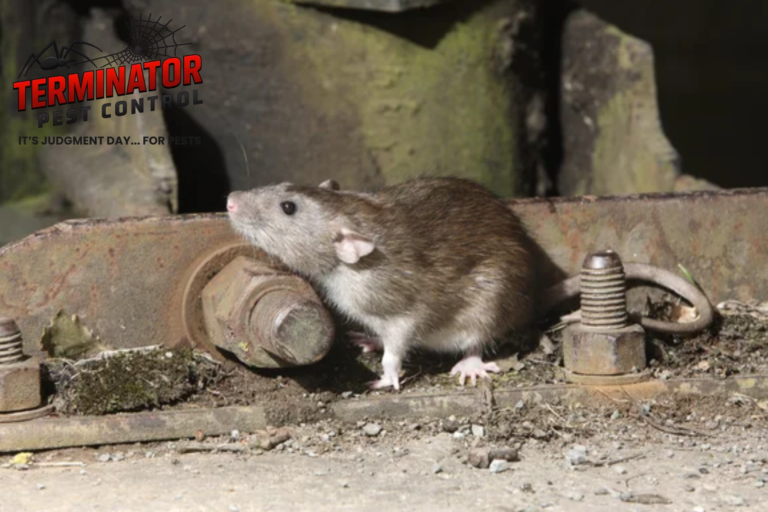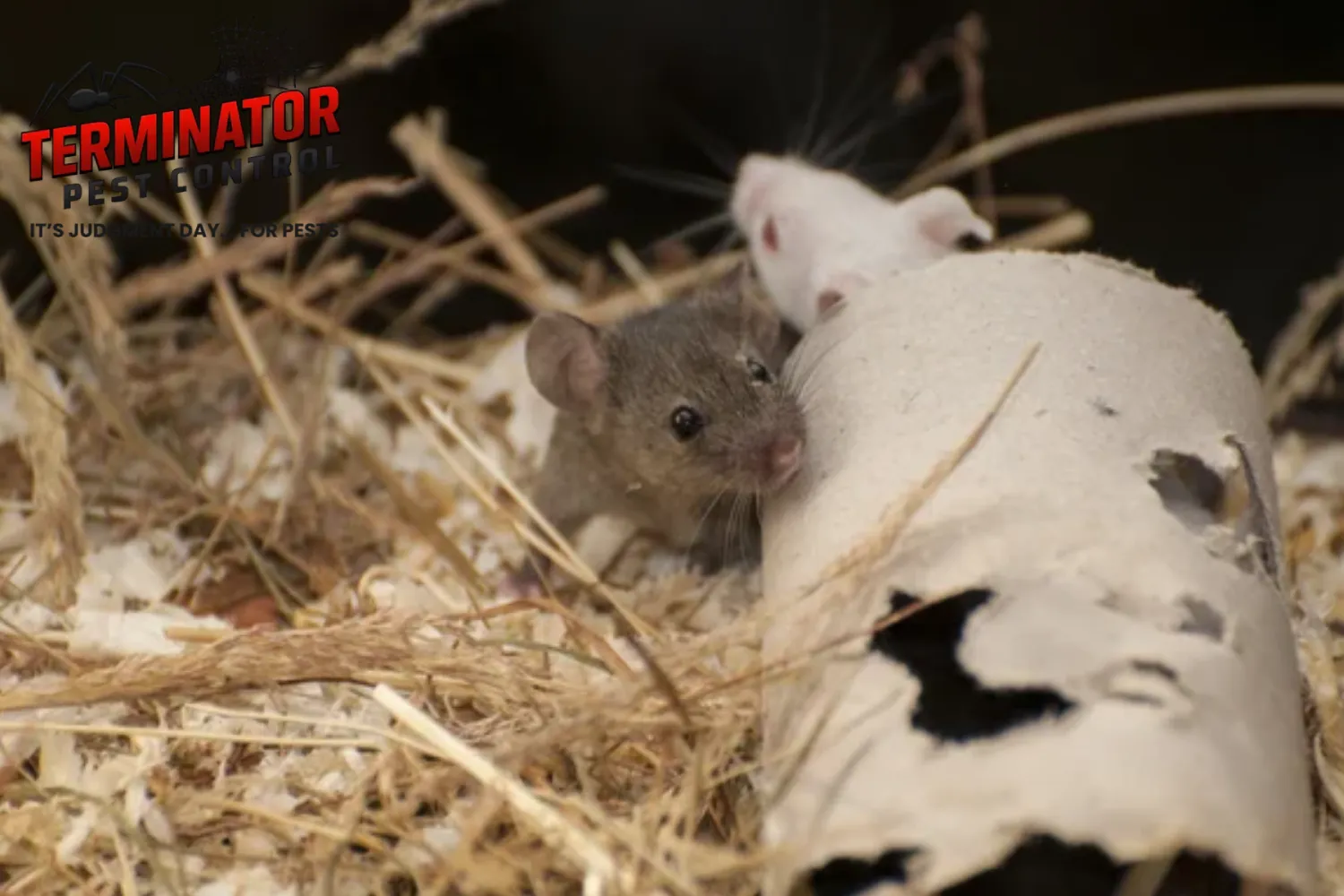

Rats prefer nesting in cellulose insulation because its dense, recycled-paper composition allows them to create stable, warm tunnels that hold their shape better than glass fibers. However, regardless of the material, an infestation severely degrades your home’s R-value by compressing the fibers, introducing moisture through waste, and creating thermal bypasses that lead to significant heat loss and increased energy bills.
Understanding the Rodent Attraction to Attic Insulation
When a homeowner discovers a rat in the attic, the primary concern is usually the noise or the potential for chewed wires. However, the silent destruction occurring within your insulation is often the most expensive long-term consequence. Insulation serves as the “blanket” for your home, and rodents see that blanket as the perfect substrate for a nursery.
In many neighborhoods, the choice of insulation material during construction often dictates the type of rodent behavior we see during an inspection. While no common insulation is truly “rodent-proof,” the physical properties of cellulose versus fiberglass create different challenges for homeowners and professional Portage pest control experts alike.
Comparing Material Appeal: Cellulose vs. Fiberglass
To understand why your attic has become a sanctuary, we must look at the mechanical properties of the materials themselves.
Nested Preferences Comparison Table
| Feature | Cellulose Insulation | Fiberglass Insulation |
| Material Base | Recycled newsprint and cardboard | Spun glass fibers and plastic |
| Structural Integrity | High; supports complex tunnel systems | Low; tunnels often collapse |
| Thermal Comfort | Excellent; high density retains body heat | Moderate; air flow can cause cooling |
| Nesting Safety | Soft and easy to manipulate | Abrasive; can irritate rodent skin/eyes |
| Absorption | High: traps urine and pheromones | Low; liquid runs to the ceiling/joists |
The Case for Cellulose
Cellulose is favored by many eco-conscious homeowners for its high R-value and recycled content. Unfortunately, these same traits make it a five-star hotel for rodents. Because cellulose is “loose-fill” and dense, a rat can excavate a sophisticated network of tunnels that do not cave in. This allows them to raise young in a stable, subterranean-like environment that is shielded from attic drafts.
The Case for Fiberglass
Fiberglass is made of tiny shards of glass. While this sounds unappealing, rats are incredibly resilient. They will still nest in fiberglass, but instead of intricate tunnels, they tend to create “cavities,” or large, flattened areas. During a recent audit for a client in a local neighborhood, we found that they had pulled chunks of fiberglass together to create a localized nest, though they avoided tunneling through the bulk of the material due to its abrasive nature.
How Rodent Activity Destroys Your R-Value
The “R-value” of your insulation is its measured resistance to heat flow. This resistance is created by tiny pockets of trapped air within the material. When rodents move in, they systematically destroy these air pockets through three primary actions.
1. Compaction and Compression
As a rat travels across your attic, it creates “runs,” highly compacted paths where the insulation has been pressed down by repeated foot traffic. In cellulose, this compression is permanent. When insulation is compressed, it loses its loft, and without loft, there is no trapped air. A 4-inch reduction in insulation height can result in a 25% to 30% loss in thermal efficiency.
2. Moisture and Thermal Conductivity
Insulation is designed to be bone-dry. Rodents, however, introduce significant amounts of moisture through urine and fecal matter. Water is an excellent conductor of heat, which is the exact opposite of what you want in an insulator. Wet insulation allows heat to “wick” right through it, effectively creating a hole in your home’s thermal envelope.
3. Thermal Bypasses
Rats often clear insulation away from heat sources, like recessed light canisters or furnace flues, to stay warm. These “bald spots” create thermal bypasses, direct chimneys that suck the expensive heated air from your living space and vent it into the cold attic. If you are searching for an exterminator in Portage, WI, you likely already suspect that your rising energy bills are linked to these hidden gaps.
Debunking the “Boric Acid” Myth
A common industry misconception is that “cellulose insulation is rodent-proof because the boric acid used as a fire retardant is toxic to rats.”
The Reality: While it is true that cellulose is treated with borates to provide fire resistance and kill small insects such as self-grooming ants or cockroaches, it is not a deterrent to mammals. Rats do not ingest the insulation as food. They simply move it. While the dust might cause minor respiratory or skin irritation, a determined one will not be stopped by boric acid treatments. Relying on the material choice alone to prevent an infestation is a recipe for disappointment. Real prevention requires professional pest control in Portage, WI, that focuses on exclusion rather than chemical treatments.
The Terminator Protocol: Our Comprehensive Solution
With over 100 years of combined expertise, our family-owned business has developed a proprietary system for restoring attics and protecting homes. We don’t just set traps; we execute a specialized protocol designed for long-term peace of mind.
Step 1: Inspect Your Home or Building for Points of Entry
Our process begins with a meticulous forensic analysis. We inspect your home or building for points of entry, looking for gaps as small as a quarter. Whether it’s a gap in the fascia, a loose vent, or a plumbing stack, we identify the “how” before we deal with the “who.”
Step 2: Rodent Proofing and Exclusion
Once we know how they are getting in, we implement high-grade rodent proofing. This involves using gnaw-proof materials like steel mesh and professional sealants to “button up.” the structure. This is the most critical step in ensuring that once the current residents are gone, no new ones can take their place.
Step 3: Sanitation and Removal of Rodent Feces
Leaving contaminated insulation in place is a health hazard. Our team specializes in removing rodent feces and extracting soiled insulation. We use high-powered, HEPA-filtered vacuums to ensure that dust and pathogens are not blown back into your living space. Following removal, we perform deep sanitation to kill bacteria and viruses left behind.
Step 4: Sanitation and Moisture Management
A clean attic is a dry attic. We incorporate sanitation and moisture management to ensure that the pheromones, the “scent trails” that tell other rats your attic is a haven, are completely neutralized. This prevents the “re-infestation cycle” that plagues so many DIY attempts.
Why Professional Expertise Matters
Living in the Midwest means dealing with extreme temperature fluctuations. In the winter, your attic is a beacon of warmth for every rodent in the county. As a trusted exterminator, we understand the unique structural challenges of local homes, from historic farmhouses to modern builds in new neighborhoods.
Our brand is built on professionalism, trustworthiness, and family orientation. We understand that a problem isn’t just a nuisance; it’s a threat to your family’s safety and your home’s value. That is why our Gold and Platinum Pest Protection Plans focus on customized, long-term prevention rather than just “quick fixes.”
People Also Ask (FAQ)
Can I just add new insulation over the old, contaminated stuff?
No. Adding new insulation over rodent waste traps the moisture and pheromones against your ceiling. This can lead to persistent odors, mold growth, and a “beacon” that attracts future rodents to the same spot.
Is rat-contaminated insulation a health risk?
Yes. Rodent waste can carry Hantavirus, Salmonellosis, and Leptospirosis. These pathogens can become airborne if the insulation is disturbed, which is why professional removal of rodent feces is highly recommended.
How do I know if my R-value has been affected?
Common signs include uneven temperatures between rooms, high heating/cooling bills, and “cold spots” on your ceiling. If you see visible tunnels or droppings in your attic, your R-value is almost certainly compromised.
Will homeowners’ insurance cover attic restoration?
Every policy is different, but many will cover the “sudden and accidental” damage caused by rodents, including insulation replacement. We recommend checking with your agent for your specific coverage details.
Restore Your Peace of Mind Today
At Terminator Pest Control, we are more than just a service provider; we are your partners in home health. We believe in integrity, customer satisfaction, and delivering eco-friendly solutions that actually work. Our goal is to make you feel secure and reassured, knowing that your home is being protected by a dedicated team with a century of expertise.
If you’ve noticed a spike in your energy bills or heard the tell-tale scratching of a rat in the night, don’t wait for the damage to worsen. Our licensed and certified technicians are ready to provide a thorough inspection and a tailored plan to restore your home’s comfort and efficiency.
Ready to reclaim your attic? Contact us today for a free quote or to learn more about our comprehensive Pest Protection Plans. Let us help you protect your environment with the care and attention to detail you deserve.