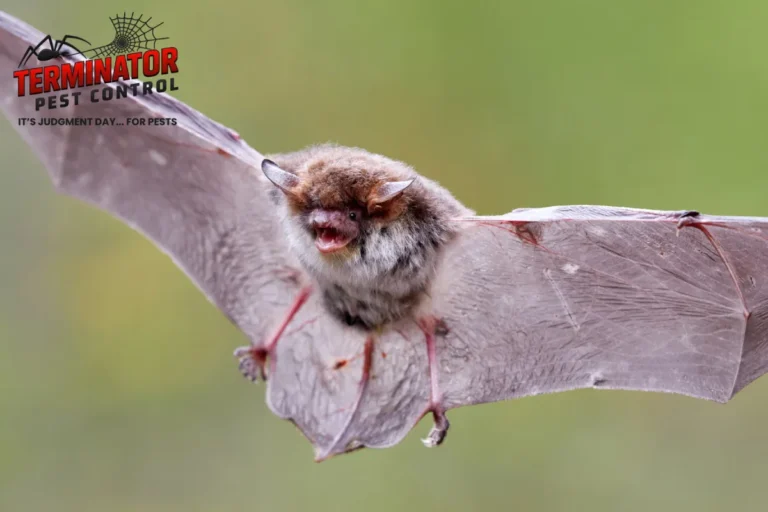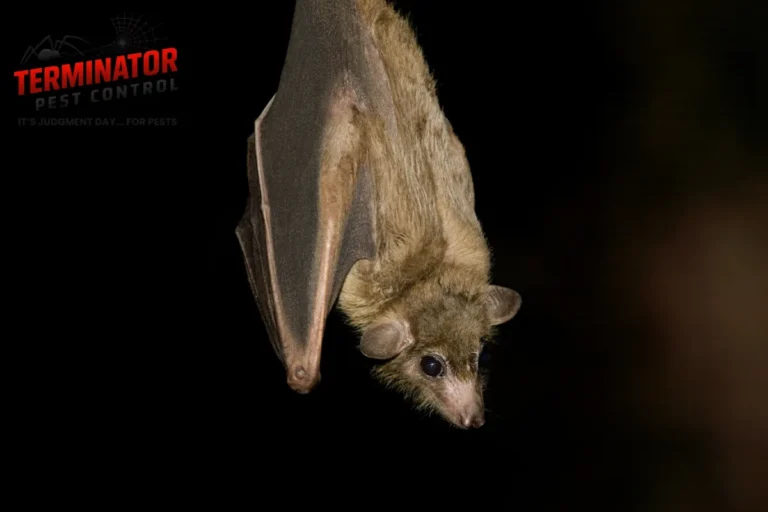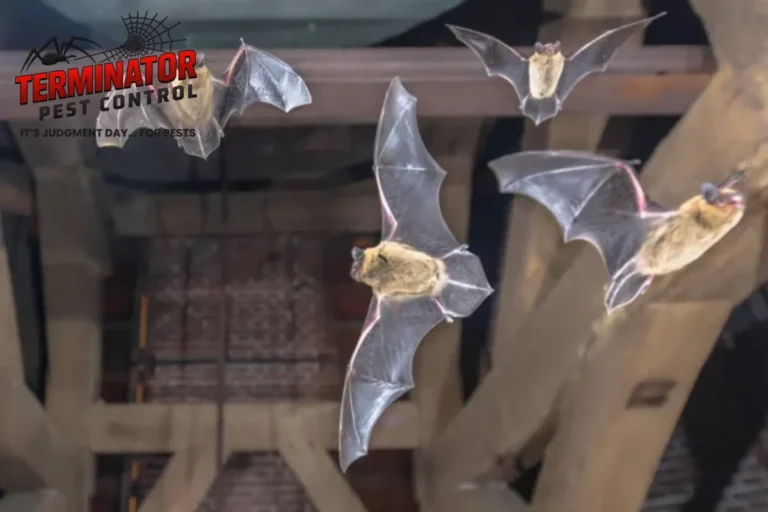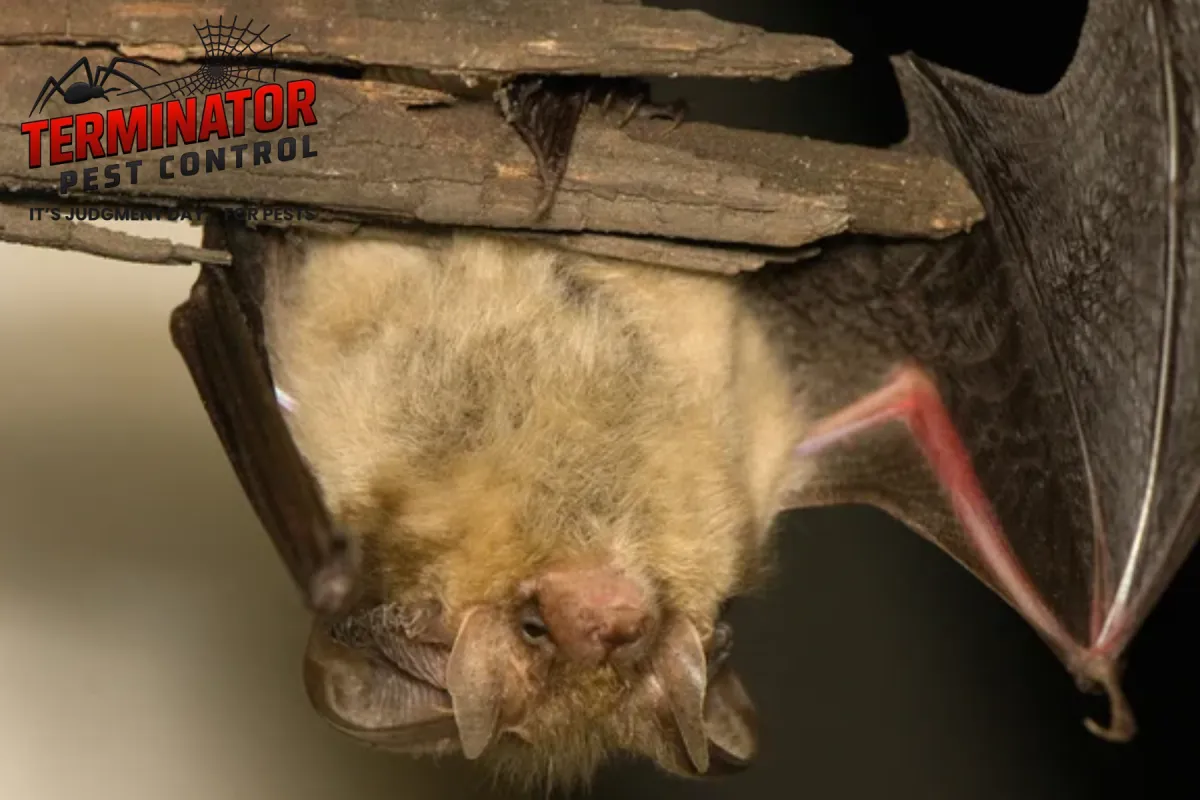

To perform a bat emergence survey, position observers at opposite corners of your home 30 minutes before sunset and maintain an upward focus on the roofline for at least one hour. Look for bats dropping from eaves or squeezing through gaps as small as $1/4$ inch; their erratic, fluttering flight patterns near vents or fascia boards will reveal exactly where they are roosting.
If you suspect you have uninvited winged guests in your attic, the “twilight watch” is your most powerful diagnostic tool. Because bats are a protected species in Wisconsin, you cannot simply seal holes at random; you must know exactly where they are coming and going to ensure no animals are trapped inside. Performing a professional-grade survey allows you to map out the infestation, providing the blueprint needed for a successful, long-term resolution.
Planning and Executing the Twilight Observation
An emergence survey is the most effective non-invasive method to determine the “hot spots” of your home’s exterior. Since bats are nocturnal and highly light-sensitive, the window for observation is narrow. Precision in timing and positioning is the difference between identifying an entry point and sitting in the dark.
Step-by-Step Emergence Protocol
- Check the Weather: Bats are fair-weather flyers. Ensure the evening temperature is at least 55°F (18°C) with low wind and no heavy rain. In colder or stormy conditions, the colony may skip its nightly forage, leading to a “false negative” survey.
- Position Observers: Place a person at each of the structure’s two diagonal corners. This “cross-view” ensures that all four sides of the house and the entire roofline are monitored simultaneously.
- The “Silicon Window”: Start your watch 30 minutes before the official sunset time. Most bats emerge during civil twilight, the period when the sun is below the horizon, but there is still enough light to see silhouettes against the sky.
- Watch the Silhouettes: Do not look for bats against dark siding or shingles. Instead, keep your eyes on the “skyline” of your roof. It is much easier to spot a dark shape breaking the clean line of a peak or chimney against the fading blue of the sky.
Comparison of Visual Cues: What to Look For
Identifying a bat exit point requires distinguishing between a bat simply hunting near your home and one actually emerging from the building structure. During a recent audit for a property in Middleton, we observed that homeowners often mistake “fly-bys” for local entry points, leading to unnecessary repairs in the wrong areas.
| Observation | Likely Meaning | Action Required |
| Direct Exit | A bat drops or flies straight out of a gap or vent. | Confirm as a Primary Entry Point. |
| Swarming | Multiple bats circling or “diving” at a specific eave. | Highly likely entry/exit area; look for rub marks. |
| Staging | Bats land briefly on the siding before entering. | Secondary point of interest: indicates a “rest” stop. |
| Fly-By | A bat passes the house at high speed without stopping. | Likely a neighbor’s colony or a tree-roosting bat. |
Applying our Comprehensive Protection Strategies to Solve This
At Terminator Pest Control, we move beyond simple observation to total protection. Once your twilight survey is complete, we apply our proprietary framework to ensure your home is restored. This process is backed by our licensed and insured professionals who bring over 100 years of combined expertise to every job.
Detailed Inspection
The survey is just the beginning. Our team follows up with a detailed inspection of the roofline and attic interior. We look for “rub marks,” dark, oily stains left by the oils in bat fur, and guano accumulations that confirm the findings of your emergence watch. This ensures we aren’t just treating a symptom, but identifying the structural root of the problem.
Humane Exclusion and Prevention
We never use poisons or traps. Instead, we utilize humane one-way devices that act as valves for your home. These allow bats to leave the structure to hunt, but prevent them from finding their way back in. This humane exclusion process is the only legal and ethical way to handle colonies in Wisconsin. Once the bats have moved on, we begin sealing and prevention work, using industrial-grade materials to “harden” your home against future generations.
Cleanup and Restoration
A bat infestation leaves behind biological hazards. Our cleanup and restoration services address guano and urine that can lead to respiratory issues such as histoplasmosis. We sanitize the attic space and can replace contaminated insulation, restoring your home to a safe, healthy environment for your family.
Debunking the “Bats Fly into Hair” Myth
A common industry misconception, and a fear we often hear from residents seeking Middleton bat removal, is that bats will “dive-bomb” or “attack” people during an emergence survey. In reality, bats have zero interest in humans. Their erratic flight patterns near your head are a sign of their precision; they are hunting insects attracted to your body heat and the carbon dioxide you exhale. Using advanced echolocation, they can navigate around a human with millimeter-level accuracy.
Essential Equipment for a Professional Survey
While you can perform a basic survey with the naked eye, Terminator Pest Control utilizes specialized tools for more accurate bat removal in Middleton:
- Acoustic Bat Detector: These devices “listen” for ultrasonic calls and translate them into audible clicks, helping us identify species and activity levels.
- Low-Light Binoculars: These help identify the specific gap (fascia board, ridge vent, or chimney flashing) being used when the light begins to fail.
- High-Lumen Inspection Lights: Used after the bats have emerged to check for structural gaps and staining.
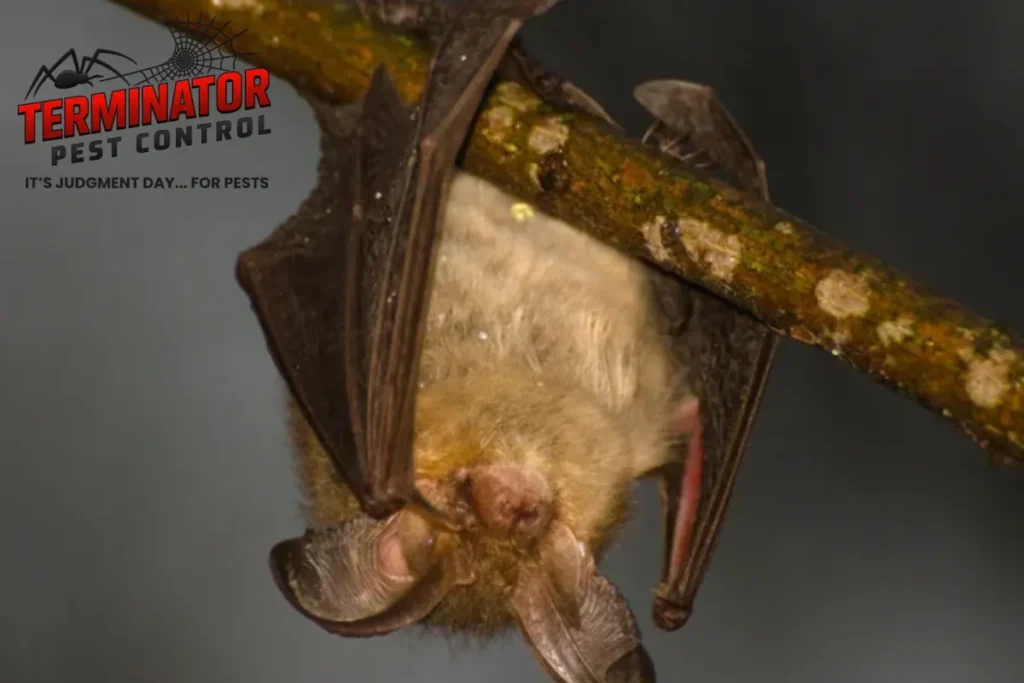
- Species Identification Guides: Knowing whether you have Big Brown or Little Brown bats helps determine the timing of the exclusion, as their maternity cycles differ.
Why Local Expertise Matters for Homeowners
When you are looking for bat removal in Middleton, WI, you need a partner who understands local building styles. Our family-owned values drive us to provide tailored solutions for the unique neighborhoods in our service areas. We know that a modern home near a conservancy has different pest pressures than a historic brick building downtown.
With our 100+ years of combined expertise, we offer personalized service and a satisfaction guarantee. Whether you choose our Gold or Platinum Pest Protection Plans, you can rest assured that your home is being handled with the care and attention to detail it deserves. We prioritize your safety and comfort, treating every job as if we were protecting our own family
People Also Ask (FAQ)
How long should I watch for bats during a survey?
You should watch for at least 60 minutes. Peak emergence usually happens 15–25 minutes after sunset, but different species have different “wake-up” times.
What if I don’t see any bats but know I have them?
Bats are sensitive to barometric pressure. If a storm is approaching, they may stay in the attic. We recommend performing three surveys over a week to confirm a “clear” home.
Is it legal to remove bats in Wisconsin at any time?
No. Wisconsin has “blackout dates” during the summer pup season (usually June and July). Our licensed and insured professionals strictly follow DNR regulations to ensure no flightless young are trapped inside during a bat removal.
Restore Peace of Mind with Terminator Pest Control
You deserve to feel secure and reassured in your home. At Terminator Pest Control, we are dedicated to providing the reliable, customer-centered solutions you need to protect your environment. Our goal is to restore your comfort by combining professional expertise with approachable, friendly service.
Ready to reclaim your home from bats? Don’t let the stress of an infestation disrupt your daily life. Contact us today for a free quote or to schedule a consultation. Let our family-owned team put our century of expertise to work for you, ensuring your home is safe.