
Paper wasps may return to the same nesting areas after a nest is removed because the location still offers shelter, protected surfaces, and access to food. Removing an old nest does not stop another colony from building nearby. Inspecting the area and addressing conditions that support nesting can help reduce repeat activity.
Why Paper Wasps Return to the Same Nesting Areas
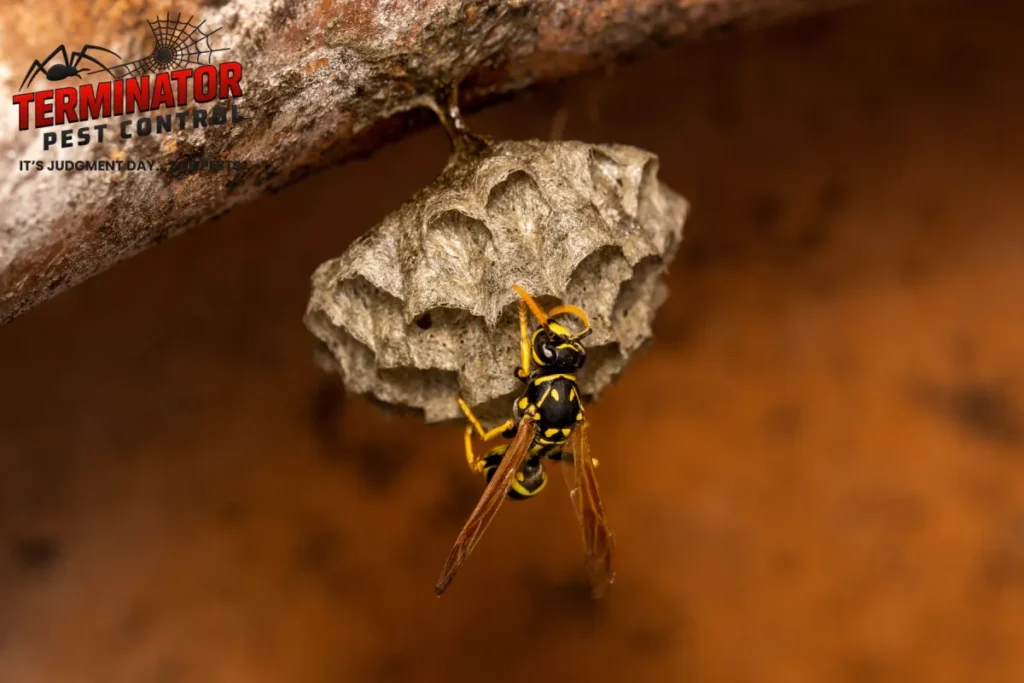
Removing a paper wasp nest addresses the immediate problem, but it does not always prevent future nesting. Paper wasps often build their nests under roof eaves, porch ceilings, deck railings, and other sheltered surfaces. If these areas remain undisturbed, they may still provide suitable places for another nest.
Seeing wasps near a former nesting site does not necessarily mean the original colony has returned. A new colony may select the same location because it offers protection from rain and wind. The surrounding environment may also provide access to insects and other food sources.
Homeowners in Cambria may notice wasps gathering around the same roofline, porch, or outdoor structure after a nest has been removed. Rather than assuming the old colony is back, observe the activity from a safe distance and look for signs of new nest construction.
Understanding why paper wasps favor certain areas can help you decide what to monitor and when to seek professional pest control in Cambria.
What Makes a Nesting Area Attractive to Paper Wasps?
Paper wasps look for protected surfaces where they can attach their nests. These locations can remain suitable even after an existing nest has been removed.
Common Nesting Locations
- Roof eaves and overhangs: These surfaces offer shelter from rain and harsh weather.
- Porch ceilings: Protected corners can provide stable places for nest attachment.
- Deck railings and outdoor structures: Undisturbed sections may provide suitable nesting spots.
- Sheds and garages: Sheltered surfaces can support nesting when wasps have access.
- Exterior corners and window frames: Protected spaces may be used for small nests.
Paper wasps do not need to build a new nest in exactly the same spot to create another problem. A nearby surface may offer similar shelter. For this reason, checking the surrounding area is often more useful than focusing only on the location where the old nest was attached.
You do not need to remove every sheltered surface around your property. Instead, include common nesting spots in routine visual checks and contact a Cambria pest control professional if wasps repeatedly build nests in areas where people may be exposed to stings.
How to Tell Whether Paper Wasps Are Returning or Building a New Nest
A few wasps flying near a former nest do not automatically indicate that a new colony is forming. They may be searching for food or moving through the area. Repeated visits to one attachment point, especially when a small nest begins to appear, may indicate a new nesting attempt.
Use this comparison to understand what you observe.
| What you notice | What it may mean | Recommended next step |
| One or two wasps flying nearby | They may be foraging or passing through | Observe from a safe distance |
| Wasps repeatedly landing on the same surface | The area may be under investigation for nesting | Monitor the location without approaching |
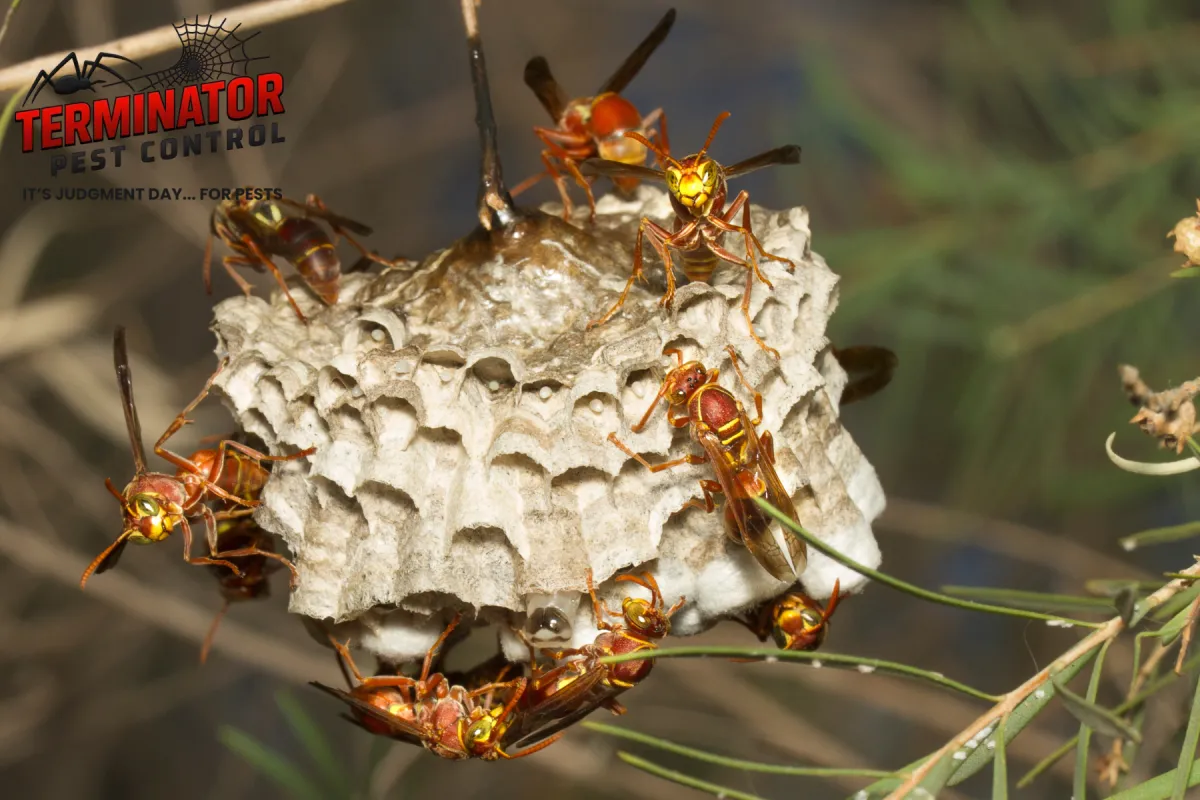
| A small open-comb nest appears | A new nest may be forming | Contact a professional if the location presents a risk |
| Wasps enter a gap in a wall or roof | A concealed nest or another wasp species may be involved | Do not block the opening; arrange an inspection |
| Activity increases around several sheltered spots | More than one location may be suitable for nesting | Consider a professional exterior assessment |
These signs are clues, not proof of the colony’s identity. Avoid approaching a nest to examine it closely or disturbing wasps to see how they respond.
How to Prevent Paper Wasps From Building Another Nest
Removing a nest does not change every condition that made the area suitable. The following steps can help you monitor the property and reduce some avoidable factors that may contribute to recurring activity.
1. Inspect the Former Nesting Area
From a safe distance, check whether wasps continue visiting the original attachment point. Look for repeated landings or signs of a new nest beginning to form. If the area is high, difficult to access, or close to a frequently used entrance, arrange a professional inspection instead of climbing or reaching toward it.
2. Keep Outdoor Eating Areas Clean
Paper wasps hunt other insects and may visit outdoor areas where food and drinks are left unattended. Clean up food scraps, keep waste containers closed, and remove leftover sugary drinks after outdoor gatherings.
These steps can reduce some accessible food sources, although they will not eliminate all the insects that paper wasps naturally feed on.
3. Maintain Sheltered Areas Around the Property
Include roof eaves, porch ceilings, sheds, and other protected surfaces in routine home inspections. Keep outdoor storage areas organized and trim vegetation where it blocks your view of potential nesting locations.
The goal is to make new activity easier to notice. Do not attempt to seal an opening or alter a structure if doing so could disturb an active nest.
4. Avoid Disturbing Active Nests
Do not scrape, spray, or knock down a nest when you are unsure whether it is active. Paper wasps may sting when they feel threatened, so attempting removal without the right equipment and experience can create unnecessary risk.
Professional assistance is especially important when a nest is near a doorway, walkway, or other area used regularly by people.
5. Seek Professional Advice When Activity Continues
If wasps repeatedly build nests in the same area, a technician can assess the species, location, and conditions around the property. The findings can help determine an appropriate control method and whether further prevention steps are advisable.
Common Myth: Removing a Paper Wasp Nest Guarantees They Will Never Return
Removing an old nest does not guarantee that paper wasps will never use the area again. Nest removal addresses the existing structure, but nearby sheltered surfaces and other favorable conditions may remain unchanged.
A different colony may later choose the same location. This does not necessarily mean the previous nest was removed incorrectly or that the same wasps have returned. The area may simply continue to offer suitable conditions for nesting.
A better approach is to combine appropriate nest treatment with regular observation and property maintenance. If new activity appears, identify where the wasps are gathering from a safe distance and seek professional advice before attempting another removal.
Applying Our “Expert Technicians Provide Fast, Reliable Solutions” Approach
Terminator Pest Control’s service message is built around providing expert technicians who deliver fast, reliable solutions. In practice, this means identifying the stinging insects, assessing the situation, and recommending a control method suited to the nest and its location. It also means explaining the next steps clearly so customers can make informed decisions.
Step 1: Identify the Stinging Insect
Different stinging insects can require different control methods. Terminator Pest Control identifies the species before recommending a course of action. This helps ensure that the proposed response is suited to the insect involved rather than based only on its appearance or the location of the nest.
Step 2: Assess the Nest and Surrounding Area
The technician evaluates the situation, including where the wasps are active and how accessible the nesting area is. A nest near an entrance or in a difficult-to-reach spot may require additional care when planning the work.
This assessment helps determine the appropriate method of control and whether further attention to the surrounding structure is advisable.
Step 3: Recommend the Appropriate Control Method
Once the species and situation have been assessed, Terminator Pest Control recommends a suitable method of control. The company’s stinging insect service information also describes exterior applications that can help prevent stinging insects from establishing, particularly paper wasps.
The appropriate approach depends on the conditions found during the assessment. No single method can guarantee that another colony will never build nearby.
Step 4: Explain Prevention and Follow-Up
After assessing or treating the problem, the technician can explain what homeowners should watch for and whether additional prevention measures are appropriate. Clear guidance helps customers understand what has been addressed and when recurring activity may warrant another inspection.
This approach connects fast, reliable service with careful assessment and practical recommendations. It focuses on the specific problem instead of promising that one treatment will prevent all future activity.
When Should You Call a Professional for Paper Wasp Control?
Consider professional help if paper wasps repeatedly build nests near doorways, patios, walkways, or other frequently used areas. Assistance is also advisable when a nest is high above the ground, difficult to reach, or associated with defensive behavior.
Homeowners researching pest control in Cambria, WI should ask whether the service includes identifying the insect, assessing the nest’s location, and explaining the recommended control method. It is also helpful to confirm any inspection fees before scheduling.
Do not approach an active nest, climb a ladder to reach it, or block an opening that may lead to a nest inside a structure. If you cannot safely determine where the wasps are coming from, leave the area undisturbed and contact a professional.
Terminator Pest Control handles stinging insects, including wasps, hornets, and bees, and tailors its recommendations to the species and nest location. Contact us today to learn more or request an inspection.
The company notes that an inspection fee may apply to some stinging insect jobs because they can require extra time to assess and price. If you hire the company to complete the work, a portion of the inspection fee will be credited toward the job. Confirm the current terms when scheduling.
People Also Ask About Paper Wasps Returning
Do paper wasps return to the same nest after it is removed?
Paper wasps do not always return to rebuild the same nest. However, another colony may choose the same area if it still provides suitable shelter and a place to attach a nest.
Why are paper wasps still flying around after nest removal?
They may be searching for food, passing through, or exploring the former nesting area. Repeated visits to one spot may indicate a new nesting attempt, but flying activity alone does not confirm that a nest is present.
Does removing an old paper wasp nest prevent new nests?
No. Removing the existing nest does not guarantee that another colony will not use the same area. Monitoring and routine property checks can help homeowners notice new activity earlier.
How can I discourage paper wasps from nesting under roof eaves?
Inspect sheltered areas regularly from a safe distance and watch for early signs of nest construction. If wasps repeatedly build in the same location, ask a pest control professional about suitable prevention and control options.
Should I remove a paper wasp nest myself?
Avoid disturbing a nest if you are unsure whether it is active or cannot reach it safely. Paper wasps may sting when threatened, so professional help is advisable when the nest is difficult to access or near people.
When should I contact a pest control professional?
Contact a professional when nests repeatedly appear, wasps gather near high-traffic areas, or the nest is difficult to reach. A technician can identify the insect, assess the situation, and recommend an appropriate control method.
Conclusion: Prevent Repeat Nesting With Professional Guidance
Paper wasps may return to the same nesting areas because the location remains suitable, even after the original nest has been removed. Monitoring the area, keeping outdoor spaces clean, and avoiding disturbance can help you respond to new activity more safely.
If wasps continue building nests near your home or business, Terminator Pest Control can assess the situation and explain suitable control options. Contact us to request an inspection and discuss the next steps with our team. Our expert technicians provide fast, reliable solutions with a focus on professional service and customer care.