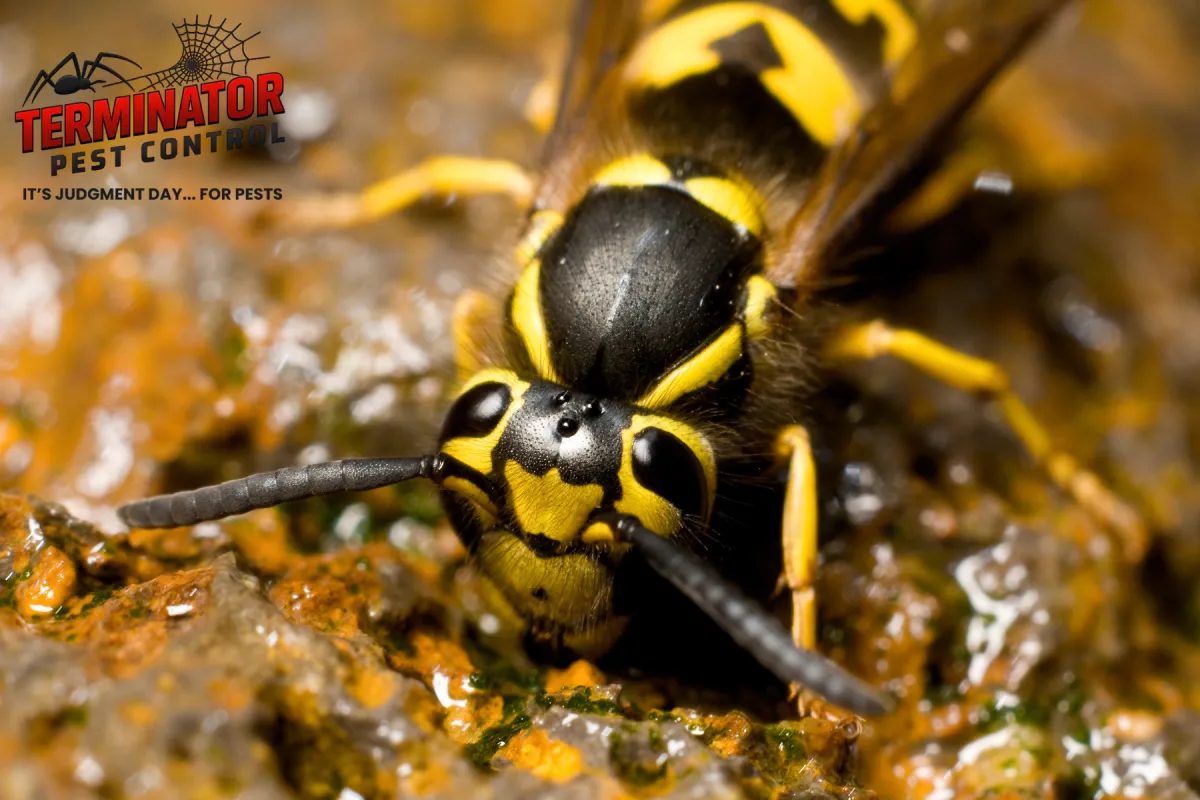

Yellow jackets swarming around a ground hole may be entering and leaving an underground nest. Some species build nests in existing soil cavities, including abandoned rodent burrows, and repeated activity around one opening can signal an active colony. Keep your distance and avoid digging, sealing the hole, or disturbing the area.
Seeing several yellow jackets flying in and out of the same spot can be concerning, especially when the hole is near a walkway, garden, or play area. Understanding why they gather there can help you recognize a possible nest and decide when to call a pest control professional.
Why Are Yellow Jackets Gathering Around Holes in the Ground?
Some yellow jacket species build their nests below ground. They may use existing cavities in the soil instead of creating a clearly visible nest above the surface. From the outside, the entrance can look like an ordinary hole in the yard.
Underground Nests Provide Shelter
Yellow jackets are social wasps that live in colonies. Depending on the species, a queen may start a nest in a protected space, and the colony grows as workers raise more young. Abandoned rodent burrows and other soil cavities can provide access to suitable nesting spaces.
The opening you see may be only the entrance. The nest itself can extend farther underground, so the size of the hole does not tell you how large the colony is.
Worker Wasps Use the Hole to Enter and Leave
Workers travel between the nest and nearby food sources. When a colony is active, you may see yellow jackets following a repeated flight path to one opening.
A few wasps flying over the lawn do not automatically mean there is a nest. However, repeated traffic into and out of the same hole is a reason to keep away and arrange a professional assessment.
Nearby Food May Attract More Yellow Jackets
Yellow jackets also search for food around yards and outdoor living spaces. Common attractants include:
- Open garbage bins and food scraps.
- Fallen or overripe fruit.
- Sugary drinks and outdoor meals.
- Pet food left outside.
- Other insects that yellow jackets hunt.
Food can bring more workers into an area, but it does not necessarily explain why a nest was built in a particular spot. Removing food attractants may reduce foraging, but it will not eliminate an established underground colony.
How Can You Tell if a Ground Hole Contains a Yellow Jacket Nest?
The clearest warning sign is repeated yellow jacket activity around the same entrance. You do not need to approach the hole to look for these signs. Observe only from a safe distance, and do not linger near the suspected nest.
Five Signs of a Possible Underground Nest
- Repeated entry and exit: Several yellow jackets use the same opening throughout the day.
- A steady flight path: Wasps repeatedly fly toward one point in the ground.
- Concentrated activity: More insects gather around one section of the yard than nearby areas.
- Defensive behavior: Wasps react when someone approaches the entrance or disturbs the surrounding soil.
- Recurring activity: The same opening continues to attract yellow jackets over time.
These signs may point to an active nest, but they do not confirm the species or the colony’s size. Avoid getting closer to inspect the hole or the insects’ markings.
Yellow Jackets vs. Other Insects Around Ground Holes
Not every hole in a lawn contains yellow jackets. Other insects and small animals may use openings in the soil, so consider the activity you can safely observe rather than judging by the hole alone.
| Feature | Possible Yellow Jacket Nest | Other Ground-Nesting Insects |
| Activity | Several wasps may enter and leave one opening | Activity varies by species |
| Flight pattern | Workers may follow a clear route to the entrance | Some insects move individually or show less concentrated traffic |
| Colony behavior | Yellow jackets are social wasps | Some ground-nesting insects are solitary |
| Defensive response | A colony may defend the nest if disturbed | Behavior varies by species |
| Identification | Repeated yellow jacket traffic may suggest a nest | Further assessment may be needed |
If you cannot tell what is using the hole, do not approach it to find out. A professional can assess the activity and recommend the next step.
Why Are Yellow Jackets More Active Around Some Ground Holes?
Activity around a nest can change over time. Colony growth, weather, and nearby food sources can all affect how often workers appear around the entrance.
Colony Growth Can Increase Activity
As a colony develops, more workers may travel between the nest and the surrounding area. This can make a nest that went unnoticed earlier seem suddenly busy.
An increase in visible activity does not always mean the nest entrance has changed. It may simply mean that more workers are using it.
Weather and Seasonal Changes Affect Activity
Yellow jacket activity often varies with temperature and the stage of the colony’s life cycle. Warm conditions can support more visible activity, while cooler weather may slow it down. Patterns differ by species and local conditions.
Do not assume a nest is inactive just because you see fewer wasps at one time of day or during a change in weather. If you suspect an active nest, keep away until the situation has been assessed.
Food Sources Can Bring More Wasps Into the Yard
Food scraps, open garbage, fallen fruit, and pet food can attract foraging yellow jackets. These sources may increase the number of wasps you see around an outdoor area.
To reduce food attractants:
- Keep garbage bins closed.
- Pick up fallen fruit when it is safe to do so.
- Bring pet food indoors after feeding.
- Clean up food scraps and sugary spills.
- Cover food and drinks during outdoor meals.
These steps can help limit foraging, but they will not eliminate a nest beneath the ground.
What Should You Do if Yellow Jackets Are Swarming Around a Ground Hole?
If you suspect an underground nest, focus on keeping people away rather than trying to remove it. Yellow jackets may defend their colony when disturbed, and a hidden nest can be difficult to assess safely.
Follow These Six Safety Steps
- Keep your distance. Do not stand near the opening or approach to watch the insects.
- Keep children and pets away. Use another route through the yard and prevent access to the affected area.
- Avoid disturbing the soil. Do not dig, mow directly over the opening, or use garden tools near the suspected nest.
- Do not block the hole. Sealing the entrance may not eliminate the colony and could disturb the wasps.
- Remove nearby food attractants only if safe. Secure garbage and bring pet food indoors without going near the nest.
- Contact a pest control professional. Explain where the activity occurs and what you have observed.
Professional help is especially important when the suspected nest is near a walkway, garden, play area, or entrance. People may accidentally approach the opening during normal outdoor activities. Homeowners seeking pest control in Sun Prairie can contact a professional to assess the nest and recommend the appropriate next steps.
Anyone who develops trouble breathing, swelling of the tongue or throat, faintness, or other signs of a severe allergic reaction after a sting should seek emergency medical care immediately.
Common Myth: Pouring Water Into a Ground Hole Will Get Rid of Yellow Jackets
Myth: Pouring water into the opening or covering it with soil is an easy way to eliminate an underground yellow jacket nest.
Fact: These methods may fail to reach or eliminate the colony and can provoke defensive behavior. The nest may extend beyond the visible opening, and blocking the entrance does not prove that the insects are gone.
There are several reasons to avoid this approach:
- The hole may be only one entrance to a larger nest.
- Water may not reach the colony or eliminate all the insects.
- Soil or other materials may block the visible opening without resolving the problem.
- Digging or pouring materials into the hole can bring you too close to the colony.
Do not attempt improvised nest removal. Keep people and pets away and seek professional advice about the safest next step.
Applying Our “Exterior Applications, Expert Technicians Provide Fast, Reliable Solutions” Approach to Yellow Jacket Nests
At Terminator Pest Control, effective service starts with understanding the problem rather than treating every pest situation the same way. Our approach combines careful assessment, clear recommendations, and suitable control methods to help homeowners make informed decisions about suspected yellow jacket nests.
Step 1: Assess the Activity and Suspected Nest Location
The first step is to understand what is happening around the hole. A technician can assess the reported activity, the entrance’s location, and nearby areas where people spend time. This helps determine whether the signs are consistent with an active nest and what concerns need attention.
Step 2: Consider the Risks Around the Property
A suspected nest beside a garden path may present a different concern from one in a quiet corner of the yard. The entrance’s location, the amount of foot traffic, and the presence of children or pets all help shape the recommended response.
For homeowners in Sun Prairie, keeping people away from the affected area and noting where the activity occurs are useful first steps while arranging professional help.
Step 3: Recommend an Appropriate Control Method
Once the situation has been assessed, the recommended control method should fit the suspected insect, nest location, and level of activity. A hidden underground nest may require a different approach from insects gathering around an outdoor food source.
Terminator Pest Control’s stinging insect service explains that the team identifies the insect species, assesses the situation, and recommends a method of control. The specific treatment should be determined after the site and conditions have been evaluated.
Step 4: Explain Exterior Applications and Prevention
Exterior applications are one part of a broader Sun Prairie pest control approach. When appropriate for the property and target pest, treatment to exterior areas may help manage insect activity around a structure. The method and treatment location should depend on the pest and the conditions found during the assessment.
Exterior applications should not be presented as a guaranteed way to eliminate every underground yellow jacket nest. A technician needs to determine whether the activity is linked to a ground nest, insects foraging for food, or another source before recommending a treatment.
Prevention advice may also include securing garbage, removing food scraps, and keeping people away from known nesting areas. These steps support safety and can reduce food attractants, but they do not replace appropriate control for an active nest.
Step 5: Provide Clear Guidance on Next Steps
The promise that our expert technicians provide fast, reliable solutions means customers receive a focused assessment, an explanation of the recommended approach, and practical guidance on what to do next. It also means being clear about the limits of prevention and why the right treatment depends on the actual situation.
For property owners looking for pest control in Sun Prairie, WI, this process helps them understand the problem and choose a suitable response without taking unnecessary risks.
Terminator Pest Control aims to provide professional, customer-centered service that helps families and businesses feel more secure. Learn more through our Stinging Insects service page or contact the team to discuss a suspected nest. An inspection fee may apply to stinging insect jobs because these inspections can take extra time. If you hire the company to do the work, a portion of the fee is credited toward the job. Confirm the details when scheduling.
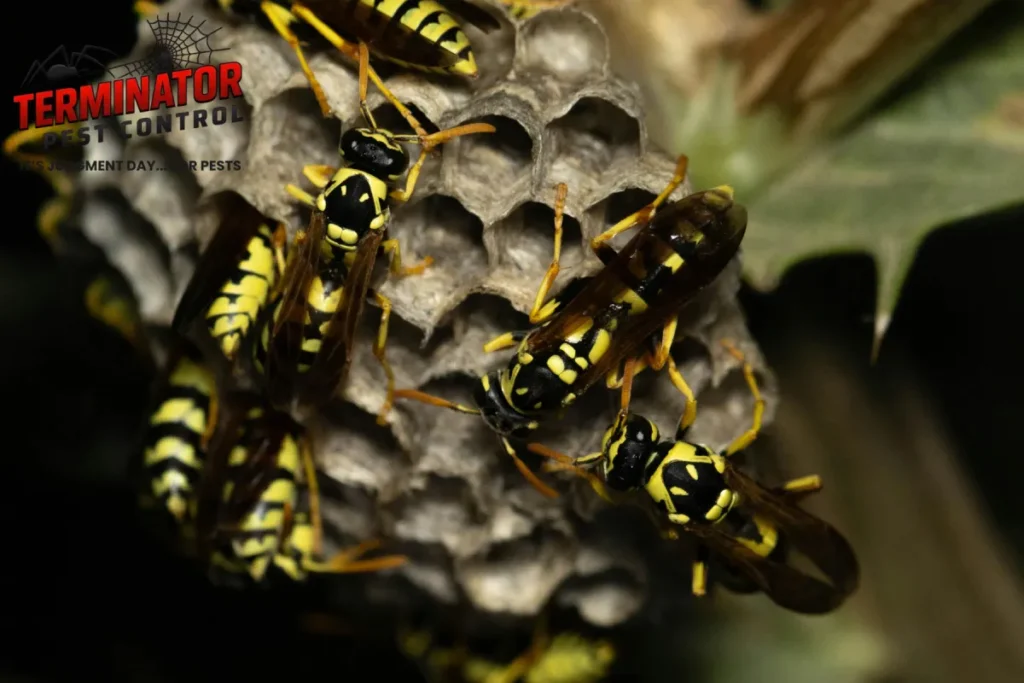
People Also Ask: Yellow Jackets Around Ground Holes
Why Are Yellow Jackets Going in and Out of a Hole in My Yard?
They may be using the opening to enter and leave an underground nest. Repeated traffic through the same hole can indicate an active colony, although the hole alone does not confirm the species.
Do Yellow Jackets Build Nests Underground?
Yes. Some yellow jacket species build nests below ground, often using existing cavities such as abandoned rodent burrows.
Is It Dangerous to Walk Near a Yellow Jacket Nest in the Ground?
Approaching an active nest can be risky because yellow jackets may defend the colony when disturbed. Keep away from the entrance and prevent children and pets from accessing the area.
Should I Cover a Yellow Jacket Hole With Dirt?
No. Covering the opening may not eliminate the colony and could disturb the wasps. Keep your distance and seek professional guidance.
Will Removing Food Sources Get Rid of an Underground Nest?
No. Securing garbage, removing fallen fruit, and bringing pet food indoors can reduce food attractants, but these steps will not eliminate an established nest.
When Should I Call a Pest Control Professional for Yellow Jackets?
Contact a professional when you notice repeated yellow jacket activity around a ground hole, especially if the nest is near a walkway, entrance, play area, or other frequently used space.
Keep Your Distance and Address the Nest Safely
Yellow jackets repeatedly entering and leaving a ground hole may be using it as an entrance to an underground nest. Do not dig into the area, pour water into the opening, or try to seal it. Keep children and pets away while you arrange a professional assessment. Terminator Pest Control can assess the situation and recommend the appropriate next steps to help protect your family and property.
If you suspect a yellow jacket nest around your home or business, we can assess the situation and explain the available options. Call us today to discuss your concerns and request an inspection.