
Stinging insects keep flying into the same window or door because they may be attracted to light, glass reflections, food odors, or a nearby nest. They may also follow a regular flight path around the property. Observing where they gather and whether they repeatedly enter the same opening can help identify the likely cause.
Why Do Stinging Insects Keep Returning to the Same Window or Door?
Bees, wasps, and hornets may gather around the same opening for different reasons. Their presence does not always mean a nest is inside the home.
- Light and reflections: Glass may reflect the sky, trees, or nearby plants, confusing some flying insects.
- Food and drink odors: Sweet drinks, ripe fruit, food scraps, and uncovered trash can attract some wasps.
- Nearby flowers: Bees may visit plants near windows and doors while searching for nectar and pollen.
- A nearby nest: Wasps or hornets may repeatedly travel between a nest and nearby food sources.
- Regular flight paths: Insects may follow the same route while moving between their nest, shelter, and food.
- Exterior gaps: Openings around siding, door frames, or roof edges may provide access to sheltered spaces.
The pattern matters. An insect repeatedly hitting glass may be responding to a reflection, while several insects entering the same gap may indicate a possible nesting site. Neither behavior alone confirms the cause.
Which Stinging Insects Commonly Gather Around Windows and Doors?
Identifying the insect can help explain why it keeps returning. Bees, wasps, and hornets have different behaviors, so their activity should not automatically be treated as the same problem.
Bees vs. Wasps vs. Hornets
| Insect | Common appearance | Possible reason for activity |
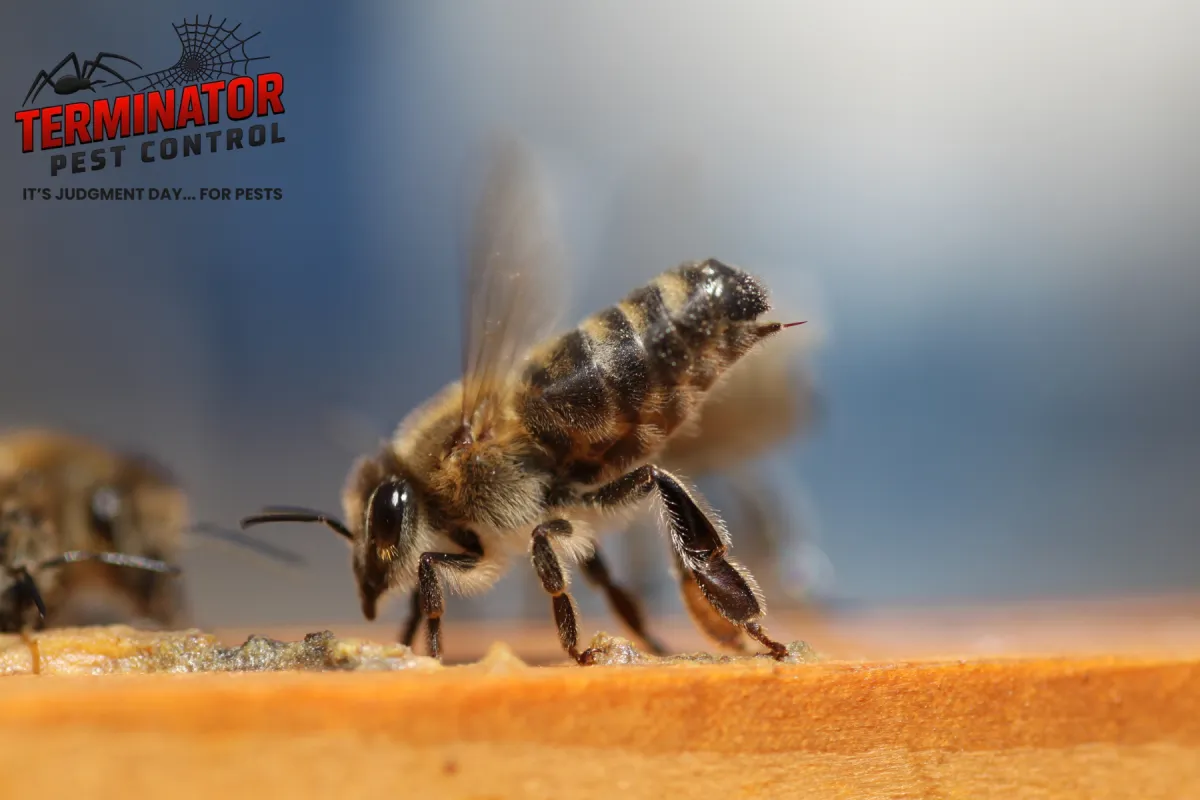
| Bees | Often fuzzy or hairy | Visiting flowers or traveling between food sources and a nest |
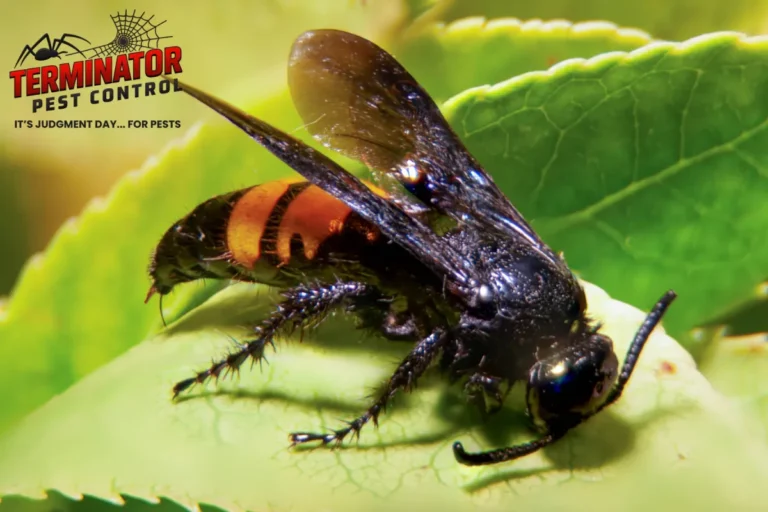
| Wasps | Usually have smoother bodies | Searching for food or traveling near a nest |
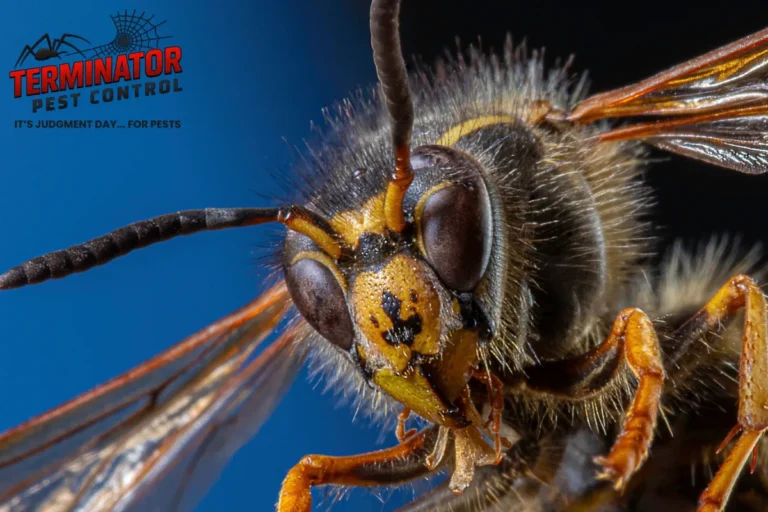
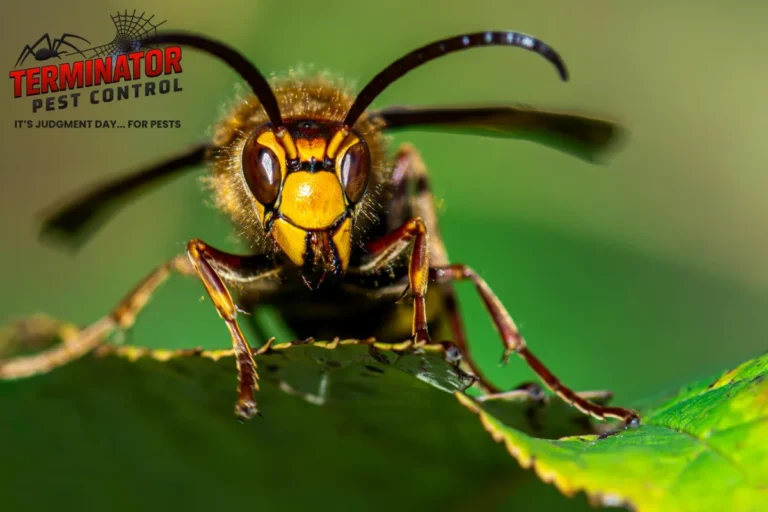
| Hornets | A type of wasp, often larger than many common wasps | Moving between a nest and nearby food sources |
Appearance alone may not be enough to identify an insect, especially when it is moving quickly or viewed through glass. Avoid approaching active insects to get a closer look.
Many stinging insects play a useful role in the environment. Bees are important pollinators, so their presence near a window or door does not necessarily mean they need to be removed.
How Can You Tell Why Insects Keep Visiting One Opening?
You can learn more by observing their activity from a safe distance. There is no need to approach the insects or try to locate a suspected nest yourself.
Six Steps to Observe Insect Activity Safely
- Notice when activity occurs. Record whether insects appear at certain times of day or when food is served outdoors.
- Watch their movement from a safe distance. Notice whether they approach the glass, gather near a door frame, or travel toward a roofline.
- Check for food sources. Consider whether uncovered drinks, ripe fruit, food scraps, or trash may be attracting wasps.
- Look at nearby plants. Flowers close to a window may explain why bees visit the area.
- Note repeated entry through a gap. Several insects entering and leaving the same opening may suggest nearby nesting activity.
- Share your observations with a professional. Describe the location and pattern instead of trying to reach the opening or disturb a nest.
For property owners in Stoughton, noting whether insects are hitting the glass or entering an exterior gap can help explain the concern when arranging an inspection. These observations are useful clues, but they cannot confirm the exact location of a nest.
Could a Nearby Nest Be Causing the Repeated Activity?
Yes, a nearby nest may explain why wasps or hornets repeatedly gather around a window or door. However, repeated sightings alone do not prove that a nest is present.
Signs That May Suggest a Nest Is Nearby
- Several insects repeatedly enter and leave the same exterior gap.
- Activity remains concentrated around one section of siding, a roofline, or a door frame.
- Multiple insects follow a similar route throughout the day.
- Activity continues after obvious food attractants have been removed.
These signs may warrant further assessment, particularly when insects enter a wall gap or sheltered space. Do not block the opening or climb to inspect it. Disturbing an active nest can increase the risk of stings.
Food Attraction vs. Possible Nesting Activity
| Observation | Possible explanation |
| Wasps gather around an uncovered sweet drink | Food attraction |
| Bees visit flowers beside a window | Searching for nectar or pollen |
| Hornets repeatedly enter the same wall gap | Possible nesting activity |
| One insect repeatedly approaches reflective glass | Reflection or light may be a factor |
| Several insects travel between an opening and nearby areas | A nearby nest may be present |
These observations are clues rather than definite answers. More than one factor may contribute to insect activity around the same opening.
What Should You Do When Stinging Insects Keep Flying Into Your Home?
Start with practical steps that reduce unwanted contact without disturbing the insects.
- Keep windows and doors closed when practical. Repair torn screens and damaged seals to reduce the chance of insects entering.
- Remove food attractants. Cover outdoor food and drinks, clean spills, and keep trash containers closed.
- Avoid swatting at insects. Sudden movements near a nest can increase the risk of being stung.
- Do not seal a suspected nest entrance. Blocking an active opening may disturb the insects.
- Keep children and pets away. Use another entrance if insects are gathering near a frequently used door.
- Seek professional advice if activity continues. Repeated entry through the same opening may require further assessment.
If you suspect honey bees are nesting inside a structure, ask a professional about suitable options. Terminator Pest Control advises against killing honey bees or applying insecticide to them and notes that local beekeepers may be able to help relocate a colony. After relocation, the interior nest may still need to be removed to help prevent other insect activity and possible damage from rotting or leaking honey.
What Risks Can Stinging Insects Pose Around Windows and Doors?
The main concern is the risk of stings, especially when insects are disturbed or a nest is close to a busy entrance. Stings can cause pain and swelling, and some people may experience severe allergic reactions that require immediate medical care.
Nesting activity can also affect parts of a building. Terminator Pest Control notes that some stinging insects may block air intakes and ventilation systems after becoming established.
If you suspect a nest near a window, door, or building opening, avoid reaching inside to investigate. Anyone experiencing signs of a severe allergic reaction after a sting should seek emergency medical care.
Myth vs. Fact: Does an Insect Hitting a Window Mean There Is a Nest Inside?
Myth: If a wasp or hornet keeps hitting a window, it must be trying to enter the house or has built a nest inside the wall.
Fact: The insect may be responding to reflections, light, food odors, or a regular flight path. Repeatedly entering a specific exterior gap may suggest nesting activity, but it does not confirm a nest.
Pay attention to what the insects do rather than assuming the cause from one behavior. An insect approaching glass is different from several insects repeatedly entering and leaving the same opening.
Understanding Common Factors Behind Insect Activity
These terms help explain why insects may return to the same area.
Reflections: Images of the sky, plants, or surroundings that appear on glass and may confuse some flying insects.
Food attractants: Drinks, ripe fruit, food scraps, and waste that may draw certain wasps toward a property.
Nesting site: A place where an insect or colony builds or maintains a nest.
Entry point: A gap or opening insects use to enter a building or sheltered area.
Flight path: A route insects repeatedly follow while moving between their nest, food, and other resources.
Understanding these factors can help property owners describe what they have observed. For those seeking pest control in Stoughton, WI, recognizing these patterns can also help explain the problem to a professional. It prevents a common mistake: assuming every insect near a window is evidence of an infestation.
Applying Our “Expert Technicians Provide Fast, Reliable Solutions” Approach
At Terminator Pest Control, “expert technicians provide fast, reliable solutions” means identifying the stinging insect, assessing the activity, and recommending a suitable control method. Rather than treating every sighting as the same problem, the company considers the insect species and the conditions around the property.
Identify the Insect Species
Bees, wasps, and hornets differ in appearance and behavior. Identifying the insect helps guide the next steps, especially when honey bees may be involved. Terminator Pest Control’s service information covers these common stinging insects and explains why identifying the species matters.
Assess the Situation
The location and pattern of activity help guide the assessment. Insects repeatedly entering a gap may raise different concerns from bees visiting flowers or a wasp approaching an outdoor drink. When considering Stoughton pest control, these observations can help explain the problem to a professional, but they do not always reveal the location of a nest.
Recommend an Appropriate Control Method
After assessing the situation, Terminator Pest Control recommends a method of control suited to the concern. The company also notes that exterior applications may help prevent stinging insects from establishing around a structure, particularly paper wasps. This is not a guarantee that all stinging insect activity will stop.
Explain the Process and Costs Clearly
Professional service also means explaining the inspection process and any applicable fees. Terminator Pest Control notes that an inspection fee may apply to stinging insect jobs because they can take extra time to inspect and price correctly. If the customer hires the company to complete the work, a portion of the inspection fee is credited back.
For homeowners comparing pest control in Stoughton, understanding how the company assesses the situation and explains its recommendations can help them decide on the next step.
People Also Ask
Why do wasps keep flying into my window?
Wasps may be attracted to reflections, light, food odors, or activity near a nest. If they repeatedly enter the same exterior gap, a nearby nesting site may warrant professional assessment.
Why do bees keep gathering around my door?
Bees may be visiting nearby flowers or traveling between food sources and a nest. Because bees are important pollinators, avoid harming them and seek advice if you suspect a colony is nesting inside your property.
Does repeated insect activity mean there is a nest in my wall?
Not necessarily. Insects may be attracted by food, flowers, or reflections. Repeated entry through one exterior gap may suggest nesting activity, but further assessment may be needed to determine the cause.
How can I stop stinging insects from entering through a window?
Keep screens in good repair, close windows when practical, and remove food attractants. If insects repeatedly enter through a gap in the wall or frame, have the area assessed before attempting to seal it.
Should I remove a wasp or hornet nest myself?
It is safer not to disturb an active nest. Approaching or treating a nest without suitable equipment and experience can increase the risk of stings. Contact a pest control professional for guidance.
When should I contact a pest control professional?
Consider professional help when insects repeatedly enter the same opening, you suspect a hidden nest, or activity continues after obvious food attractants have been removed. Seek emergency medical care if a sting causes signs of a severe allergic reaction.
Get Help With Repeated Stinging Insect Activity
Stinging insects may keep returning to a window or door because of reflections, nearby food, flowers, a regular flight path, or a possible nest. Terminator Pest Control can help identify the insect and assess the situation. Observing the pattern from a safe distance can help you explain the problem, but avoid disturbing any suspected nesting site.
Our company can identify the stinging insect, assess the situation, and recommend an appropriate next step. Contact us today to discuss your concerns. Ask about any inspection fee when scheduling.