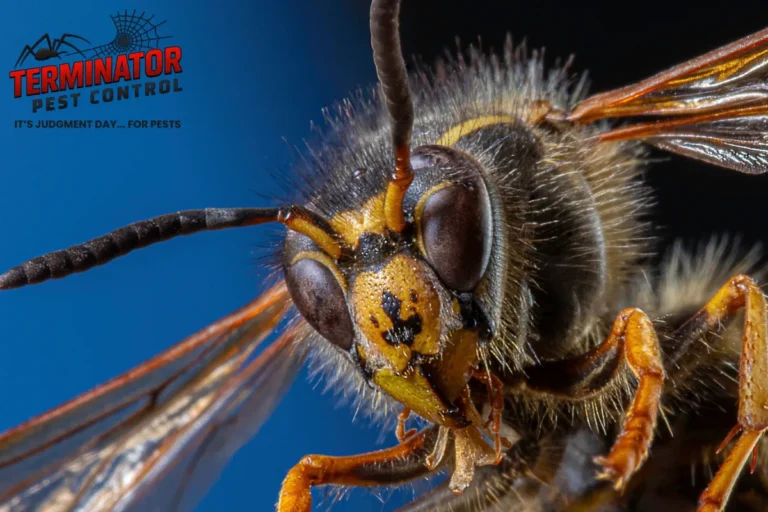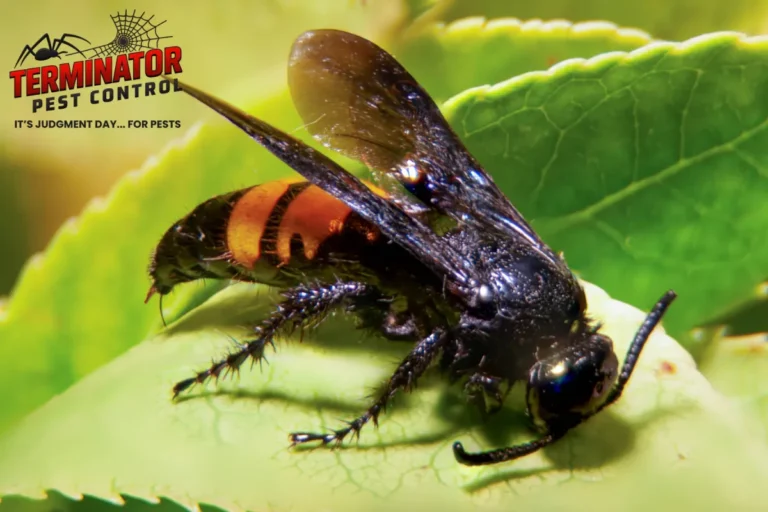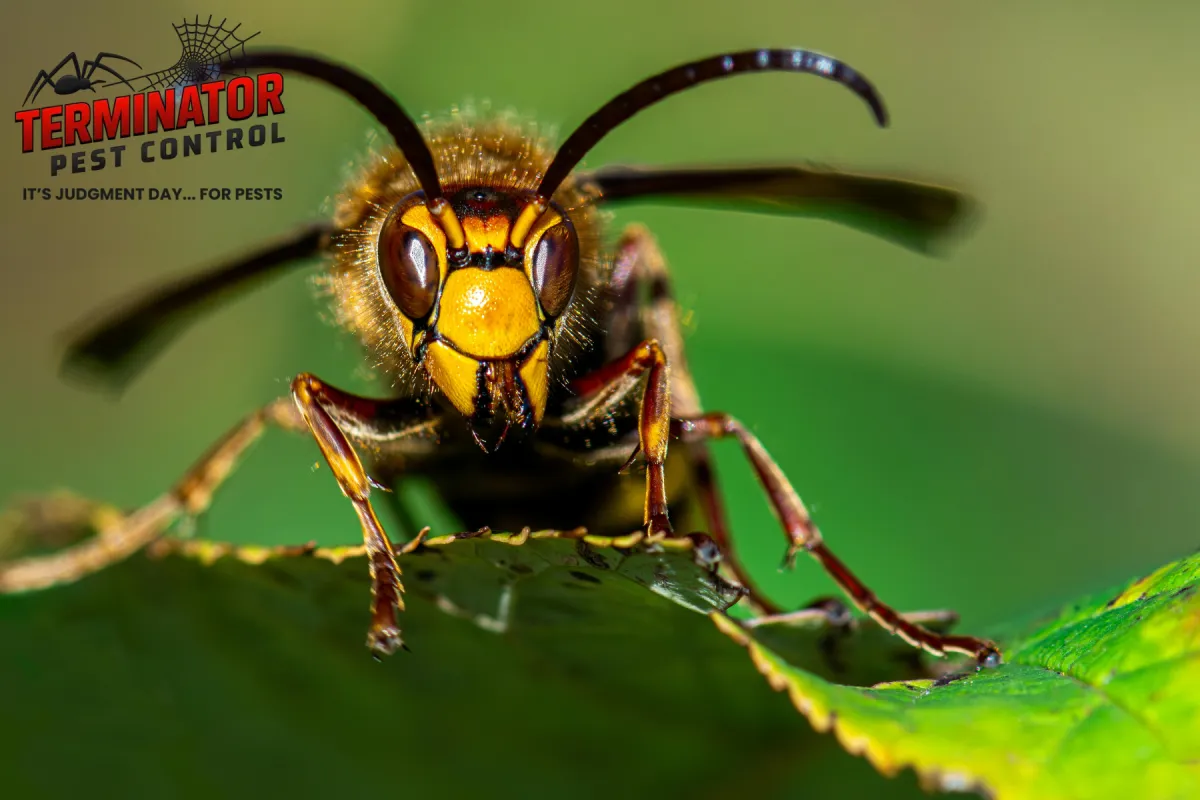

To find a hornet nest when you only see flying hornets, observe their flight patterns from a safe distance and note whether they repeatedly travel toward the same area. Hornets may enter openings near roof edges, trees, or wall gaps, but this activity does not confirm a nest. Avoid following them closely or disturbing a suspected nesting site.
What Are the Signs That Hornets Are Flying Back to a Nest?
Seeing hornets around your home does not always mean they are nesting on your property. They may be searching for food or traveling between different areas. However, repeated activity around one location can be a reason to investigate further from a safe distance.
1. Hornets Repeatedly Fly Toward the Same Location
If hornets keep flying toward the same section of your roof, a tree, or an exterior opening, a nest may be nearby. Look for a repeated pattern rather than relying on a single sighting.
Observe from a safe distance and do not follow individual insects. Hornets may also visit the same area while searching for food or water, so their flight path alone cannot confirm a nest.
2. Hornets Disappear Into a Small Opening
Hornets may enter sheltered spaces through gaps around siding, roof edges, soffits, or other exterior features. Repeatedly seeing them disappear into the same opening may indicate a possible nesting location.
Do not block the opening or move closer to investigate. The visible gap may not reveal the nest’s exact location, and disturbing the area could increase the risk of stings.
3. Several Hornets Follow a Similar Flight Path
Repeated movement along a similar route can help you identify an area of concern. You may notice hornets traveling toward a tree, circling a roofline, or disappearing behind an exterior feature.
Flight paths can be misleading, however. Hornets may travel between a nest and food sources, and weather conditions can affect their movement. Observe from a safe location instead of walking behind them.
4. Hornets Gather Around Trees, Rooflines, or Eaves
Some hornets build nests in trees or sheltered locations around buildings. Leaves, branches, and roof edges can hide nests from view, making them difficult to identify from the ground.
If hornets repeatedly gather around one part of a tree or building, keep your distance. Do not climb a ladder, move branches, or reach into a hidden space to look for a nest.
5. Hornets Gather Around Outdoor Food
Sweet drinks, ripe fruit, and exposed food can attract hornets. If they gather around a picnic table or outdoor dining area, they may be searching for food rather than returning directly to a nearby nest.
When safe, cover food, clean up spills, and secure rubbish. If hornets continue traveling toward the same location, avoid investigating the area yourself and consider seeking professional guidance.
Where Do Hornets Commonly Build Their Nests?
Nesting locations vary by species and the conditions around a property. Some nests may be visible, while others are hidden in sheltered spaces.
| Possible Nesting Location | What You May Notice | Recommended Action |
| Tree branches or dense foliage | Hornets repeatedly fly toward one part of a tree | Do not shake branches or reach into foliage |
| Roof edges and eaves | Hornets travel toward a sheltered area near the roofline | Do not climb a ladder to inspect it |
| Wall gaps or exterior openings | Hornets repeatedly enter and exit one opening | Do not seal the opening or open the wall |
| Sheds and outdoor structures | Hornets gather around a roofline, corner, or opening | Avoid entering or disturbing the area |
| Ground-level holes or cavities | Hornets appear near an opening in the soil | Do not dig, cover the hole, or pour anything into it |
Why Some Hornet Nests Are Hard to Find
Leaves, roof edges, and enclosed spaces can hide a nest. Hornets may also travel away from their nest while searching for food, so the place where you first see them may not be close to the nest itself.
For homeowners in Verona, repeated hornet sightings around a roofline, tree, or exterior gap can be a reason to seek Verona pest control professional guidance. You do not need to locate the nest yourself before asking for help.
How Can You Safely Track Hornet Activity?
You can learn more about hornet activity without approaching the insects or trying to inspect a nest. Focus on noticing patterns rather than tracking the insects at close range.
- Choose a safe observation point. Stay well away from the area where hornets are active.
- Look for repeated patterns. Notice whether hornets keep traveling toward the same general location.
- Watch for possible entry points. From a safe distance, note activity near roof edges, tree branches, wall gaps, or outdoor structures.
- Avoid following individual hornets. Do not walk behind them or move closer to see where they land.
- Keep children and pets away. Restrict access to areas where hornets are gathering.
- Leave suspected nests undisturbed. Do not cut branches, climb ladders, open walls, or block openings.
- Contact a pest control professional. Explain what you have observed so the situation can be assessed.
These observations can help you describe the problem when arranging pest control in Verona, even if you cannot identify the nest’s exact location.
How Can You Tell Hornets Apart From Wasps and Bees?
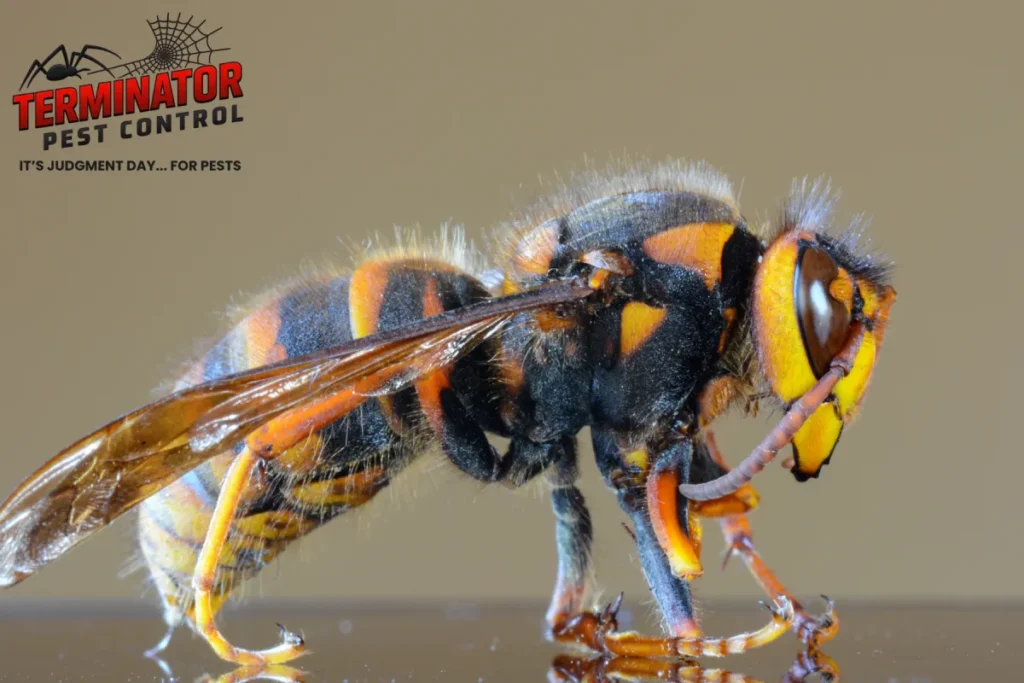
Hornets, wasps, and bees can all appear around homes and outdoor spaces. Their body shape may provide clues, but identifying an insect from a distance can be difficult.
- Hornets: Generally smooth-bodied, although their appearance varies by species. They may build nests in trees or sheltered locations.
- Wasps: Often smooth-bodied, with different body shapes and nesting habits depending on the species. Some build exposed paper nests beneath eaves.
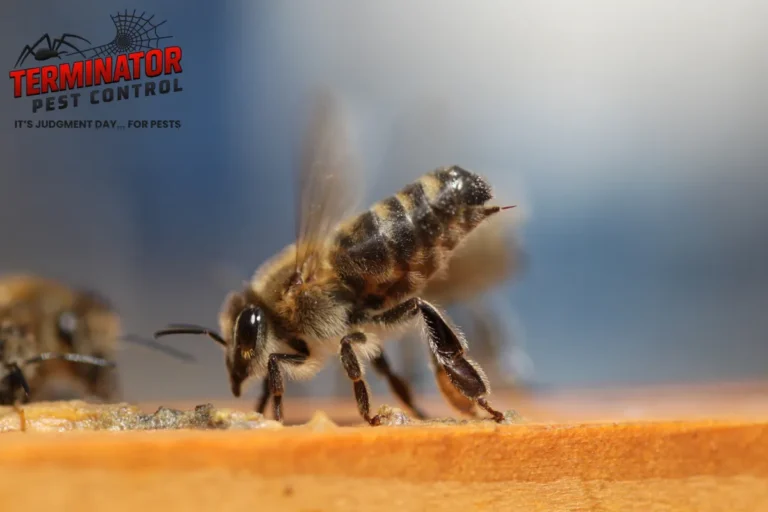
- Bees: Often have fuzzier or hairier bodies. Different bee species use different nesting locations, including cavities and soil.
Correct identification matters because different stinging insects may require different control methods. Terminator Pest Control handles common issues, including wasps, hornets, and bees, and recommends a response based on the species and nest location.
What Should You Avoid When Searching for a Hornet Nest?
Searching too closely can put you at risk of being stung. Avoid these common mistakes:
- Approaching the nest: Do not move closer just to get a better look or take a photo.
- Disturbing trees or shrubs: Shaking branches or trimming foliage near a suspected nest may provoke defensive behavior.
- Climbing ladders: Rooflines and eaves can be difficult to inspect safely when hornets are active.
- Sealing an opening: Blocking a gap does not confirm that a nest has been eliminated.
- Knocking down a nest: Attempting removal without proper training can expose you to stings.
- Applying products into an unknown cavity: You may not reach the nest, and the attempt could disturb the insects.
- Assuming the nest is gone: Fewer visible hornets do not prove that a nest has been removed or is no longer active.
If you suspect a nest but cannot locate it, seek professional guidance instead of continuing to search on your own.
Myth vs. Fact: Following One Hornet Will Lead You to Its Nest
Myth: Following a flying hornet closely will lead you straight to its nest.
Fact: Hornets travel for different reasons, including searching for food and returning to a nest. Following one insect may lead you to a food source or bring you too close to a nesting area without confirming the nest’s location.
A Safer Way to Understand Hornet Activity
Observe from a safe distance and look for repeated activity around one general location. Note whether hornets regularly disappear behind the same roof edge, enter a wall gap, or travel toward a particular part of a tree.
These observations may help a professional understand the concern, but they cannot always confirm where the nest is located. Leave closer inspection and control to a trained technician.
Applying Our “Expert Technicians Provide Fast, Reliable Solutions” Approach
At Terminator Pest Control, “expert technicians provide fast, reliable solutions” means identifying the likely stinging insect, assessing the reported activity, and recommending an appropriate response. The goal is to understand the situation before suggesting what should happen next.
Identifying the Insect and Assessing the Situation
Hornets, wasps, and bees have different nesting habits. Identifying the likely insect and considering where activity is concentrated helps guide the recommendation.
If hornets repeatedly fly toward a roofline, tree, or opening, share those observations when arranging service. You do not need to approach the suspected nest to provide useful information.
Recommending an Appropriate Control Method
The recommended response depends on the insect, the suspected nest location, and the conditions around the property. Terminator Pest Control assesses the situation and recommends a suitable control method instead of assuming one approach works for every case.
Homeowners comparing pest control in Verona, WI should look for a provider that explains its recommendations clearly and considers the specific problem. A visible flight path may offer a clue, but it does not always reveal the nest’s exact location.
Considering Exterior Applications and Prevention
Exterior applications may help prevent certain stinging insects from establishing around a structure, particularly paper wasps, when appropriate. However, an exterior application should not be treated as a guaranteed solution for every hornet nest.
The suspected nest and its location need to be considered when determining the next step. A professional assessment helps establish which response is appropriate for the situation.
Explaining Inspection Costs Before Work Begins
Terminator Pest Control notes that an inspection fee may apply to stinging insect jobs because these situations can take extra time to inspect and price correctly.
If you hire the company to complete the work, a portion of the inspection fee will be credited toward the job. Confirm the fee and credit details when scheduling your inspection.
People Also Ask: Finding a Hornet Nest
How Do I Find a Hornet Nest Without Seeing It?
Observe repeated hornet activity from a safe distance and note whether the insects repeatedly travel toward the same general area. This may help identify a possible nesting location, but it does not confirm where the nest is.
Where Do Hornets Usually Build Their Nests?
Nesting locations vary by species. Hornets may build nests in trees or sheltered areas around buildings. Avoid approaching suspected nests or climbing to inspect them.
Do Hornets Return to the Same Nest?
Hornets may repeatedly travel to and from an active nest. However, seeing them in one area does not automatically mean the nest is nearby, since they may also be searching for food.
Should I Follow a Hornet to Find Its Nest?
No. Following a hornet closely may bring you near a nest or lead you toward a food source instead. Observe general flight patterns from a safe distance.
What Should I Do If I Cannot Find the Hornet Nest?
Avoid disturbing areas where hornets are active. A pest control professional can assess the activity you have observed and recommend appropriate next steps.
Can I Remove a Hornet Nest Myself?
It is safer not to attempt removal yourself. Disturbing a nest may provoke defensive behavior, and nests in trees, rooflines, or enclosed spaces can be difficult to reach safely.
Get Professional Help With Suspected Hornet Nests
Repeated flight patterns and hornets entering the same opening may point to a possible nest, but they cannot always confirm its location. Terminator Pest Control can help assess the situation and recommend appropriate next steps. Keep your distance, avoid disturbing potential nesting sites, and keep children and pets away from areas where hornets are active.
Our team helps homeowners assess stinging insect concerns and understand the next steps. Contact us today to discuss your concerns. An inspection fee may apply, so ask about the details when scheduling.