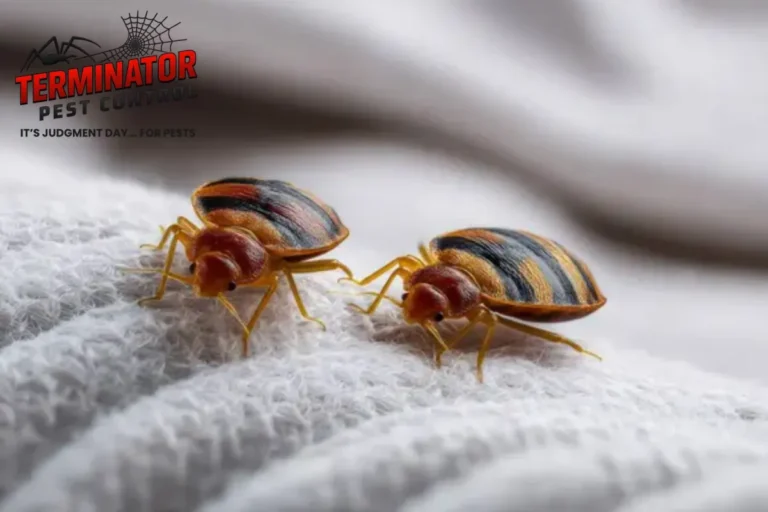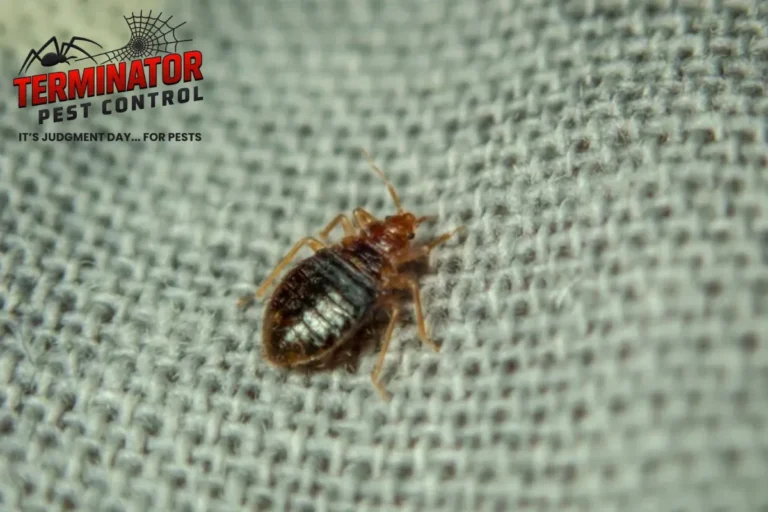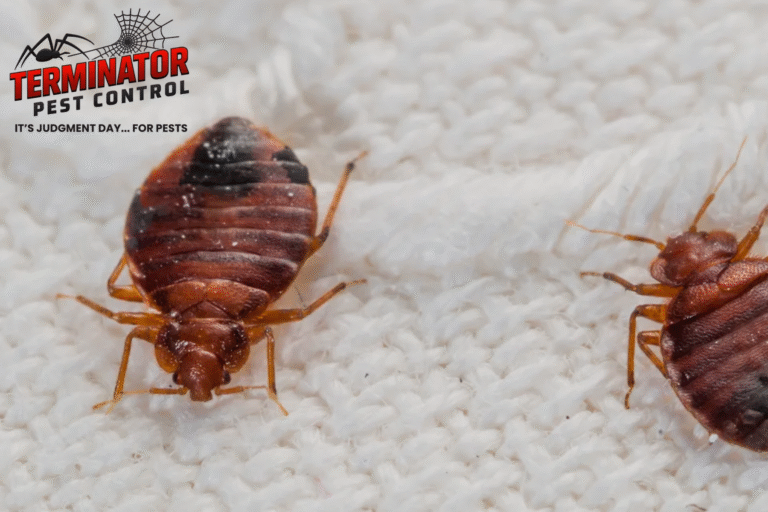

Before you unpack, pull back the sheets and check the mattress seams, headboard, and the corners of the box spring for small reddish-brown bugs, black dot-like stains, or tiny rust-colored spots. Keep your luggage on a hard surface like a luggage rack or the bathroom tile, never on the bed or carpet, until you’ve checked. This one habit is the single biggest thing that keeps a hotel bed bug problem from becoming a problem in your own house.
Why the Luggage Rack Matters More Than the Inspection
I know the checklist is what people want, and I’ll give it to you, but the single most effective habit is simpler than any inspection: keep your bags off the bed and off the carpet until you’ve had a look around. Bed bugs move by hitching a ride; they don’t fly or jump, so if your suitcase never touches an infested surface, your odds of bringing anything home drop enormously. Use the luggage rack, or set your bag in the bathtub, on tile, somewhere hard and away from soft furniture. If you do spot signs of bed bugs after a trip, an experienced exterminator in Madison, WI can help confirm the issue and recommend the right next steps.
The 5-Minute Room Check
Once your bag is parked somewhere safe, here’s the order I’d check in:
- Pull back the sheets and check the mattress seams, especially the corners, with a flashlight (your phone works fine).
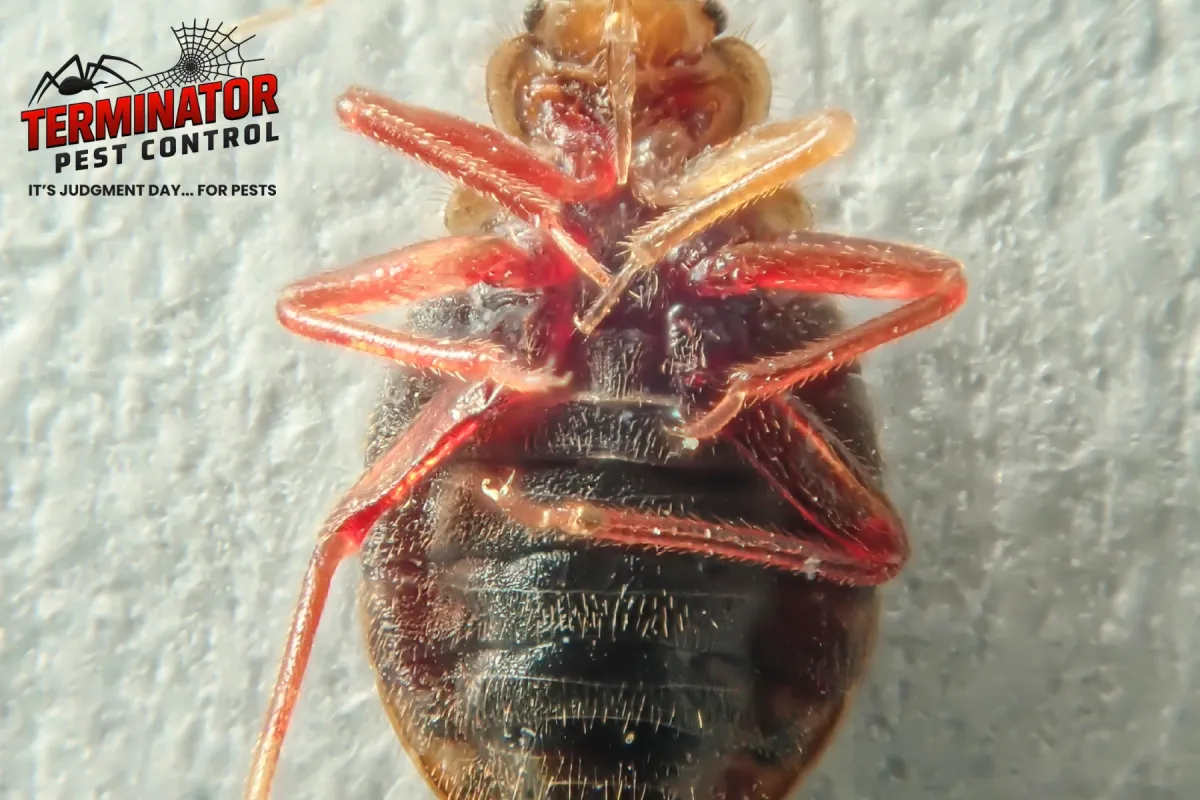
- Look for live bugs (reddish-brown, about the size and shape of an apple seed), or for the evidence they leave behind: small dark spots (dried blood or droppings) and tiny pale eggs or shed skins along the seam.
- Lift the corner of the mattress and check the box spring underneath, and the headboard if it’s mounted; bed bugs like tight, dark crevices near where you sleep.
- Check behind the headboard where it meets the wall, and along the piping/welting of any upholstered furniture nearby.
- If anything looks off, ask for a different room, and request one that isn’t directly next to or above the room you were in, since bed bugs travel along shared walls and plumbing.
What to Do When You Get Home
Even with a clean check, it’s smart to run a couple of extra precautions once you’re back. Unpack directly into the washer if possible, and run everything, including things that weren’t obviously worn, on the hottest setting the fabric allows, then a full dryer cycle. Heat is what actually kills bed bugs and their eggs; cold doesn’t do much. Inspect your suitcase itself in a well-lit area, especially the seams and zippers, before bringing it back into a closet. If you notice signs of bed bugs after returning home, professional pest control in Madison, WI can help identify the problem and determine the appropriate treatment.
Straight From the Truck: What I See Out Here
Most of the bed bug jobs we run aren’t from someone being careless; they’re from a hotel stay, a piece of used furniture, or a shared laundry room, places where you genuinely can’t control what happened before you got there. What I tell every customer is the same: the check takes five minutes, and it’s a lot less work than what happens if you skip it and end up needing a full heat treatment at home. We do bed bug heat treatment because it’s the method that actually reaches bed bugs and eggs hiding deep in seams and cracks, not just the ones you can see.

Frequently Asked Questions
What do bed bug bites look like?
Small, red, itchy welts, often in a line or cluster, usually on skin that was exposed while sleeping. Bites alone aren’t a reliable way to confirm bed bugs, since reactions vary a lot from person to person; physical evidence in the room is a better indicator.
Can hotel housekeeping staff tell if a room has bed bugs?
Not always. Bed bugs are good at hiding, and a room can look spotless and still have an active, low-level infestation. That’s exactly why a quick personal check is worth the five minutes.
Should I report it if I find bed bugs in a hotel room?
Yes. Tell the front desk immediately, ask for a room change (not an adjacent room), and document what you saw with photos if you can.
Do I need a heat treatment if I just suspect bed bugs, not confirmed?
Not necessarily; that’s exactly what an inspection is for. We can come out, confirm what’s actually going on, and recommend the right next step instead of jumping straight to treatment on a suspicion.
Where This Fits
This post complements Terminator Pest Control’s Bed Bug Heat Treatment page, which explains our whole-room approach for addressing confirmed infestations. Whether you’re inspecting a hotel room or bringing home a used piece of furniture, the same careful seam-and-crevice inspection can help you spot potential bed bug activity early.
Next Step
If you’ve already got a suspected bed bug problem at home, don’t wait it out. Contact us, and we’ll get an inspection scheduled.