

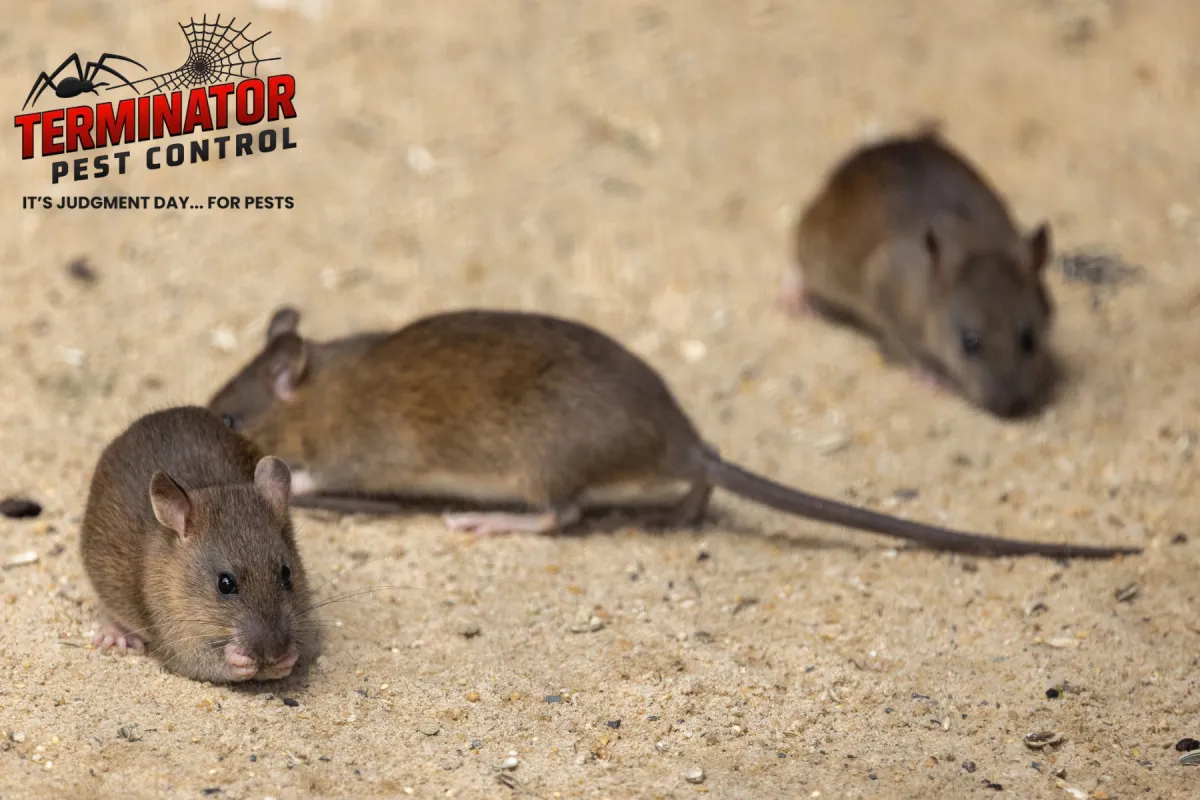

Mice enter homes by squeezing through structural gaps as small as a quarter-inch (6 mm), roughly the width of a standard pencil, due to their flexible skeletons and lack of rigid collarbones. The most common entry points include foundation cracks, unsealed utility pipe penetrations, gaps under exterior doors, brick weep holes, and damaged roof soffits or attic vents.
When autumn temperatures drop, or outdoor food sources dry up, rodents look for warm indoor spaces. Because of their flexible anatomy, mice can squeeze through gaps as small as a quarter-inch around foundations, rooflines, and doorways. Identifying these entry points is the first step toward securing your building envelope and keeping your living space clean and pest-free.
5 Most Common Mouse Entry Points in Residential Structures
Mice use their keen sense of touch and flexible bodies to navigate exterior walls and exploit structural gaps. Here are the five primary access points rodents use to breach a building’s perimeter:
1. Foundation Cracks & Brick Weep Holes
As buildings age and settle, hairline cracks open along concrete foundations and mortar lines. Additionally, brick veneer walls feature built-in weep holes near ground level to allow trapped moisture to escape. While vital for ventilation, open weep holes act as open highways directly into interior wall voids.
During a recent home inspection for a client in Pardeeville, our team found unsealed brick weep holes along the rear patio that allowed rodents into the wall cavities and straight up into the kitchen cabinets.
2. Door Thresholds & Garage Door Seals
Exterior doors and garage doors are prime ground-level entry points. Over time, rubber weatherstripping cracks, wooden door frames rot, and garage door bottom seals warp. If light passes under an exterior door, a rodent can easily slide underneath without needing to chew.
3. Exterior Utility & Pipe Penetrations
Plumbing pipes, electrical conduits, gas lines, and HVAC refrigerant lines pass through exterior walls to connect with indoor equipment. Builders often drill holes larger than the pipe itself and seal them with low-grade caulk that degrades over time, leaving open gaps right into utility rooms and basements.
4. Rooflines, Soffits, & Attic Vents
Mice are agile climbers. They run up downspouts, scale textured masonry walls, or jump from overhanging tree branches onto roofs. Once on the roof, they squeeze past unbacked ridge vents, rotted fascia boards, or loose soffit panels to establish nests inside warm attic insulation.
5. Dryer Vents & Basement Windows
Dryer exhaust vents feature plastic flaps designed to vent warm air, but lint buildup often keeps these flaps propped open. Unscreened vent hoods, rotted basement window frames, and unsealed window wells provide direct access to warm laundry rooms and sub-level spaces.
Structural Vulnerabilities vs. Exclusion Solutions
Selecting the correct chew-proof materials to seal gaps is necessary to permanently keep rodents out.
Comparison Table: Entry Point Profiles and Recommended Exclusion Materials
| Entry Location | Typical Gap Size Required | Structural Vulnerability Level | Recommended Exclusion Material |
| Brick Weep Holes | 3/8″ to 1/2″ wide | High (Direct wall void access) | Stainless steel weep hole covers or copper mesh |
| Utility Pipe Entries | 1/4″ to 2″ gap | High (Direct utility conduit) | Heavy-gauge steel wool with polyurethane foam overlay |
| Door Corner Thresholds | 1/4″ or larger gap | Extreme (High ground traffic) | Heavy-duty nylon brush sweeps and metal kick plates |
| Roof & Soffit Vents | Variable gaps | Moderate-High (Attic access) | 1/4-inch hardware cloth (galvanized steel wire) |
| Foundation Cracks | 1/4″ fissure | Extreme (Ground level entry) | Hydraulic concrete patch or elastomeric masonry sealant |
Choosing chew-proof exclusion materials ensures long-term protection. Property owners seeking reliable pest control in Pardeeville, WI find that physical exclusion saves money compared to placing temporary indoor traps.
Key Specifications & Technical Definitions
Flexible Skeleton
The biological feature allowing small rodents to flatten their ribcage and squeeze through any opening that accommodates their rigid skull (approximately 1/4 inch or 6–7 mm).
Thigmotaxis
The behavioral trait where nocturnal rodents navigate along walls and perimeters using their sensitive whiskers (vibrissae) to maintain constant physical contact with solid surfaces.
Sebum (Grease Rub Marks)
Dark, oily stains left along baseboards, foundation ledges, and entry holes caused by natural body oils and dirt rubbing off a rodent’s fur during repeated travel.
Hardware Cloth (1/4-Inch Mesh)
A heavy-duty, galvanized or stainless steel woven wire screen designed to permanently block rodent entry while preserving necessary airflow through attic and foundation vents.
Pheromone Trails
Chemical scent markers left behind in rodent urine and droppings that guide other pests along established travel paths into your home.
Applying Our Specialized Service Framework to Solve This
At Terminator Pest Control, we solve rodent issues at the source rather than relying on short-term traps. Our family-owned team uses a structured protocol to secure your home:
- Structural Auditing: We thoroughly inspect your home or building for points of entry, checking foundation walls, rooflines, and utility penetrations.
- Sanitation Assessment: We help identify contributing sanitation concerns, such as unsealed pet food containers, open trash bins, or outdoor bird feeders that attract pests.
- Physical Exclusion: We perform durable rodent proofing using steel mesh, metal flashing, and heavy-duty sealants that teeth cannot chew through.
- Health & Safety Cleanup: We handle the safe sanitation and removal of rodent feces from attics, basements, and crawl spaces to eliminate hazardous bacteria and odor trails.
- Long-Term Monitoring: We enroll your property in a customized mouse management and control program to ensure ongoing protection and peace of mind.
When delivering pest control in Pardeeville, our technicians walk you through every step of the process so you know your home is completely protected.
Debunking the Industry Myth: “Mice Only Enter Dirty Homes”
A common industry myth is that rodents only target dirty or cluttered houses with unwashed dishes and messy kitchens. Homeowners with spotless houses often feel immune to rodent infestations or feel embarrassed when they spot a mouse indoors.
In reality, rodents enter buildings primarily seeking warmth, shelter, and water during seasonal weather changes, regardless of interior cleanliness. A spotless home offers the same shelter from cold weather as an unkempt house. While accessible food crumbs help sustain a nest once inside, micro-gaps in your building’s exterior are what allow pests to enter in the first place.
Homeowners should know that a rodent intrusion is a structural issue, not a housekeeping failure. Pardeeville pest control professionals focus on physical exclusion methods that keep pests out permanently.
People Also Ask
Q: Can mice chew through standard spray foam insulation?
A: Yes. Standard expanding polyurethane spray foam can easily be gnawed through by rodents in minutes. To effectively block entry points, expanding foam must be reinforced with coarse steel wool, copper mesh, or heavy-duty metal hardware cloth.
Q: What time of year are rodents most likely to get into homes?
A: Intrusions peak in late autumn and early winter as dropping outdoor temperatures and scarce wild food sources compel pests to seek warm indoor shelters.
Q: How can I tell where rodents are getting into my house?
A: Look for dark oily grease marks (sebum) along foundation edges, small oval droppings near gaps, shredded insulation, or distinct gnaw marks around door frames, utility pipes, and basement vents.
Q: Why should I hire professionals for pest control instead of setting my own traps?
A: Setting traps only catches the rodents currently inside your living areas; it does not stop new ones from entering through open foundation gaps. Professional pest control identifies and seals hidden exterior entry points, cleans hazardous waste, and provides a long-term strategy to prevent future invasions.
Secure Your Home Against Rodent Intrusions Today
Relying solely on indoor snap traps will never permanently fix a rodent problem if exterior entry points remain wide open. Inspecting your foundation, sealing utility gaps, and reinforcing door thresholds with chew-proof materials is the most reliable way to keep your home safe.
At Terminator Pest Control, we deliver total peace of mind through friendly, transparent, and effective service. Whether you need immediate help with an active infestation or want long-term protection through our Gold or Platinum Pest Protection Plans, our experienced technicians treat every home with care.
Hearing scratching in your walls or suspecting a rodent entry point? Contact us today to schedule your home inspection!