
Bed bugs have become a persistent challenge in Toronto, affecting residents, businesses, and travelers alike. If you’re worried about bed bugs or already dealing with an infestation, you might be asking:
- Why are bed bugs still such a big problem in Toronto?
- How can I stop them from entering my home or business?
- What treatments actually work in 2024?
In this comprehensive guide, we’ll break down Toronto’s bed bug problem, explain what’s driving the resurgence, share prevention strategies, and walk through real-world solutions, including professional bed bug control methods and a powerful success story from a homeowner who struggled with bed bugs for years before finally getting relief.
The History of Bed Bug Infestations in Toronto
Bed bugs have a long and well-documented history in Toronto. Understanding where we’ve come from helps explain why they’re still such a big issue in 2024.
Bed Bug Infestation Rates: A Historical Perspective
In the mid-20th century, bed bug infestations in Toronto and across much of North America and Europe were at an all-time low. Better sanitation, more rigorous building standards, and strong pesticides like DDT reduced bed bug populations to almost nothing.
However, things began to change in the late 20th century and into the 21st:
- Increased international travel
- Pesticide resistance
- Used furniture and mattresses are spreading unnoticed infestations
- High-density housing
All of these worked together to help bed bugs make a comeback.
Toronto’s Bed Bug Resurgence
As Ontario’s largest city and a major international hub, Toronto saw a sharp rise in bed bug reports. Toronto Public Health has reported:
- Just over 100 cases in 2003
- More than 1,000 cases by 2010
- Tens of thousands of reports today
The numbers reflect a clear reality – bed bugs are now a routine concern for Toronto residents and property managers.
Provincial Perspective: Ontario’s Experience
The resurgence isn’t confined to Toronto. Across Ontario, bed bug reports have climbed dramatically.
From 2005 to 2015, data from the Ontario Bed Bug Project showed a staggering increase in reported bed bug cases across municipalities. This growth highlights the widespread nature of the problem and the ongoing need for effective prevention and control strategies.
Recent Trends in 2024
As we move through 2024, bed bugs remain firmly established in Toronto and across Ontario. While public awareness and professional treatment options have improved, bed bugs continue to adapt and thrive in urban environments.
Travel-Related Bed Bug Risks
Travel is one of the most common ways bed bugs spread between cities and even countries.
Recognizing Common Signs While Traveling
Before we talk about where you might encounter bed bugs, it’s important to recognize the basic warning signs:
- Visible Bed Bugs
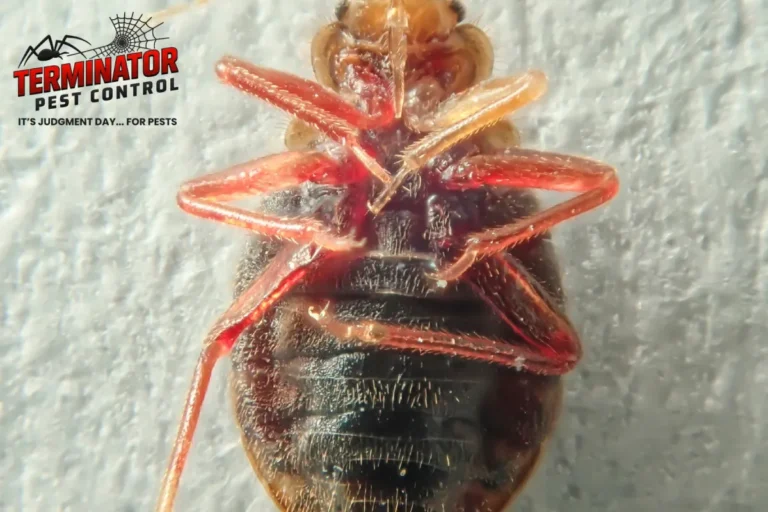
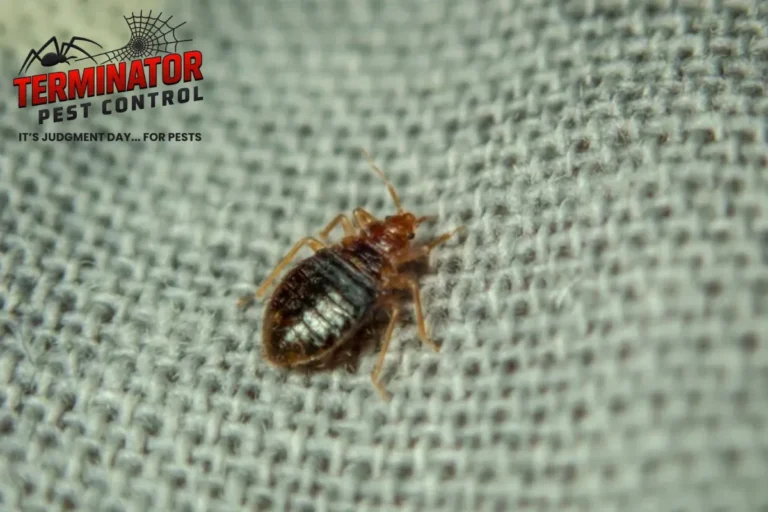
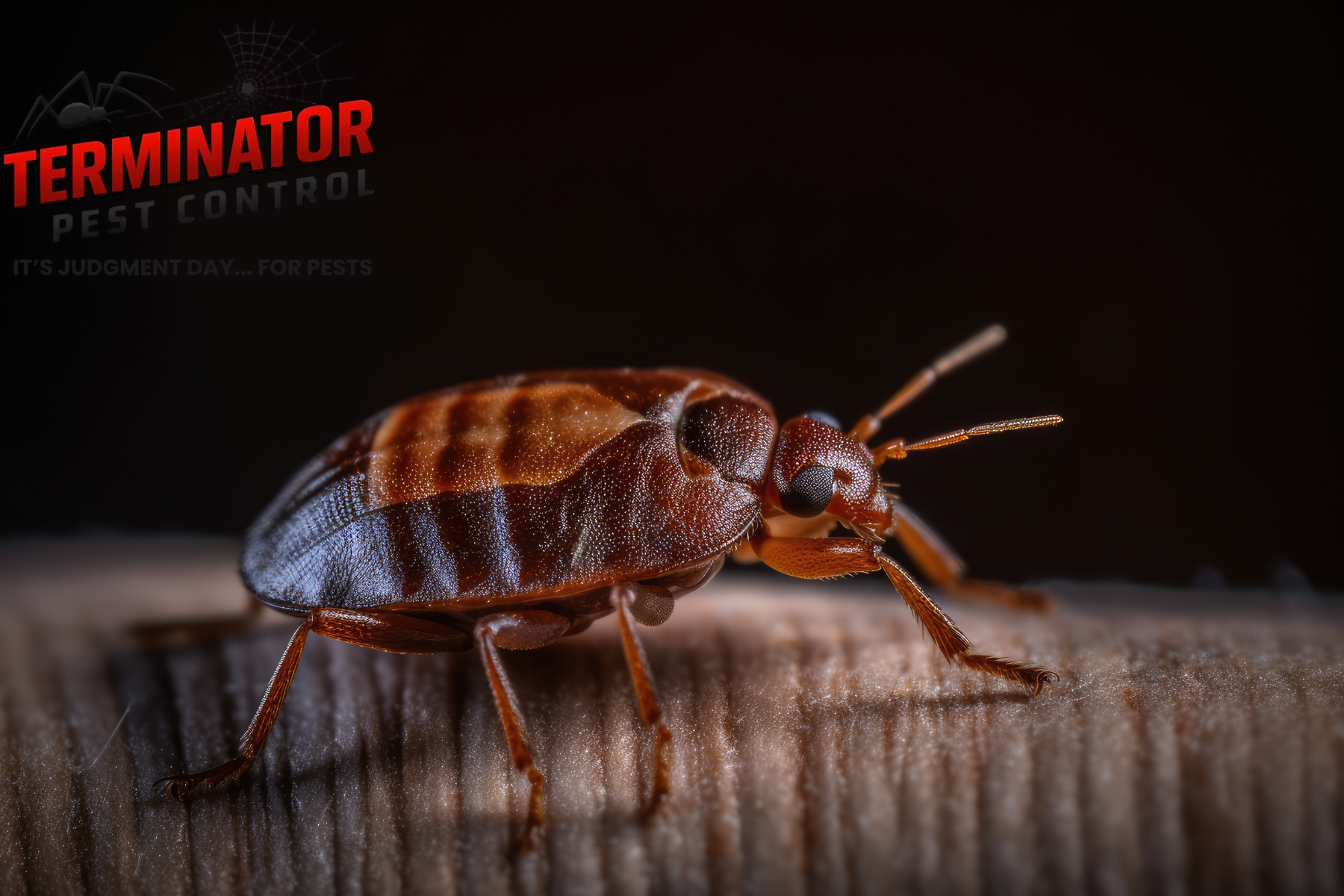
Adult bed bugs are small, reddish-brown, and oval-shaped. They hide in mattress seams, bed frames, headboards, and furniture crevices. - Bite Marks
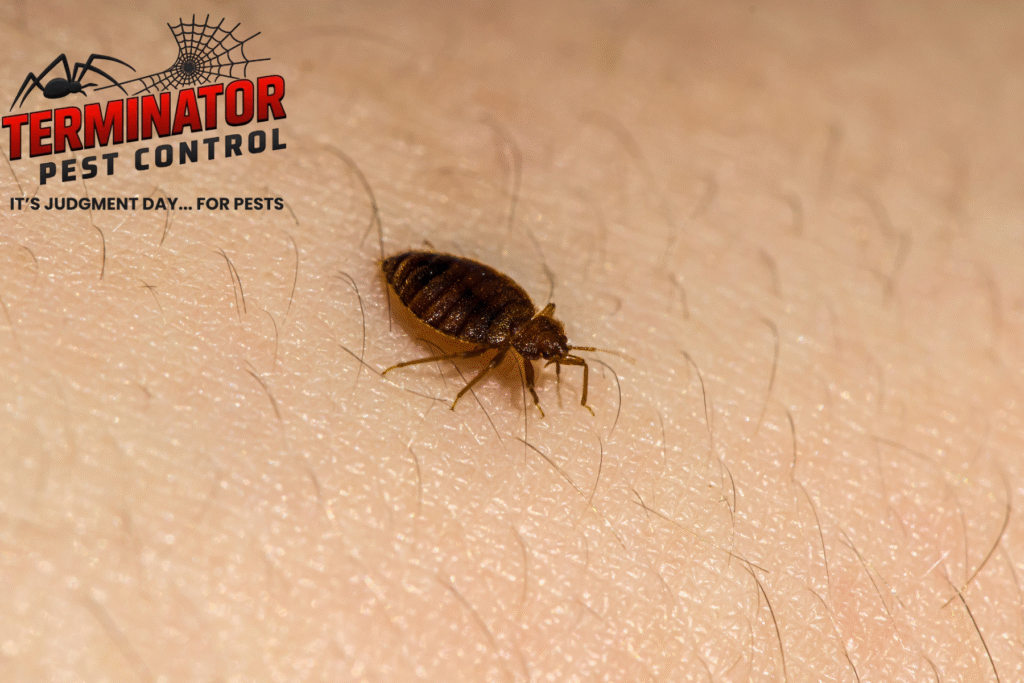
Bites often appear as small, itchy red welts, sometimes in lines or clusters. However, bites alone are not enough to confirm bed bugs, since other insects can cause similar reactions. - Blood Stains and Fecal Spots
Tiny rusty or dark spots on sheets, pillowcases, and mattress seams can signal bed bug activity. - Casings (Shed Skins)
As bed bugs grow, they shed their outer skins. These shed casings are often found near their hiding spots.
Bed Bugs in Hotel Rooms
Hotels, motels, hostels, and short-term rentals are common sources of bed bug exposure, especially in busy cities or tourist hubs.
To reduce your risk:
- Inspect the bed, mattress seams, and headboard on arrival
- Check nearby furniture and baseboards
- Store luggage on racks, not on the bed or floor
- Avoid placing clothing on upholstered furniture
- Wash and dry travel clothing on high heat after returning home
Bed Bugs in Transportation
While less common, bed bugs can occasionally be found in:
- Airplane seats
- Buses and trains
- Rideshares and taxis
They can hide in seat seams and fabric folds.
To lower the risk:
- Take a quick look at the seats before sitting
- Keep bags zipped and off the floor when possible
- Avoid placing jackets or sweaters directly on fabric seats for long periods
Protecting Your Luggage and Personal Belongings
Because bed bugs are excellent hitchhikers, treating your luggage carefully is crucial:
- Inspect luggage seams and pockets after a trip
- Consider hard-sided luggage, which has fewer hiding places
- Use protective encasements or luggage liners when possible
- Wash and dry travel clothing on high heat as soon as you get home
Countries With Notable Bed Bug Infestations
Bed bugs are truly a global issue. Some countries and cities have gained particular attention due to high infestation rates:
- United States – Widespread bed bug issues in major cities; most pest professionals report treating bed bug cases annually.
- Canada – Cities like Toronto and Vancouver regularly rank high on bed bug lists compiled by major pest control companies.
- United Kingdom – Reports show steadily increasing inquiries about bed bugs.
- Australia – Cities such as Sydney and Melbourne have seen rising activity.
- India – Urban centers are dealing with growing bed bug challenges.
- France – High-profile infestations in public transit, hotels, and cinemas have made headlines.
- Thailand – Popular tourist areas, especially budget accommodations, are frequently affected.
How Bed Bugs Spread Internationally
International travel helps bed bugs move across borders:
- Infested accommodations (hotels, hostels, rentals)
- Public transportation
- Second-hand furniture and mattresses
- Luggage, backpacks, and clothing
- Close contact with individuals who have unknowingly encountered bed bugs
By staying alert and practicing good travel habits, you can significantly reduce your risk.
Toronto’s Bed Bug Problem in 2024: Key Causes and Impact
Understanding the Causes
Toronto’s ongoing bed bug problem in 2024 is driven by several overlapping factors:
- High population density – Close living quarters in condos and apartments make spread easier.
- Increased travel – Toronto’s role as a major travel hub means constant movement of people and luggage.
- Multifamily housing – Bed bugs can travel between units through walls, electrical outlets, and shared pipes.
- Limited early detection – Many residents don’t recognize early warning signs, allowing infestations to grow.
Impact on Residents and Businesses
Bed bugs cause:
- Loss of sleep and stress
- Itchy bites and allergic reactions in some people
- Financial costs for treatment and replacement of belongings
- Reputation damage for landlords, hotels, and businesses
Preventing Bed Bug Infestations in Toronto
Education and Awareness
Education is one of the most effective tools against bed bugs:
- Learn what bed bugs look like and where they hide
- Know the early signs and act quickly if you suspect activity
- Report suspected infestations to landlords, property managers, or pest control professionals
Regular Inspections
Routine inspections can stop small problems from becoming severe:
- Check mattress seams, headboards, and bed frames regularly
- Inspect any second-hand furniture before bringing it into your home
- For multi-unit buildings, consider scheduled inspections of common areas and high-risk units
Travel Precautions
When traveling:
- Inspect sleeping areas in hotels or rentals
- Keep bags off the bed and floor
- Isolate and launder travel clothing on high heat as soon as you return
Multifamily Housing Strategies
For condos, apartments, and other multifamily residences:
- Establish clear reporting procedures
- Encourage early reporting without blame or stigma
- Use building-wide strategies when bed bugs are discovered treating one unit alone is rarely enough
Real Toronto Example: Bed Bug Treatment in a City Apartment
A Toronto resident in a mid-rise building began noticing bite marks and small dark spots on bedsheets. After investigating, she found small bugs around the mattress seams and baseboards.
What made this case tricky:
- Bed bugs had spread from a neighboring unit
- The resident had recently acquired a used couch that turned out to be infested
- The building didn’t have a coordinated treatment plan
Steps taken:
- A professional inspection confirmed the presence of bed bugs in two adjacent units.
- Heat treatment was applied throughout both apartments.
- Mattress encasements and interceptors were installed.
- Follow-up visits confirmed the infestation had been fully eliminated.
This example highlights the importance of building-wide cooperation and professional help when dealing with bed bugs in multi-unit buildings.
Why Professional Help Matters: In Toronto and Beyond
Whether you’re dealing with bed bugs in a downtown Toronto condo or seeking an exterminator Fitchburg WI because DIY methods have failed, the principles are the same:
- Proper inspection
- Correct identification
- A tailored treatment plan
- Follow-up visits to ensure the infestation is fully gone
Professional pest control teams see hundreds of cases, understand bed bug behavior in different types of buildings, and know which methods work best in each situation.
Companies like Terminator have helped many families and property owners with Fitchburg pest control for bed bugs and other pests, using structured treatment schedules and clear communication so people know what to expect at every step.
Routine Inspections: A Vital Step in Bed Bug Prevention
Regular inspections are among the most effective tools for preventing bed bugs from becoming a major problem.
Self-Inspections
- Periodically inspect bedrooms, living room furniture, and guest rooms.
- Look for dark spots, shed skins, and live bugs around seams and cracks.
- Check second-hand items carefully before bringing them inside.
Professional K9 Inspection Services
Specially trained bed bug detection dogs can:
- Locate early-stage infestations that humans might miss
- Quickly scan multiple units in multi-family buildings
- Help confirm whether a treatment has been fully successful
Regular inspections – both self-checks and professional visits when needed help keep homes and buildings bed bug-free.
Additional Bed Bug Resources in Toronto
If you’re in Toronto and need more support:
- Toronto Public Health – Offers guidance, fact sheets, and prevention tips.
- Local pest control companies – Provide bed bug inspections, heat treatments, and ongoing monitoring programs.
- Landlord and Tenant Board of Ontario – Outlines the rights and responsibilities of landlords and tenants regarding pest issues.
Frequently Asked Questions from Toronto Residents
Do bed bugs spread between apartments?
Yes. Bed bugs can travel between units through walls, electrical outlets, plumbing, and shared hallways.
Are bed bug bites dangerous?
They are not known to transmit disease, but can cause allergic reactions, anxiety, and loss of sleep.
Can I get rid of bed bugs myself?
DIY methods rarely eliminate an entire infestation, especially in multi-unit buildings. Professional treatment is strongly recommended.
How much does professional treatment cost?
Costs vary depending on infestation size, treatment type (chemical vs. heat), and property size, but early detection almost always reduces the total cost.
Real Success Story: From Years of Struggle to a Bed Bug-Free Home
While this guide focuses on Toronto, bed bug problems are similar in cities and towns across North America. One powerful example comes from a homeowner who had been battling bed bugs for years before finally reaching out for professional help.
“I had a bed bug problem in two houses. Had Kyle from Terminator come out, made arrangements to spray both houses two times. After the second spray I still saw a couple, but now it has been bed bug free for a month. I would highly recommend them. They came on time and did a great job. Very friendly too. I tried unsuccessfully for three years to get rid of them myself – nothing worked.”
– Dennis Bemis
This story is exactly what many homeowners experience:
- DIY attempts over several years that only control, but never fully eliminate, the problem
- Frustration and stress from recurring bites and sightings
- Relief once a professional exterminator applies a structured treatment plan, with follow-up
For homeowners looking online for pest control Fitchburg WI, this kind of thorough, friendly, and timely service is exactly what a true professional should provide.
Conclusion: Taking Control of Bed Bugs in 2024
Toronto’s bed bug problem is real, but it’s manageable with the right combination of:
- Early detection
- Smart travel and home habits
- Clear communication in multi-unit buildings
- Professional assessment and treatment
Whether you’re a Toronto resident dealing with an active infestation or a homeowner who has tried everything and is ready to call in a professional like Dennis, you don’t have to live with bed bugs forever.
If you suspect bed bugs:
- Confirm the signs.
- Avoid moving items between rooms.
- Contact a qualified pest control company for an inspection and treatment plan.
With informed prevention, prompt action, and professional support from Terminator Pest Control, you can move from frustration to relief and keep your home or building bed bug-smart in 2024 and beyond.
Don’t wait for bed bugs to spread.
Book your professional inspection now and get fast, reliable bed bug control you can count on. Early treatment saves time, money, and stress, and starts with a simple call today.